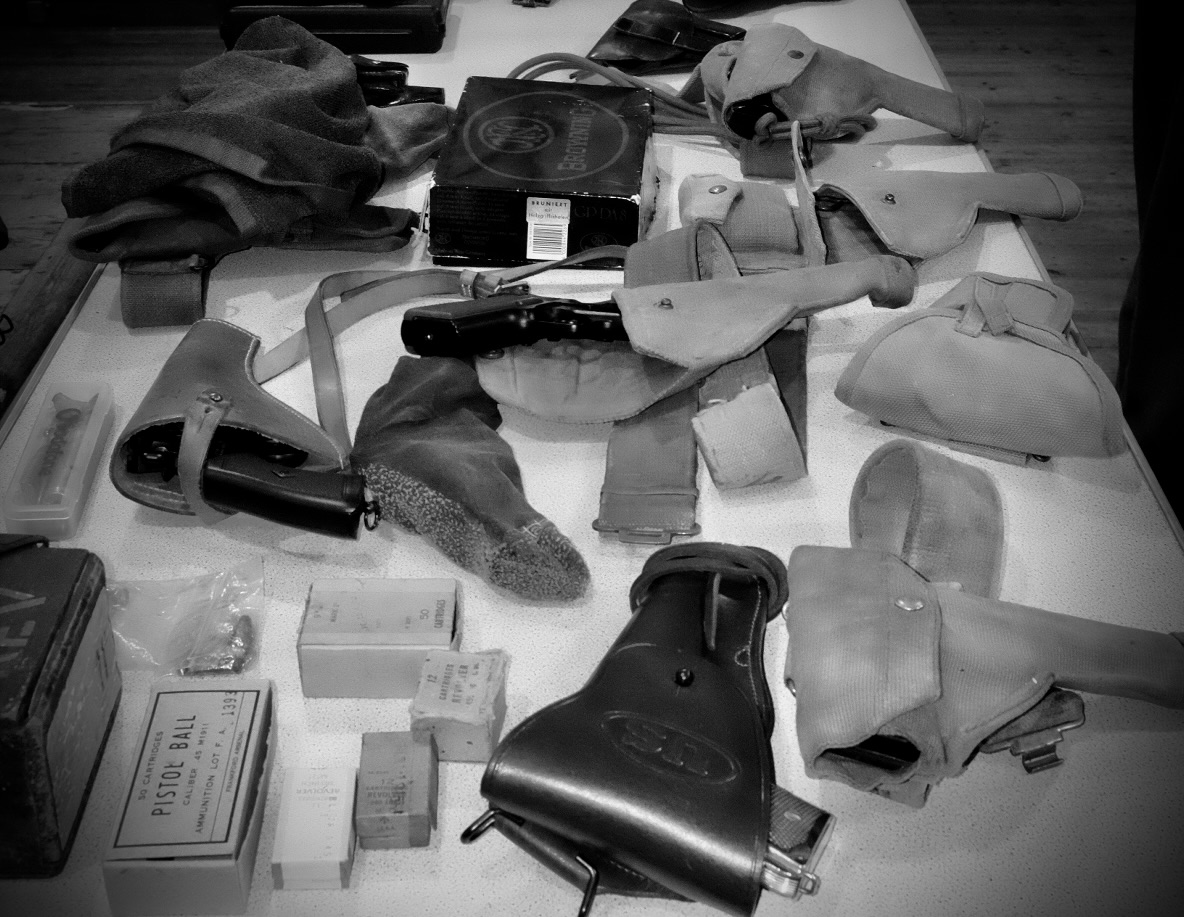
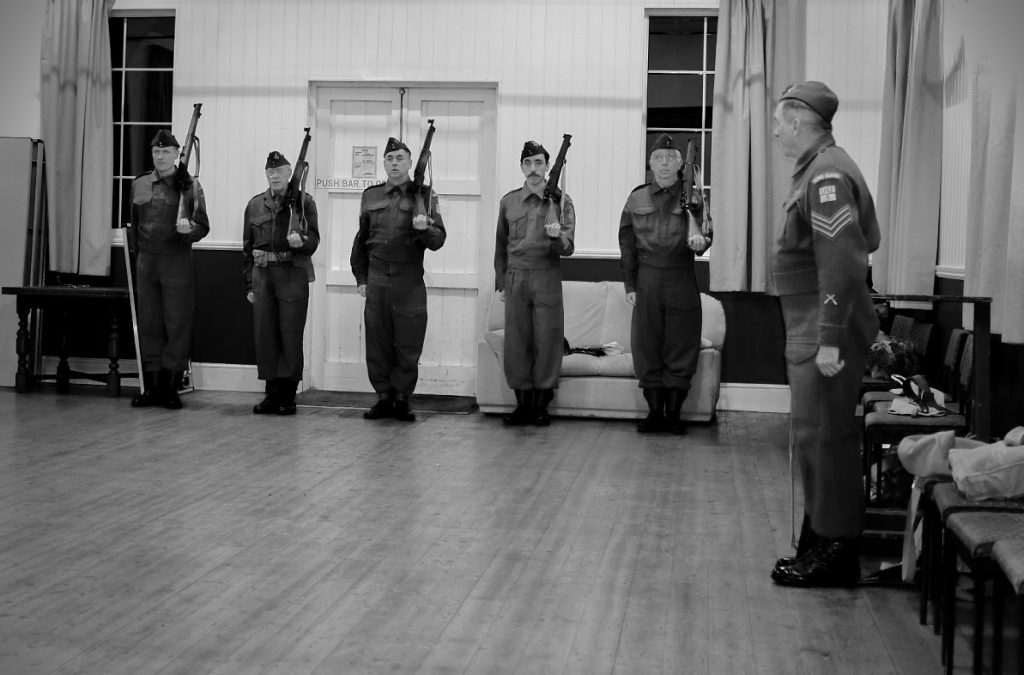
Our latest Redline training evening took place at Ipsden Village Hall, a building with its own wartime story, having been used by the local Home Guard during the Second World War. A fitting setting, then, for another evening of drill, learning, and hands-on history, this time with a focus on pistols.

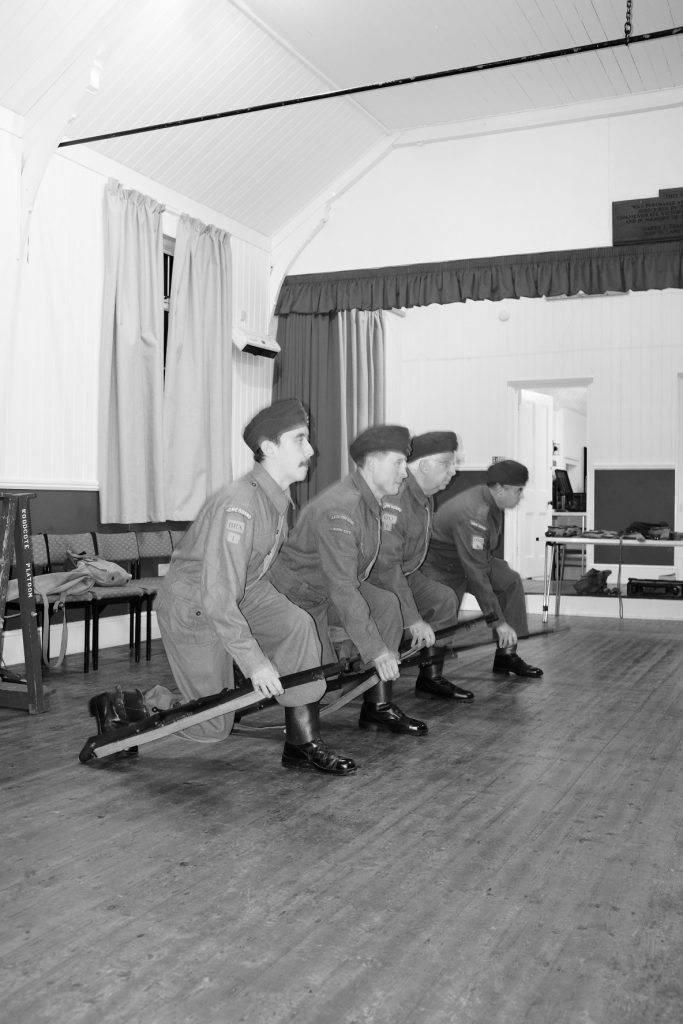
As always, proceedings began with a much-needed and reviving cup of tea before a spell of parade drill. The focus this time was on refreshing key movements – grounding arms and about-turns on the march – with, it must be said, varying degrees of success. However, following some clear and patient instruction from Sgt Quigley, standards quickly improved and the section finished the session in far better order than it began.
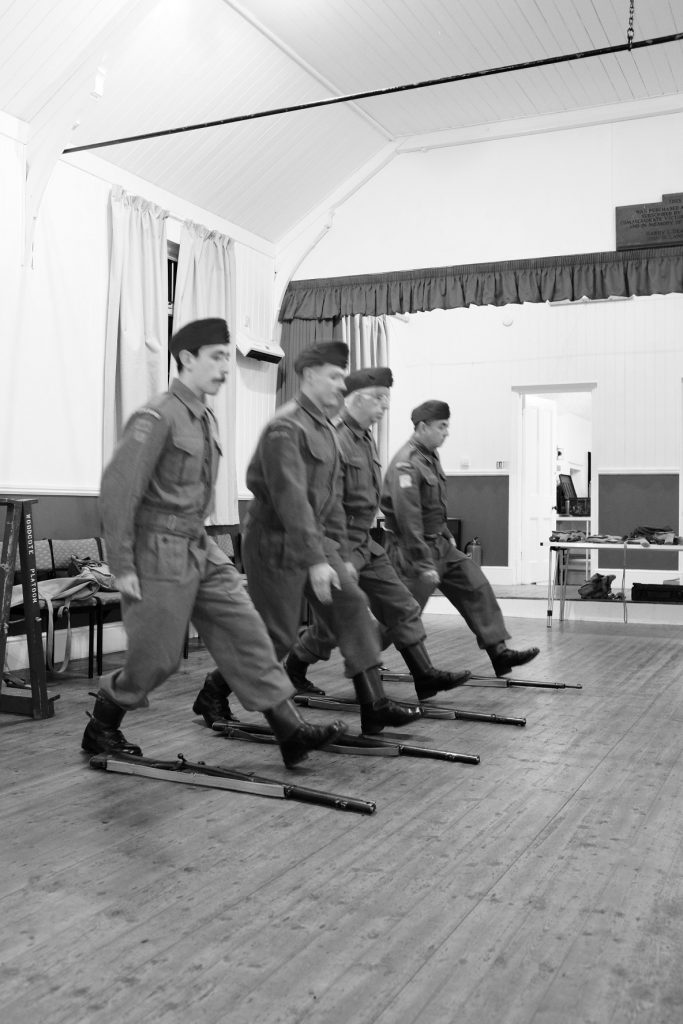
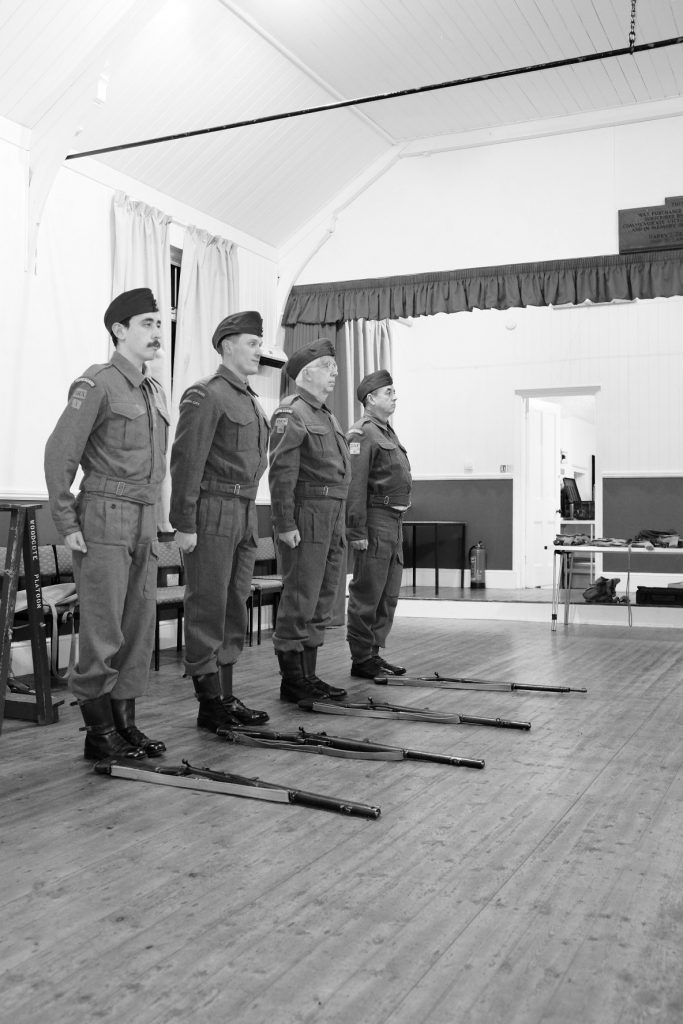
With drill concluded, we moved on to the main training subject of the evening: pistols, covering both Allied and Axis weapons. The session was led by 2/Lt Chambers, who delivered a well-structured and informative talk that balanced technical detail with practical context.
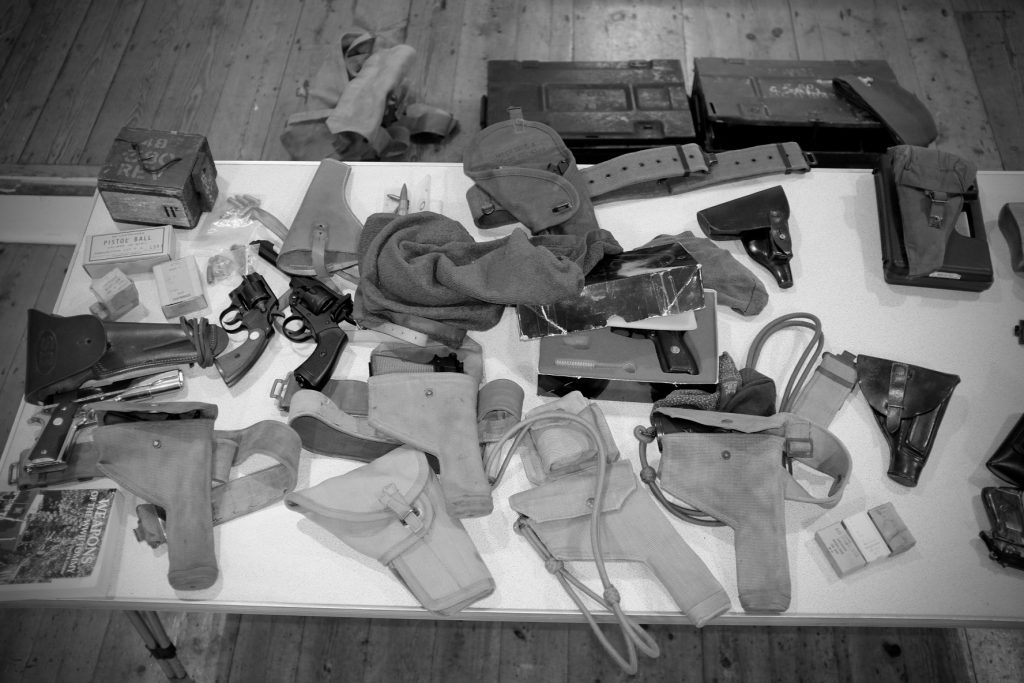
We began by examining Allied sidearms, starting with the Webley revolver, the standard British service pistol throughout much of the war. The Webley was renowned for its robustness and reliability rather than elegance, it became a familiar companion to officers, NCOs, aircrew, and Home Guard alike.
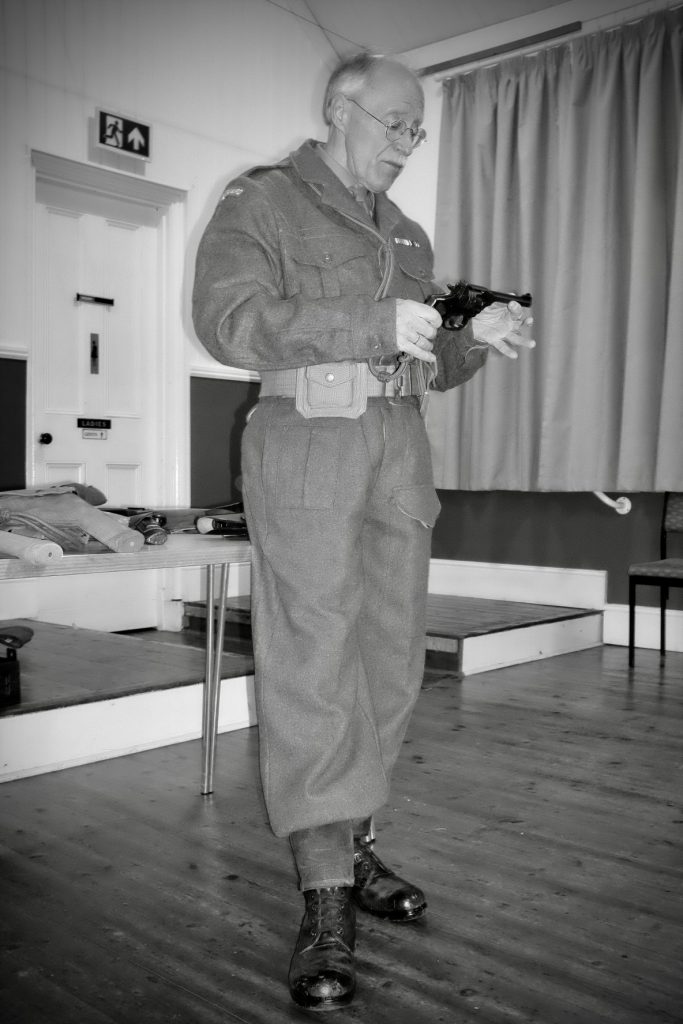
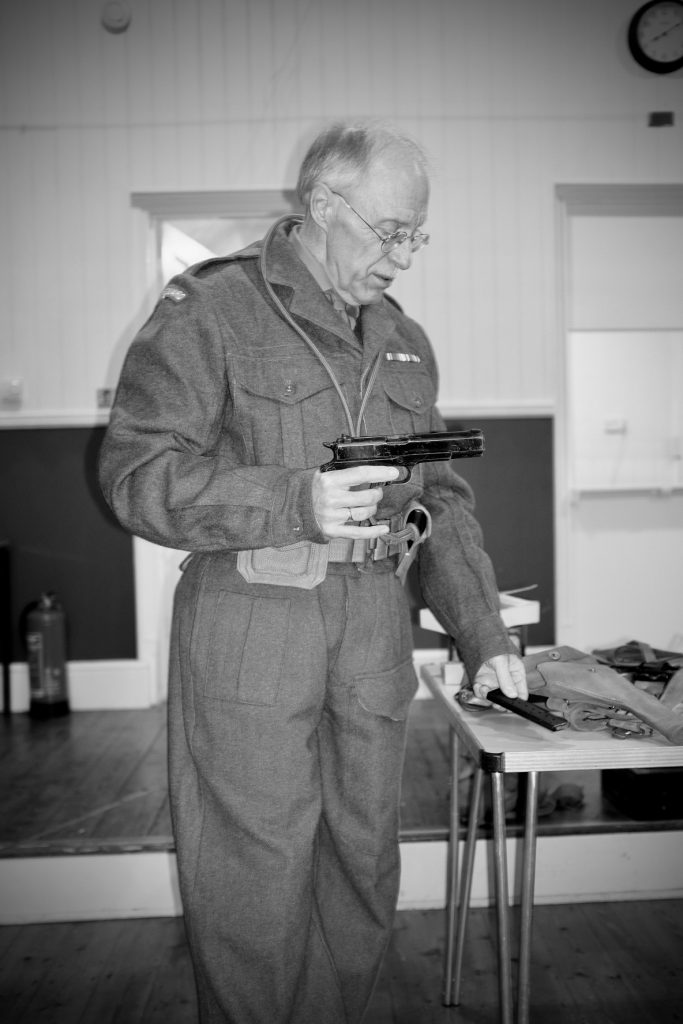
In contrast, Browning Hi-Power was a very different proposition. Designed by John Moses Browning and finalised in Belgium, the Hi-Power was chambered in 9×19mm and featured an impressive 13-round magazine capacity, high for the period. Compact, accurate, and forward-thinking in its design, it saw widespread use not only with Allied forces but also with Axis troops, particularly after German occupation of Belgium, where captured and locally produced examples were issued to German units. Its widespread adoption by both sides speaks volumes about the effectiveness and practicality of the design, which continues to influence pistol development today.
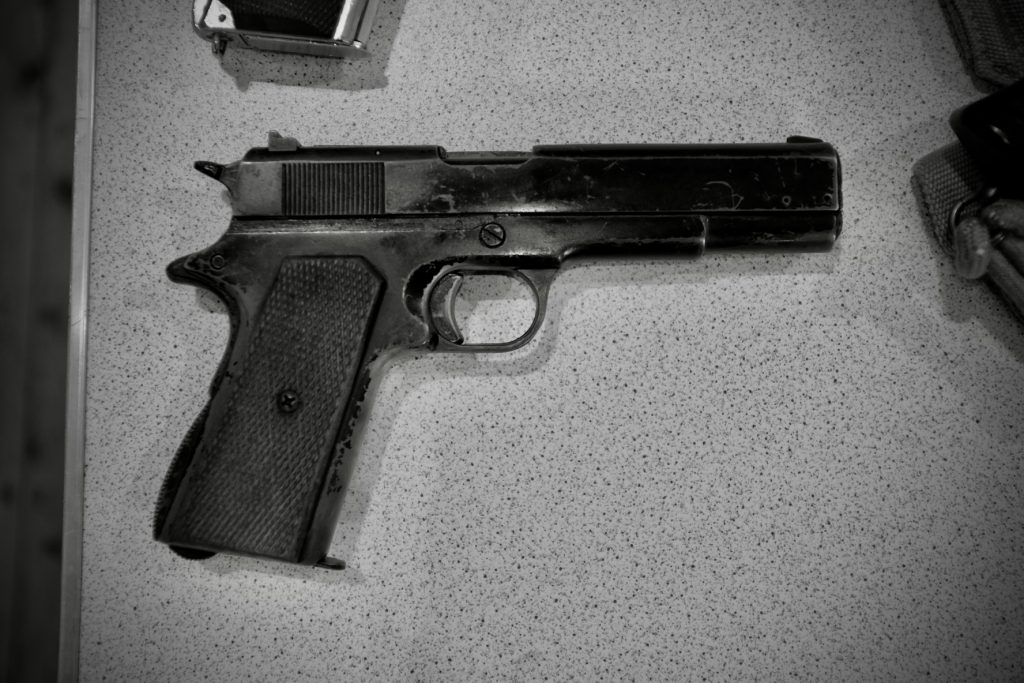
Each weapon was demonstrated and then passed around the group, allowing everyone to handle them, appreciate their weight, balance, and ergonomics, and better understand how they would have been used in service.
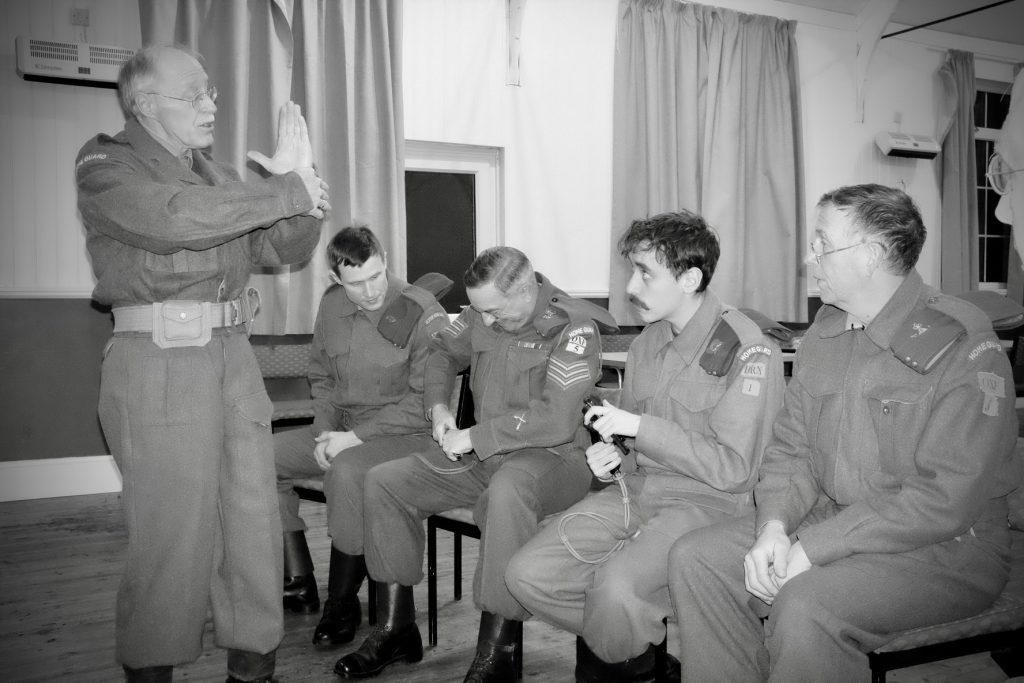
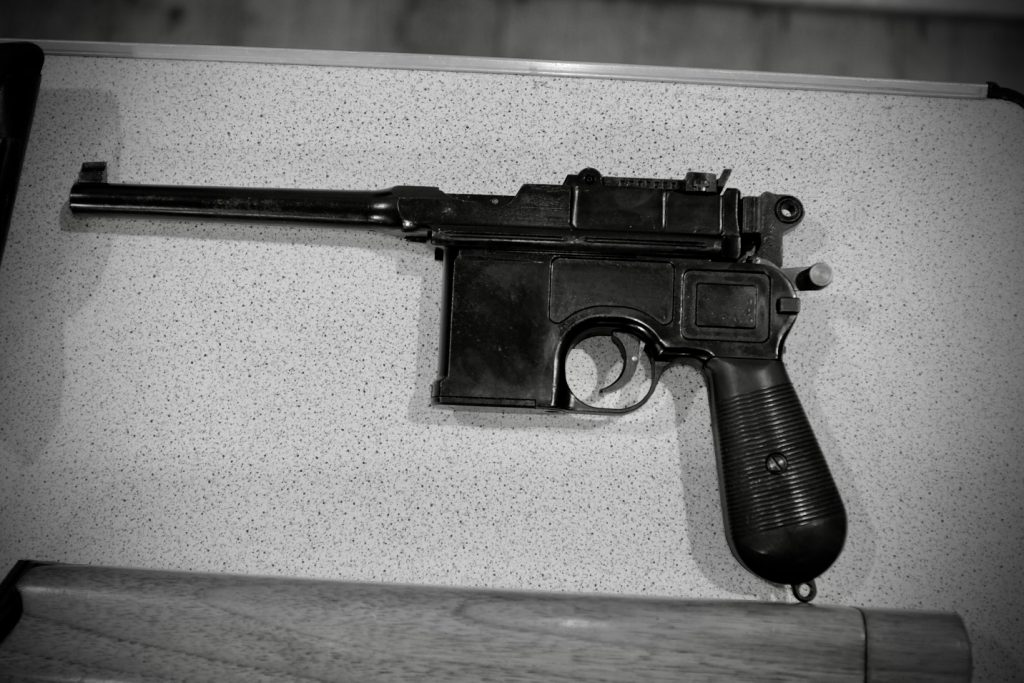
The evening concluded with a look at German pistols, beginning with the unmistakable Mauser C96, better known as the “broomhandle.” Originally developed before the First World War, it was still in circulation during the Second, valued for its distinctive profile, internal magazine, and powerful 7.63mm cartridge.
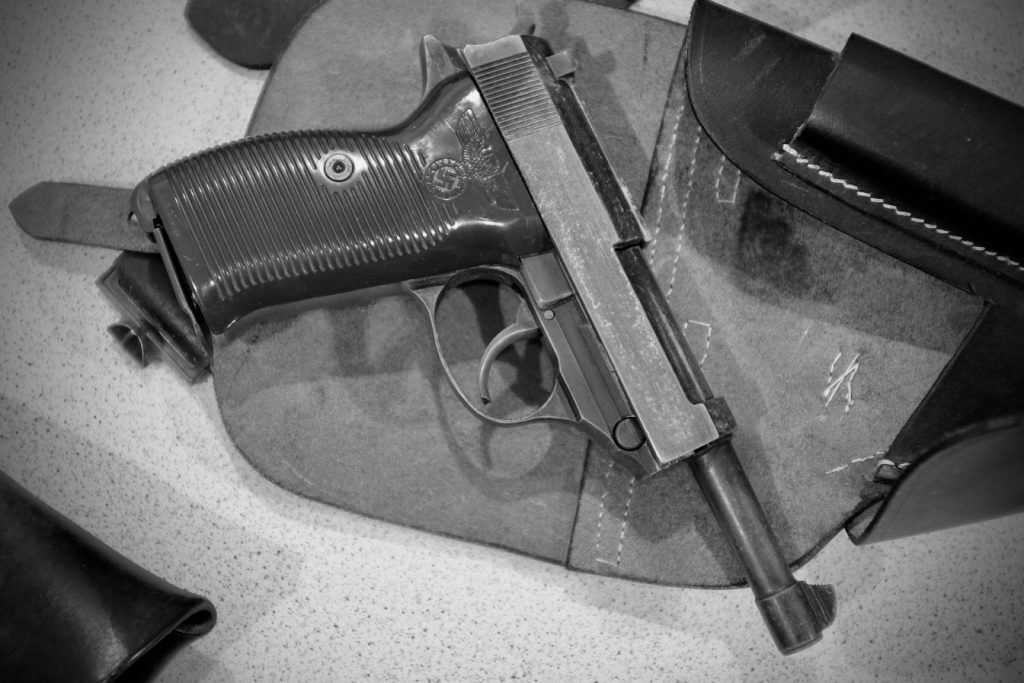
We then examined the Walther P38, introduced to replace the Luger as Germany’s standard service pistol. Chambered in 9mm, the P38 was notable for its double-action trigger and simpler, more economical construction – features well suited to wartime mass production.
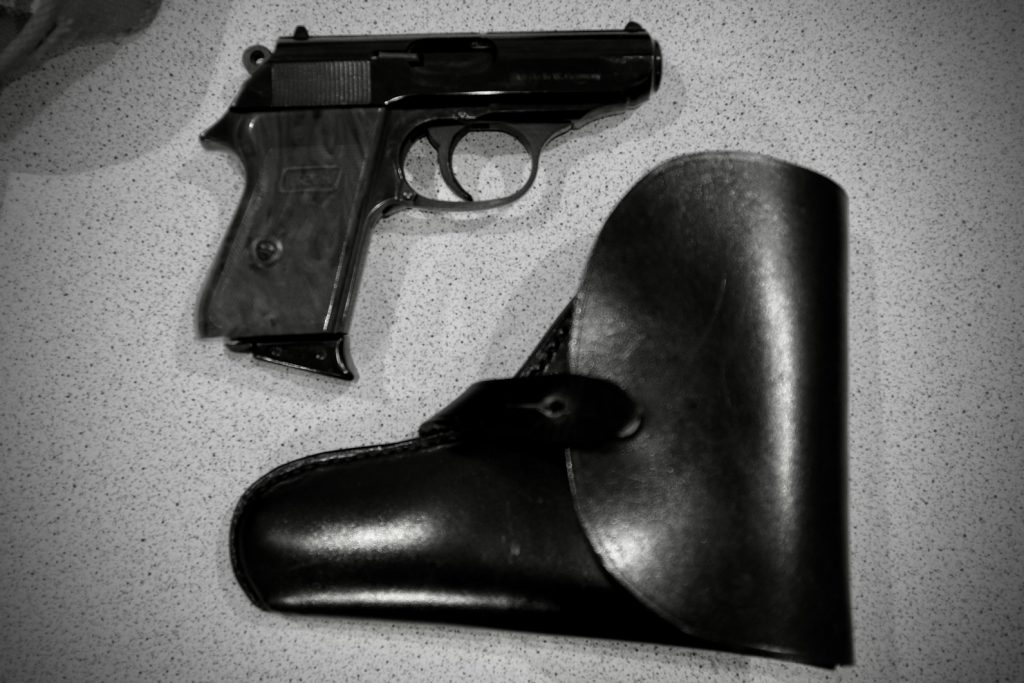
Finally, we looked at the Walther PPK, compact, discreet, and forever associated with espionage and popular culture, most famously as James Bond’s pistol of choice. In reality, it was widely used by German police, intelligence services, and senior officers, valued for its concealability and reliability. The PPK also carries a grim historical footnote: it was the weapon used by Adolf Hitler to end his own life in April 1945. In that sense, while it was never a battlefield weapon in the conventional sense, it can be said to have played a role in bringing the war in Europe to its definitive conclusion.
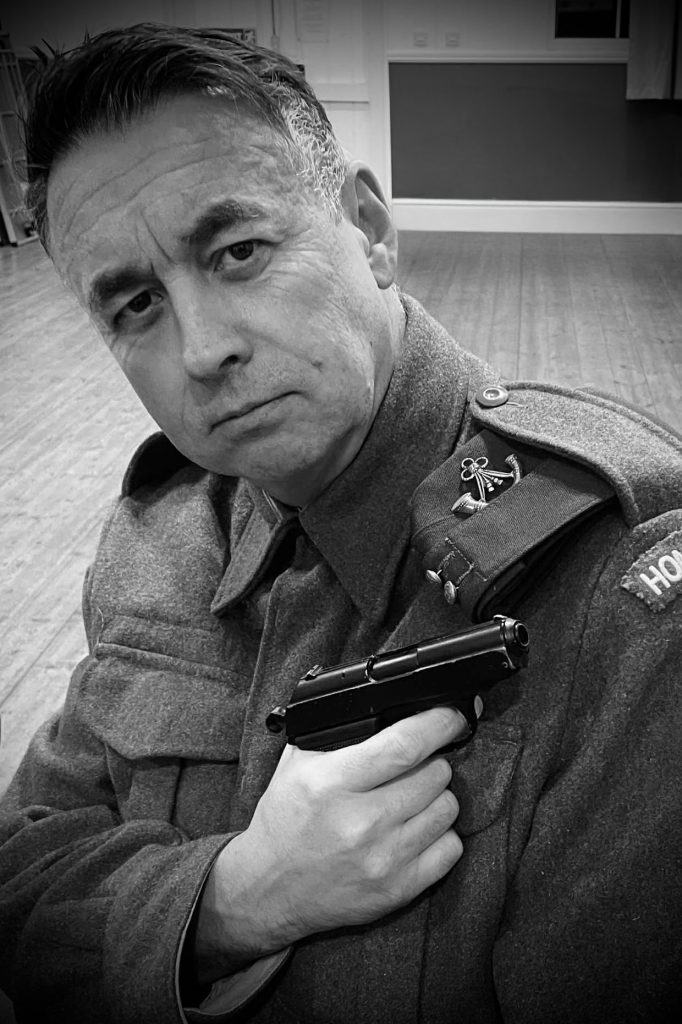
It was a fantastic evening – informative, engaging, and exactly the sort of practical training that builds knowledge and confidence among the chaps.
We’ll be back at Ipsden Village Hall for our next training session, where the focus will shift to the Lewis machine gun. If you’re interested in joining Redline, learning more about the Home Guard, or getting involved with our training and events, please do get in touch – new faces are always welcome.
No responses yet