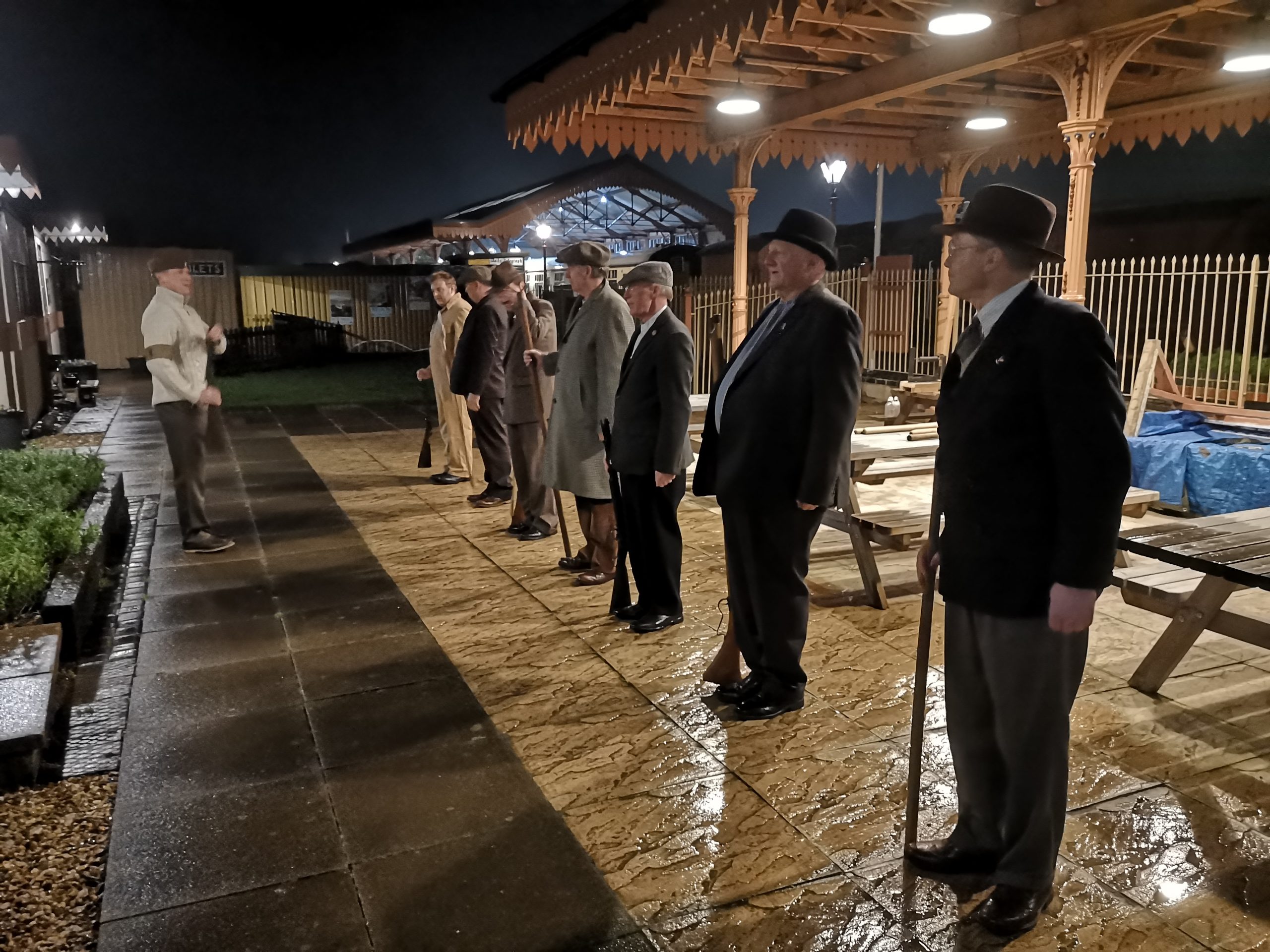
This week, Redline Home Guard stepped right back to the very beginning of Britain’s wartime defence story with a training evening recreating the formation of the Local Defence Volunteers, better known as the LDV.
The evening focused on May 1940, during one of the darkest periods of the Second World War. Following the German invasion of Western Europe and the growing threat of invasion to Britain itself, Secretary of State for War Anthony Eden made his famous radio broadcast on the evening of 14 May 1940, calling for men to step forward and defend their local communities.
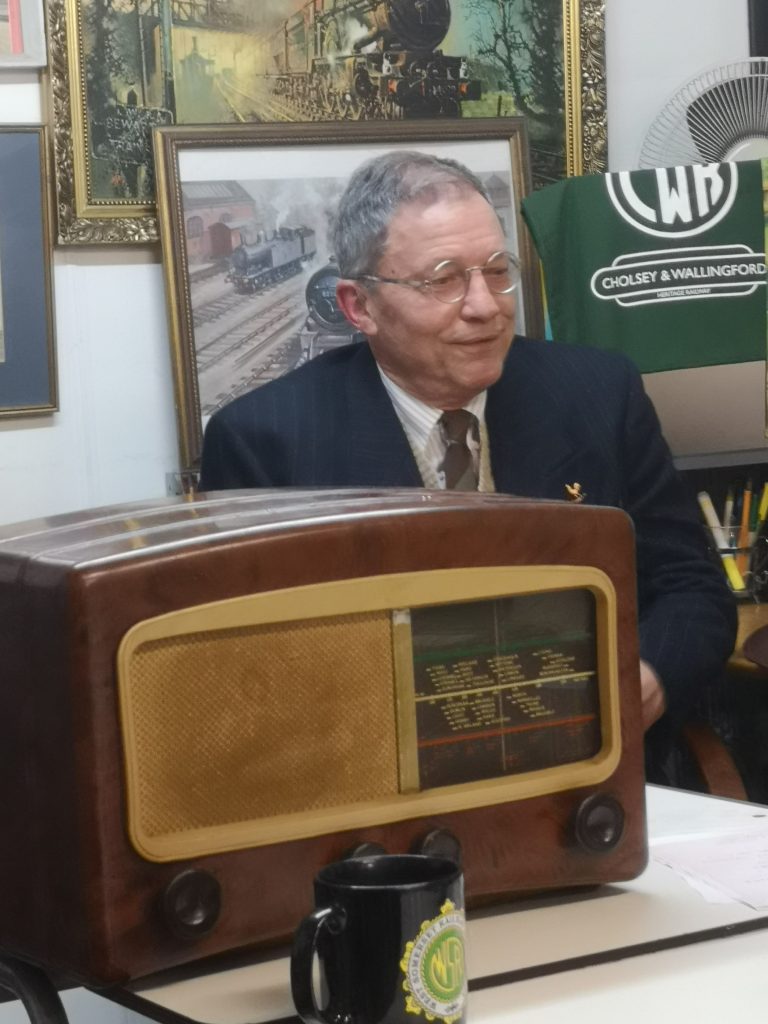
To begin the evening, members gathered to listen to the original broadcast, recreating the moment thousands of men across Britain first heard the call to join what would later become the Home Guard. Eden’s appeal for volunteers “who wish to do something for the defence of their country” sparked an enormous response nationwide almost overnight.
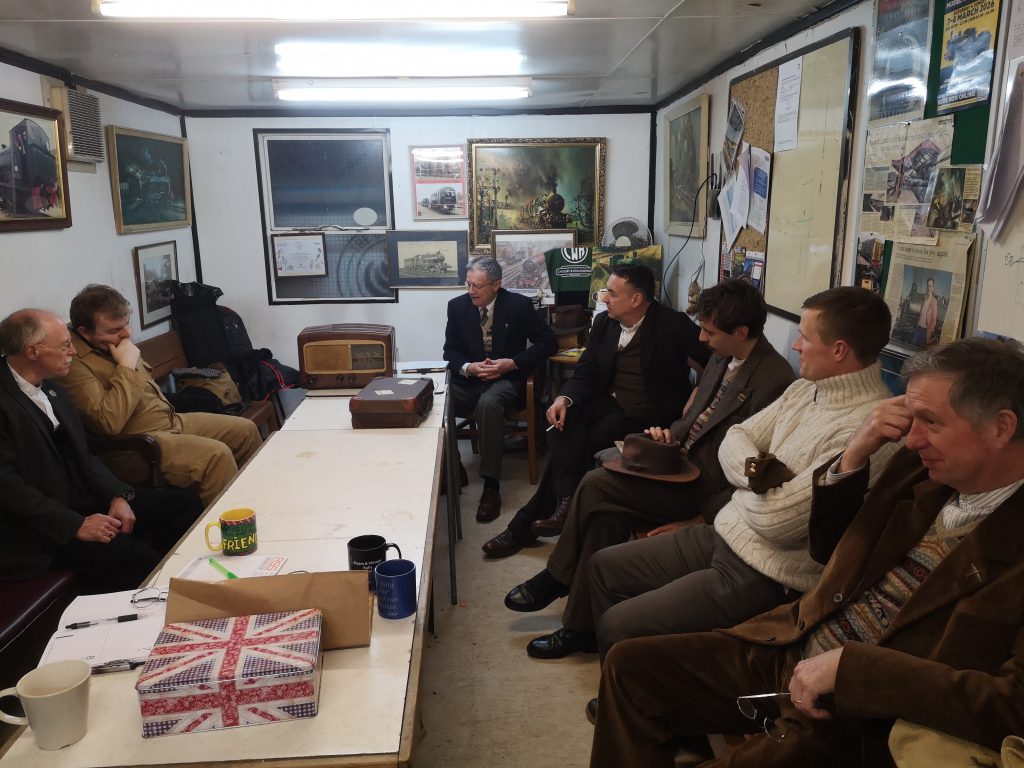
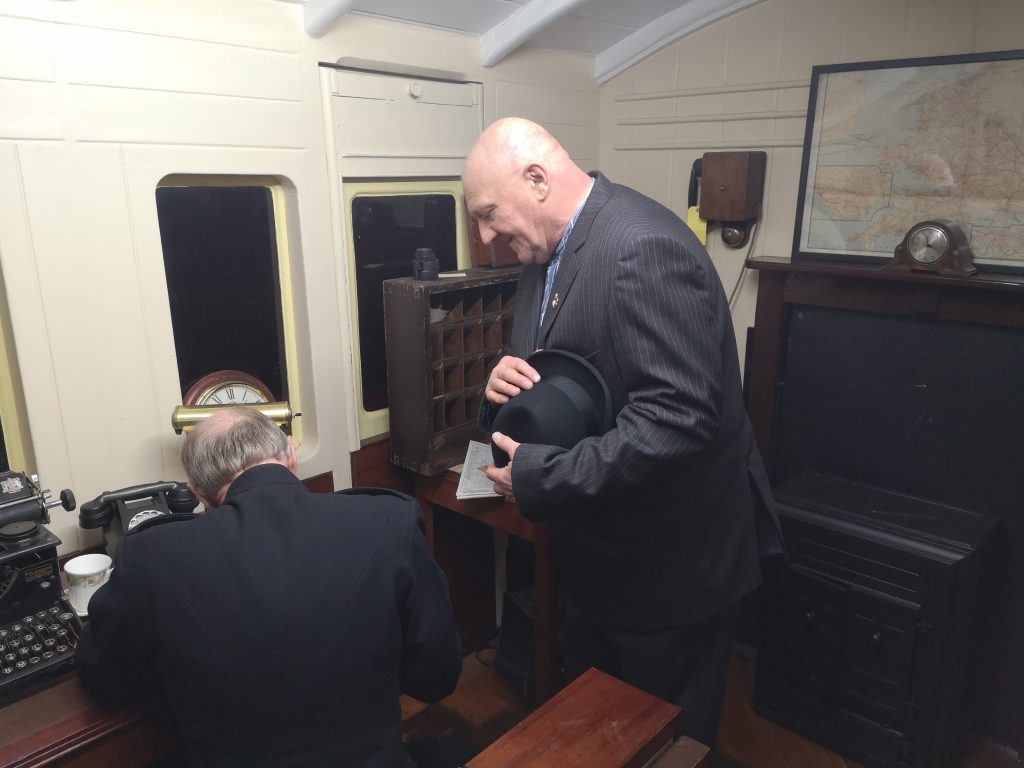
Following the broadcast, the platoon recreated scenes repeated up and down the country in the early days of the LDV, with volunteers reporting to their local police station to enrol for duty. Just as happened in 1940, the ranks included men of different ages and backgrounds, all answering the call to serve despite limited training, equipment and organisation in those chaotic early weeks.
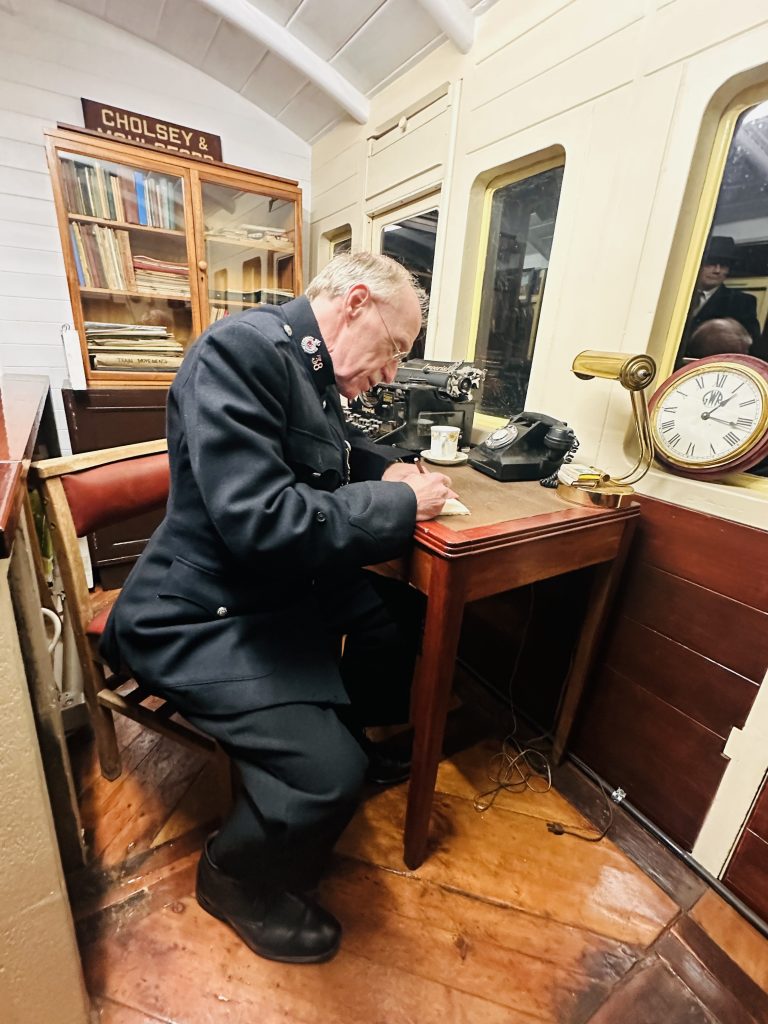
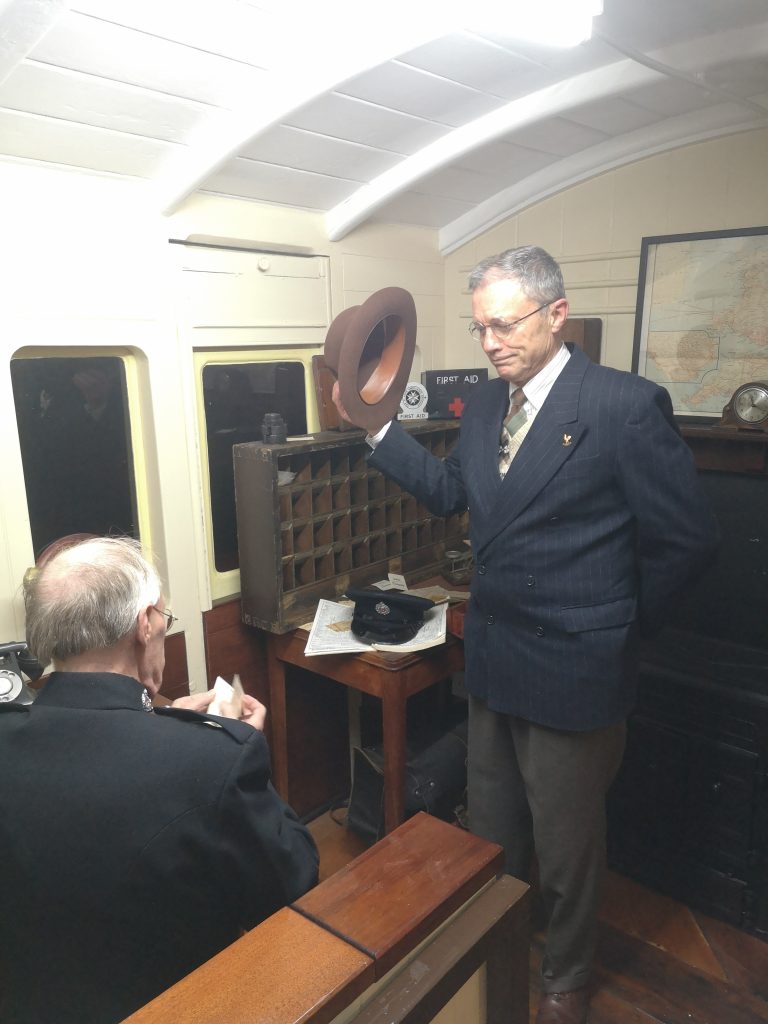
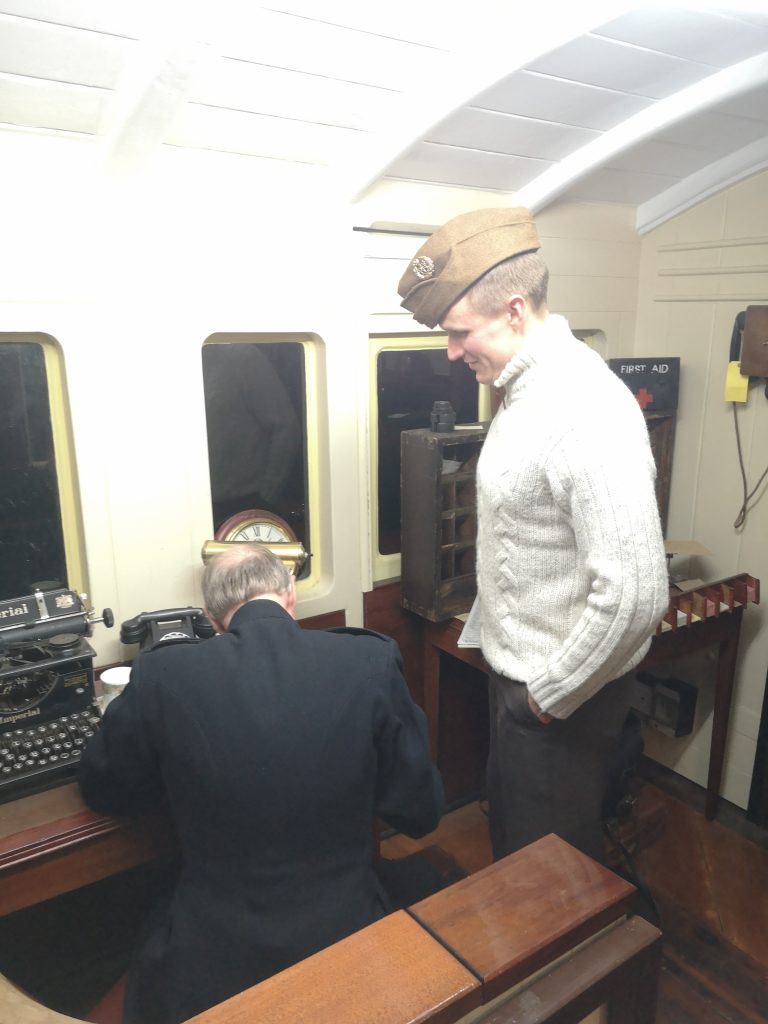
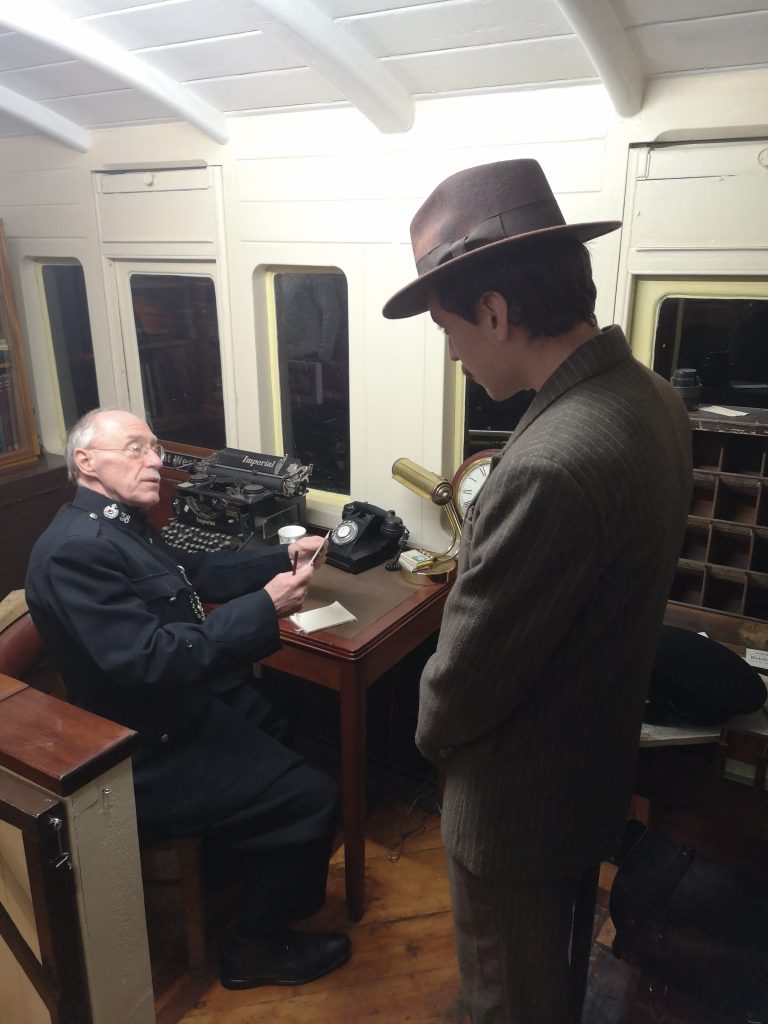
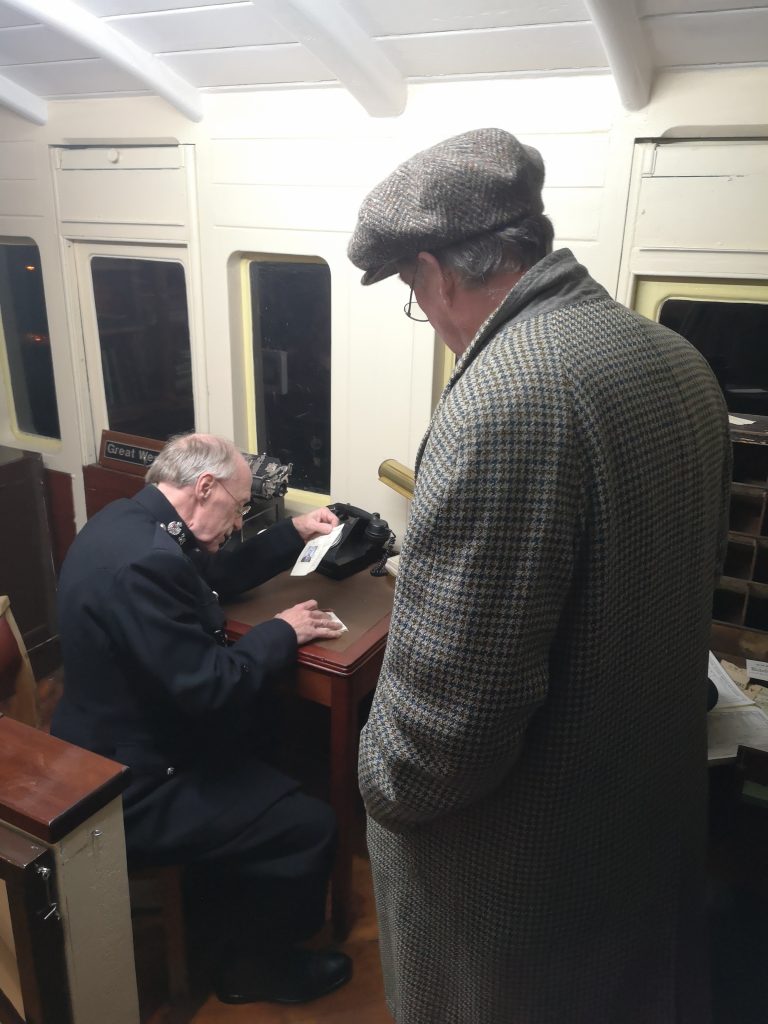
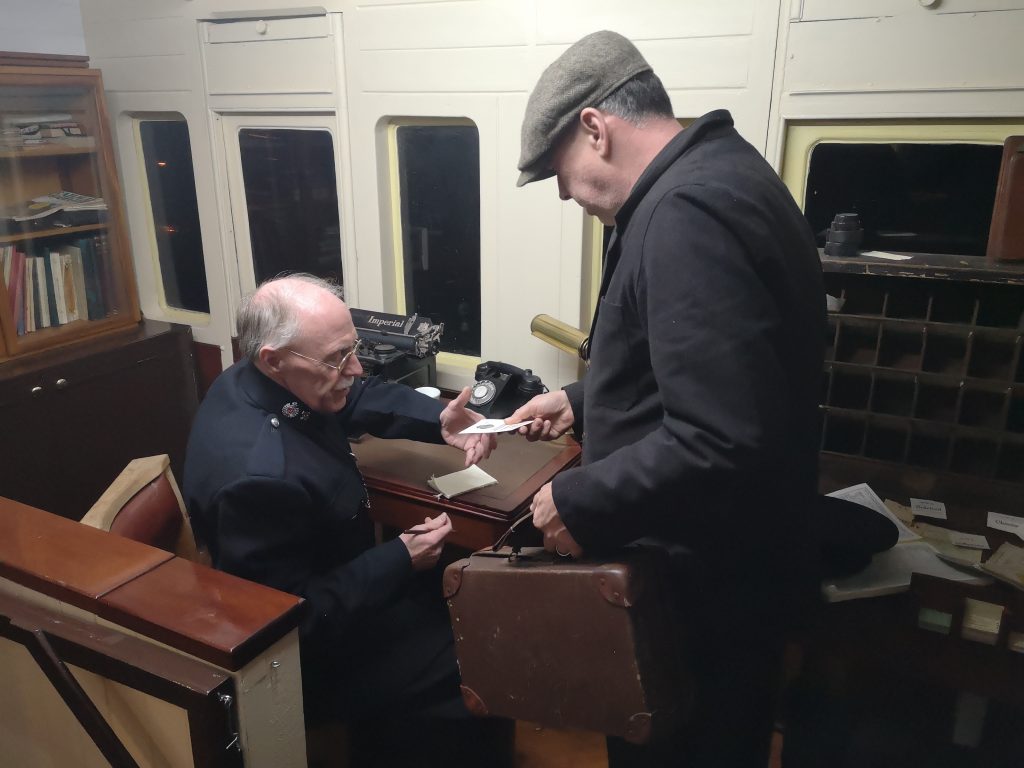
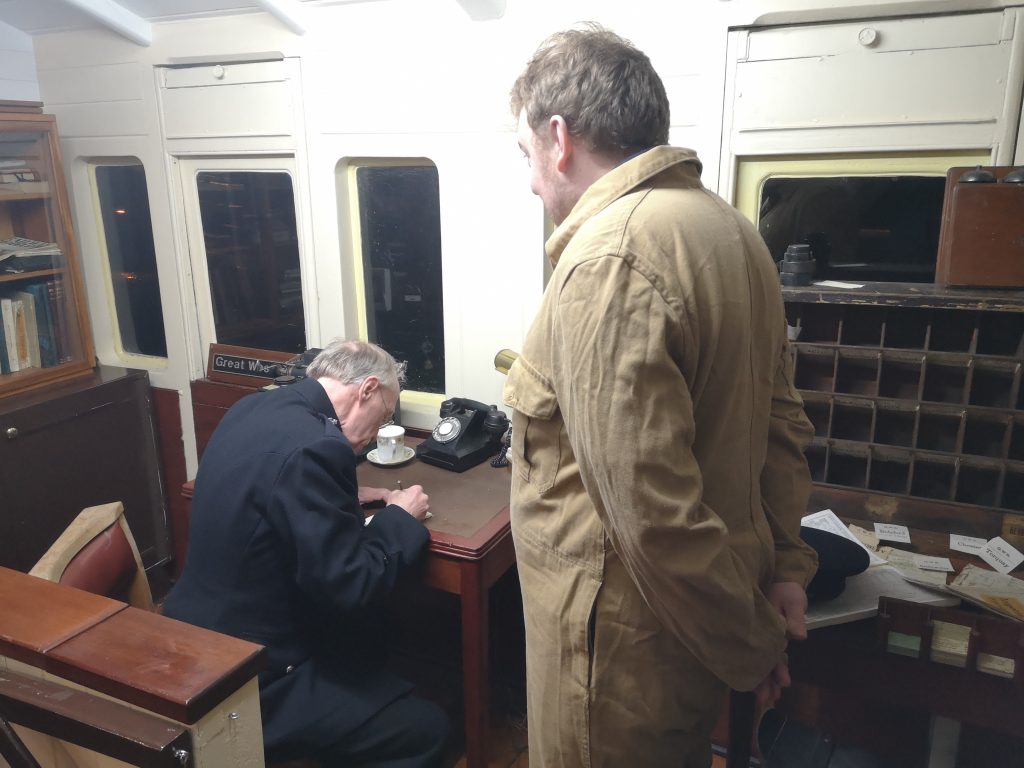
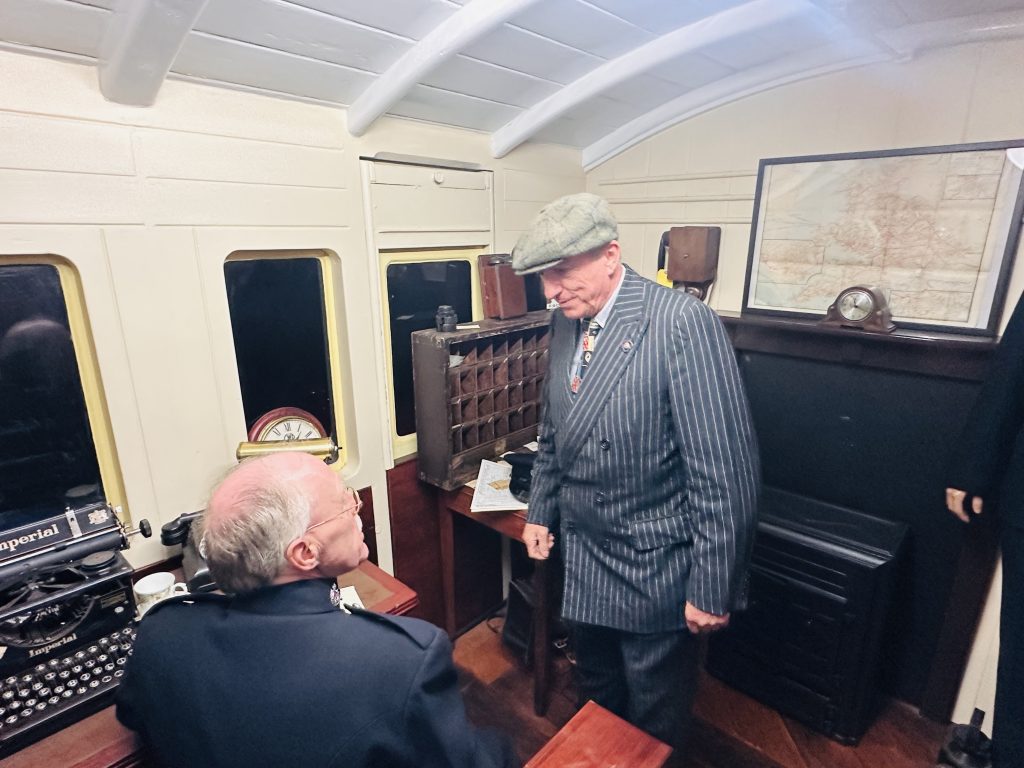
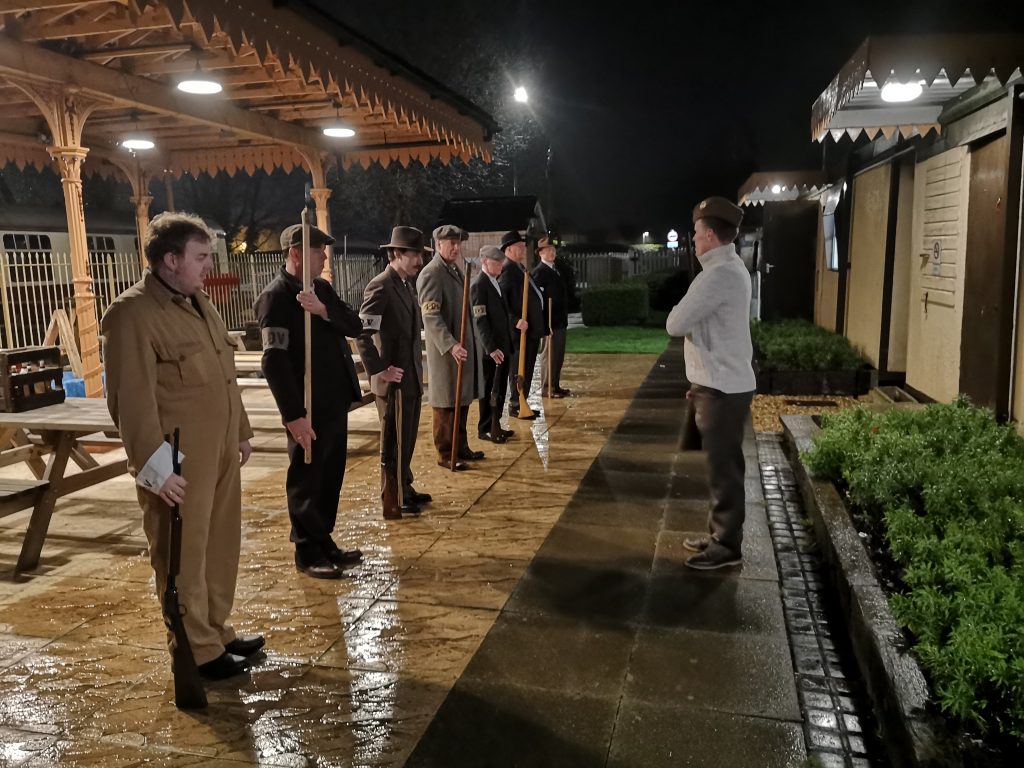
Once enrolled, members moved on to practical early-war drill and training. In true LDV fashion, the equipment on display reflected the reality of Britain’s invasion scare during 1940, before proper military weapons became widely available. Volunteers trained with a wonderfully mixed assortment of weaponry, including sporting shotguns, improvised pikes and even a broadsword, perfectly capturing the often improvised nature of the early LDV.
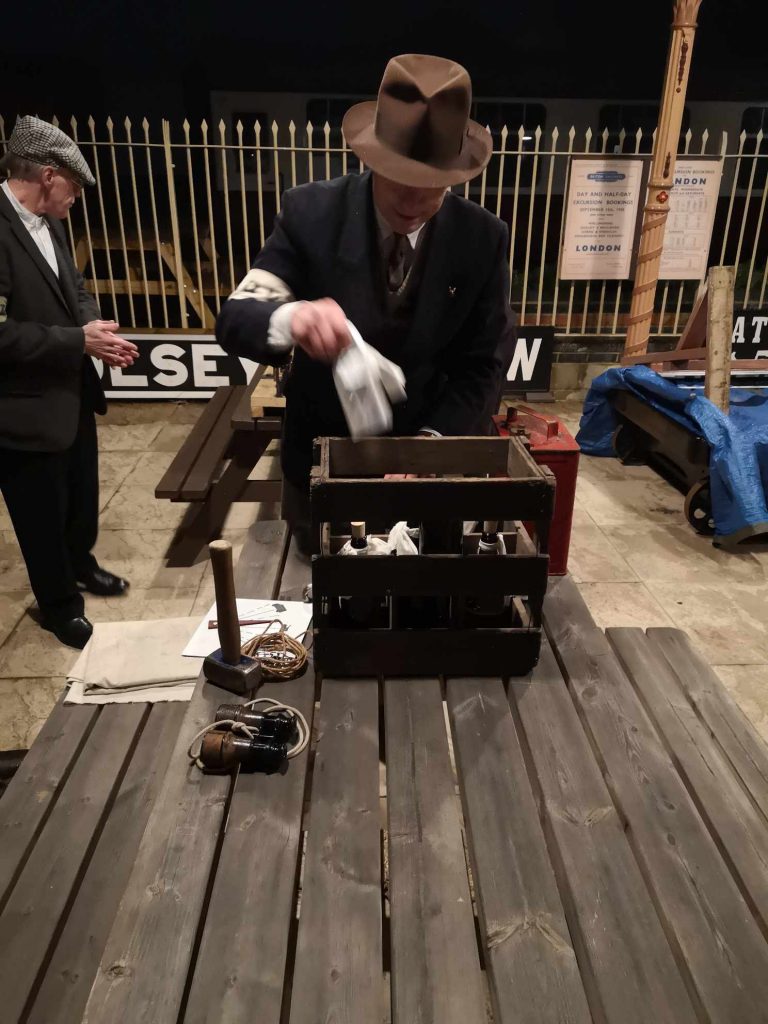
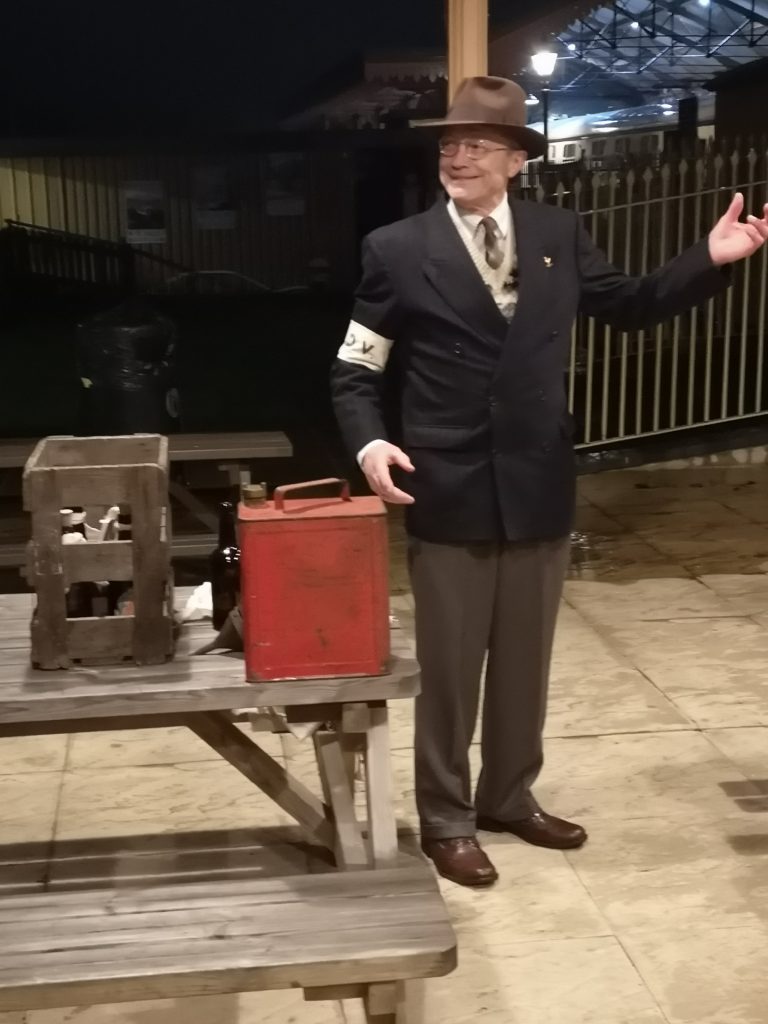
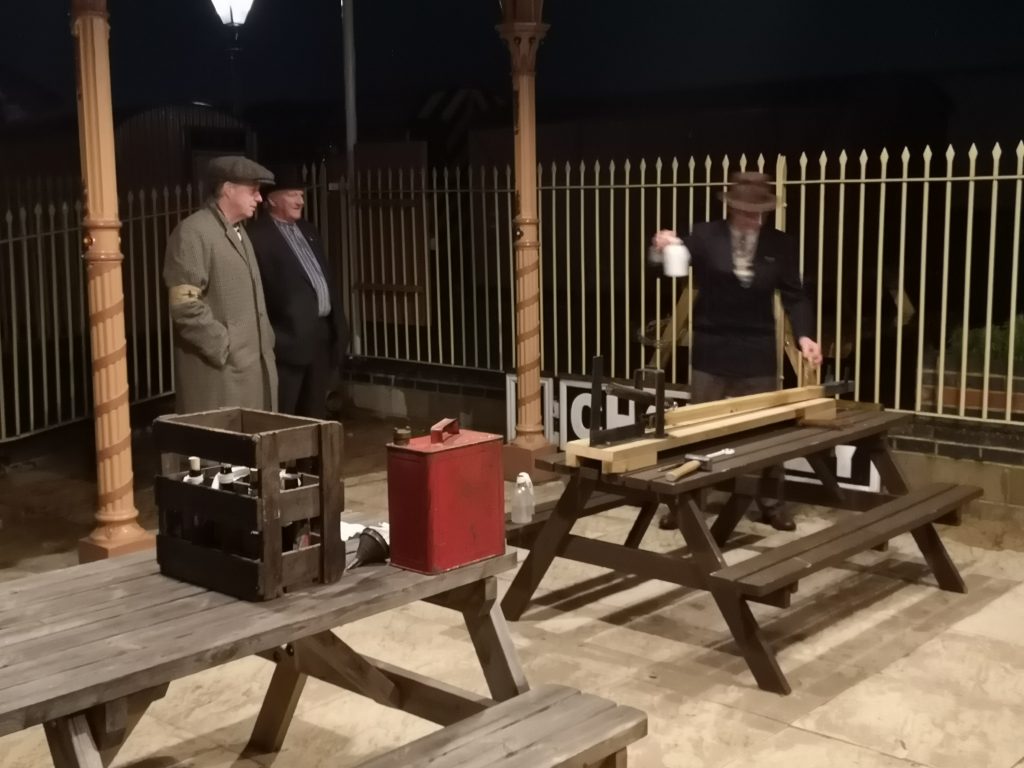
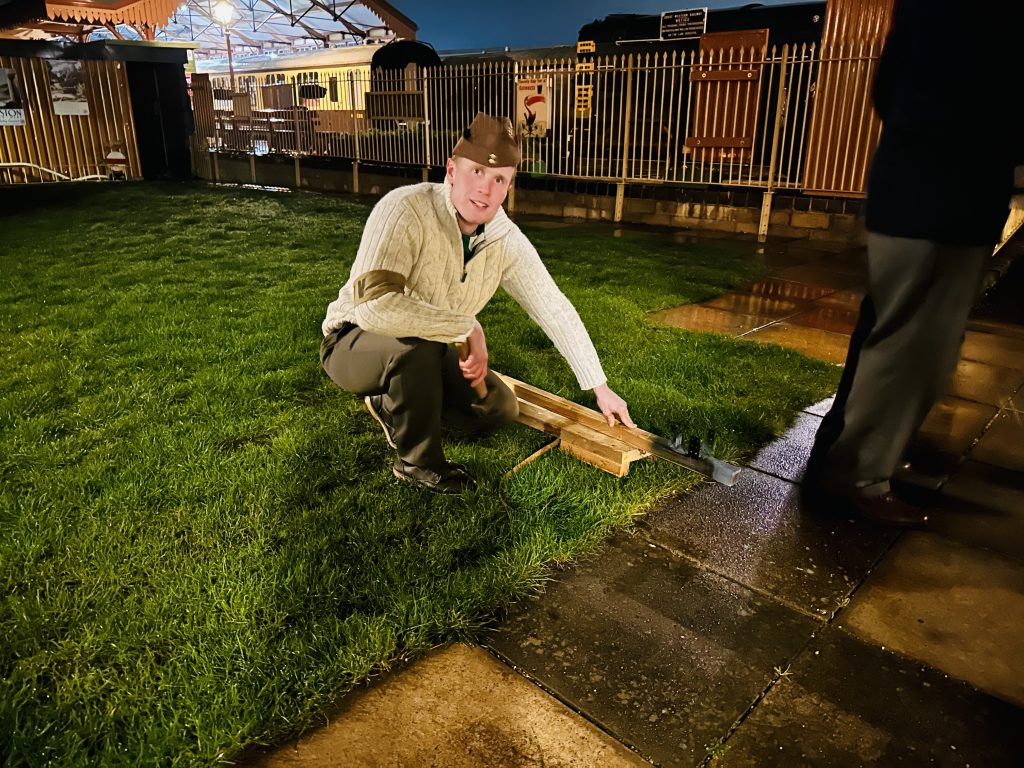
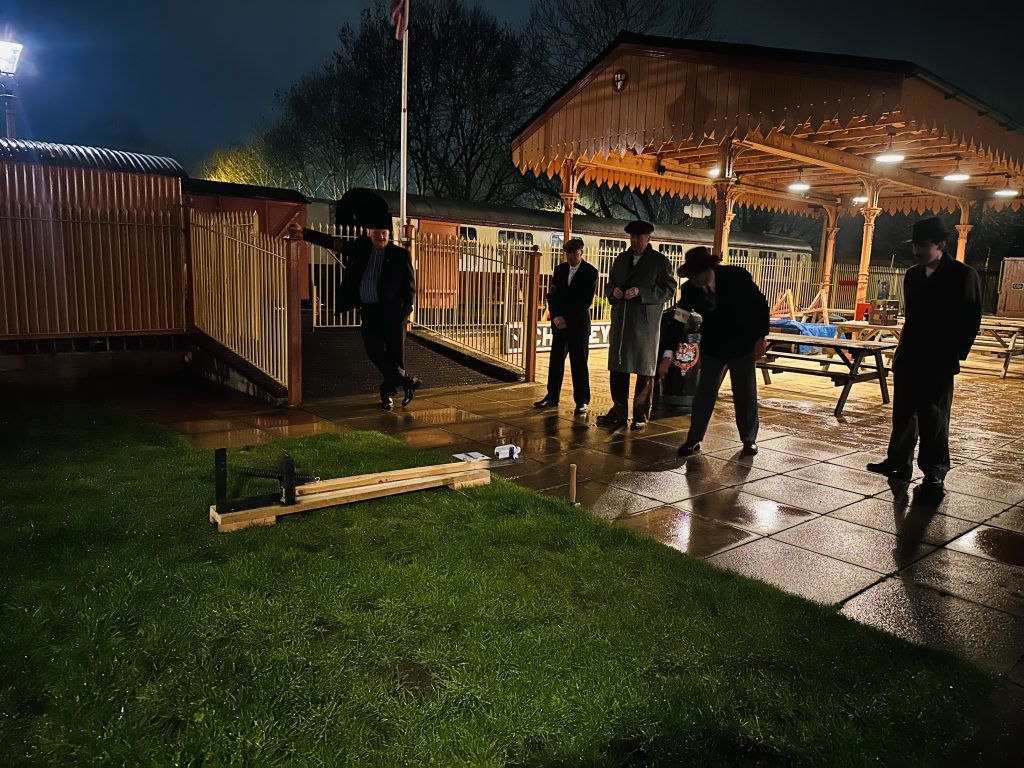
The evening concluded with an excellent presentation delivered by Volunteer Winney, focusing on the earliest period of the LDV and the improvised anti-invasion measures developed during 1940. The talk explored the manufacture and wartime use of Molotov cocktails, alongside a demonstration of a homemade Molotov “flinger”, recreated from a surviving wartime image found online. The presentation perfectly captured the ingenuity, improvisation and determination that characterised Britain’s early preparations against invasion.
It was a thoroughly enjoyable evening and exactly the sort of immersive, hands-on living history Redline prides itself on. By combining practical drill, original broadcasts, improvised equipment and historical interpretation, the evening offered a genuine insight into the uncertain and often chaotic beginnings of Britain’s Home Guard.
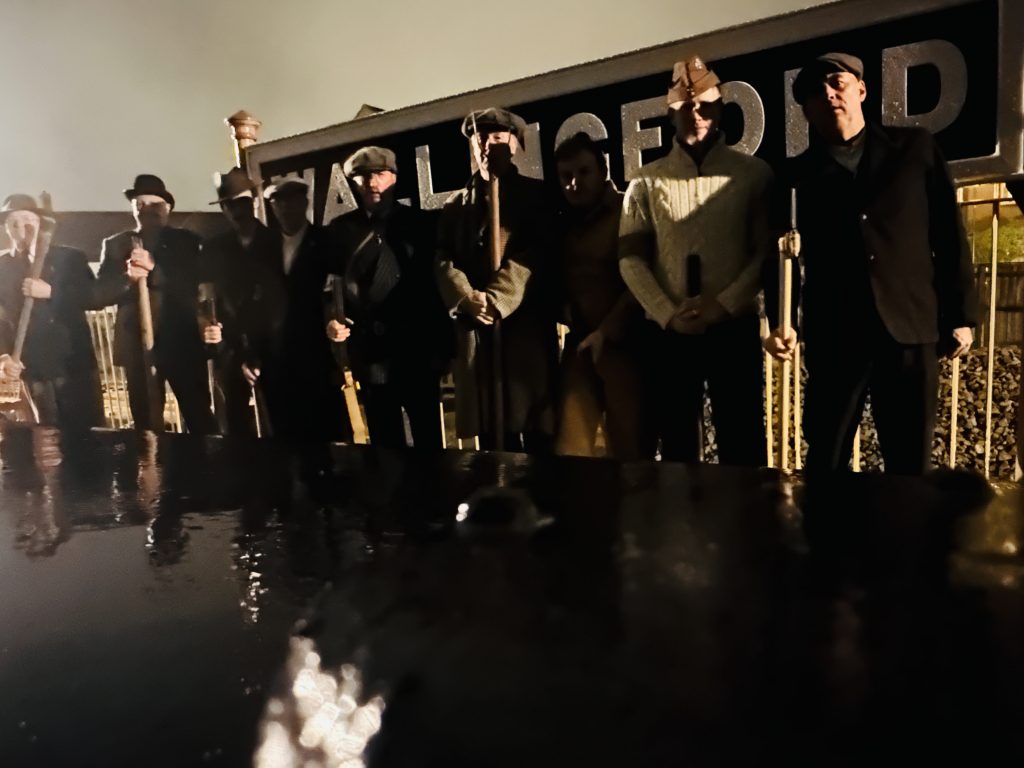
A huge thank you goes to Volunteer Winney for an excellent presentation and to everyone who helped bring the evening to life.
No responses yet