
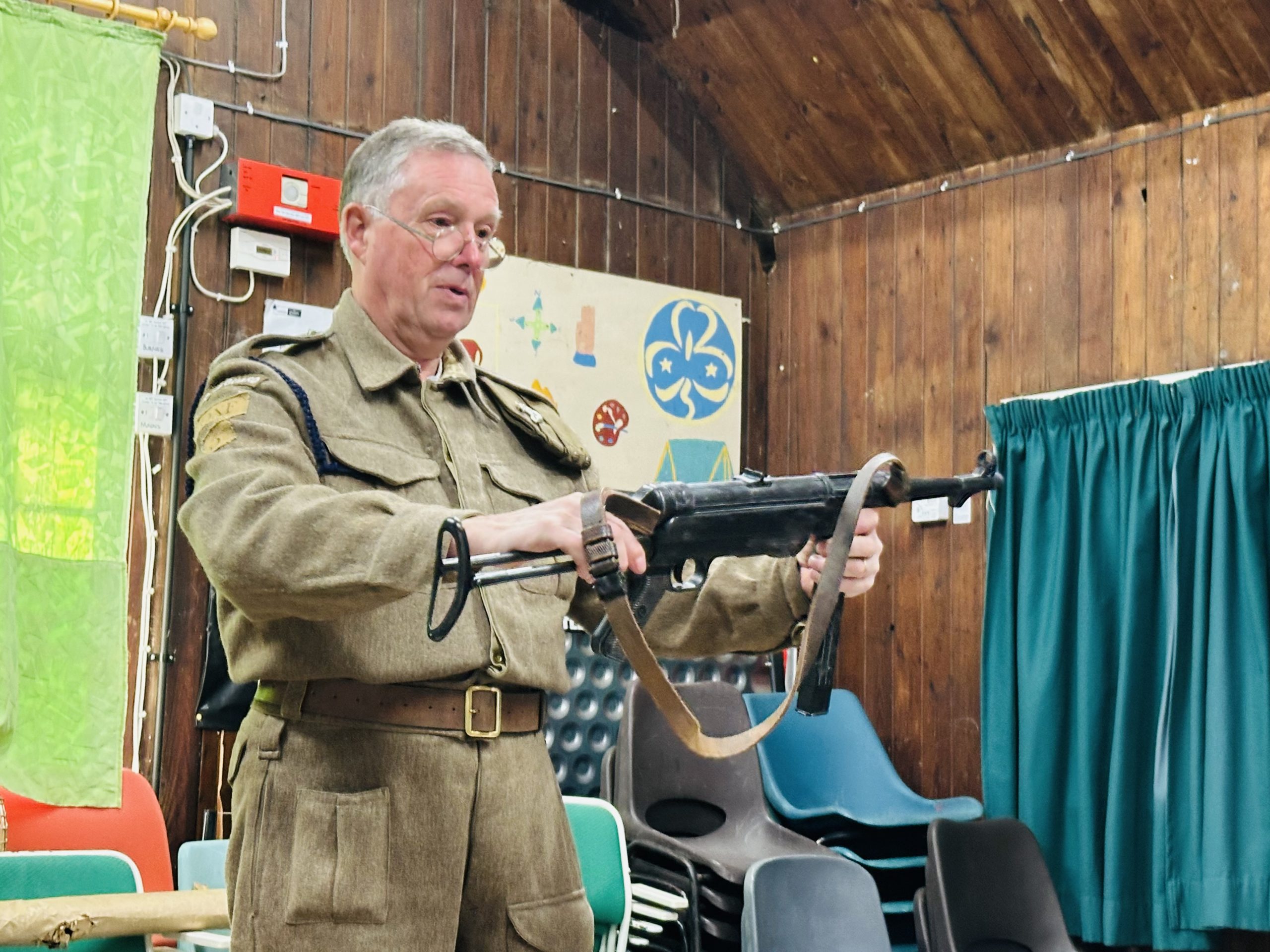
A recent Redline Home Guard training evening saw us delve into the equipment of the enemy, with Pte Martin delivering an informative and engaging presentation on German weapons of the Second World War.
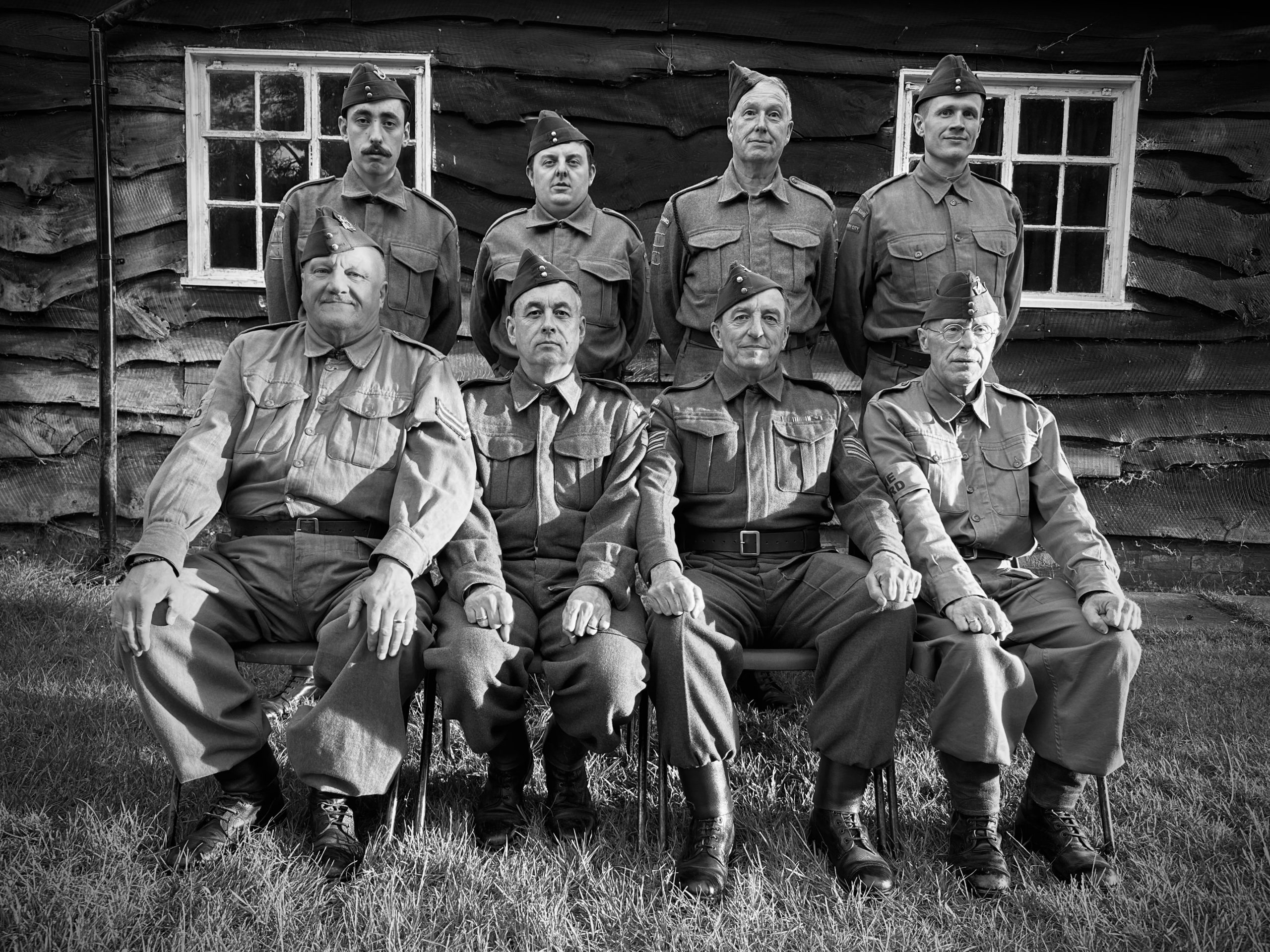
As is customary, the evening began with a period of drill outside to keep everyone sharp. Taking advantage of the fine weather, we also gathered for a group photograph before heading indoors for the main event.
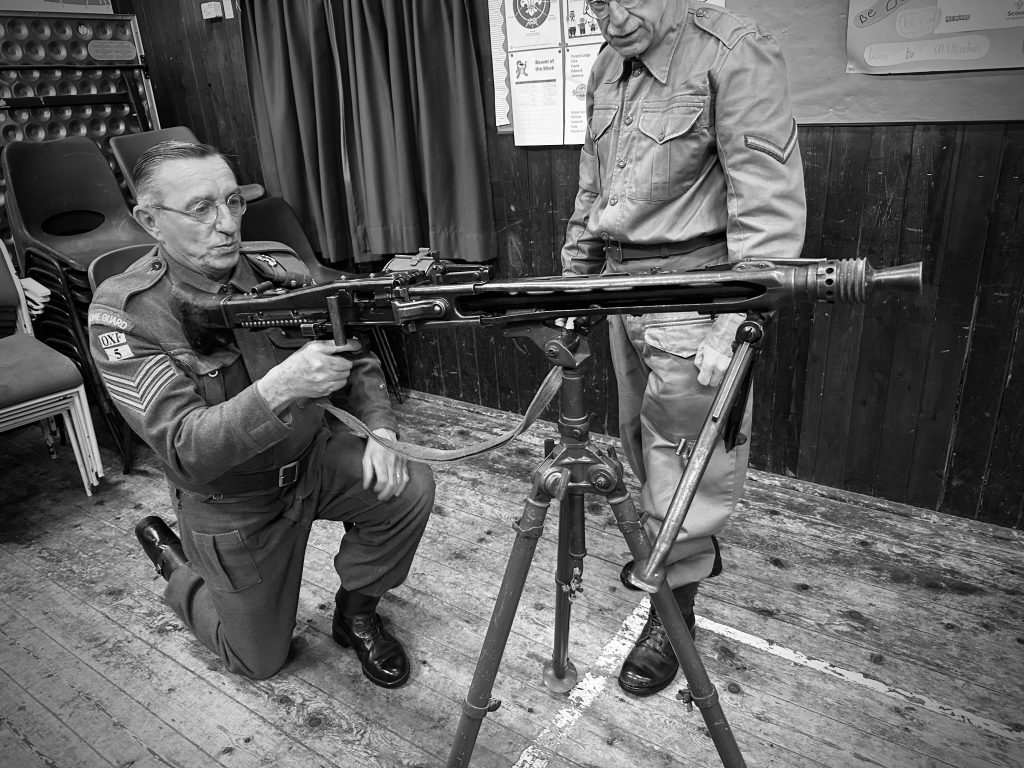
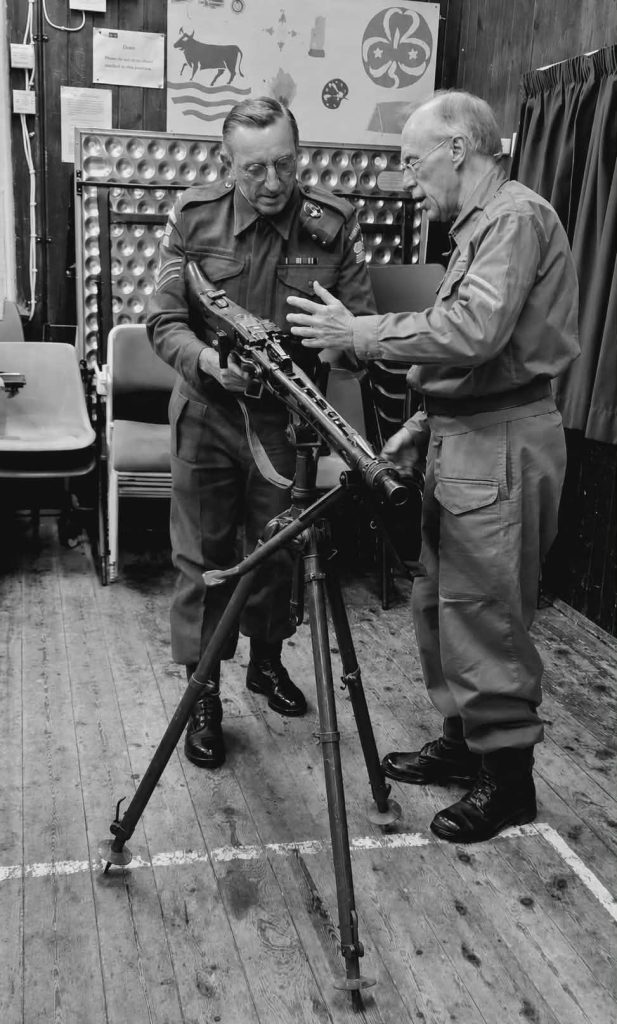
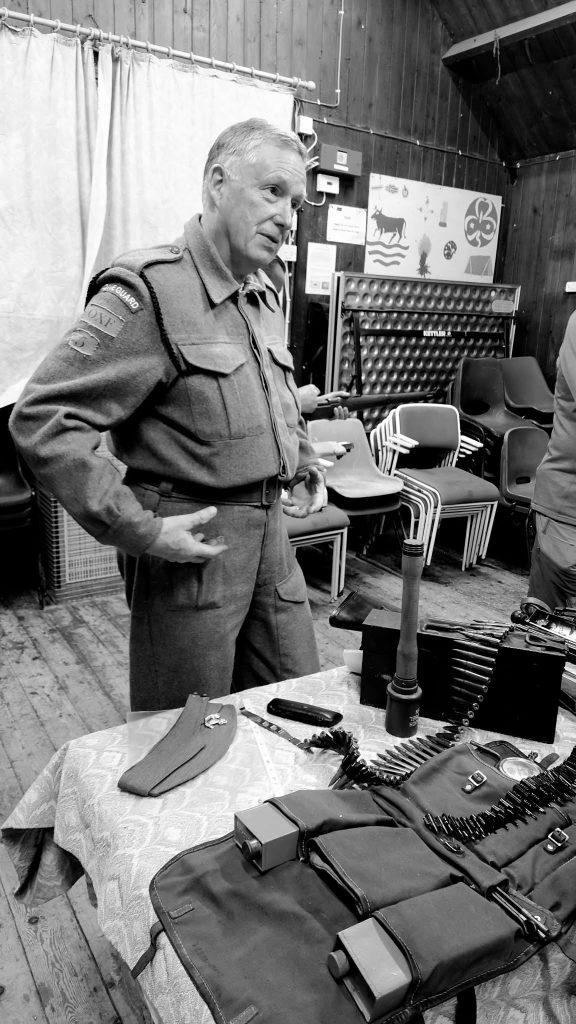
Pte Martin brought along an impressive selection from his collection, giving members the opportunity to get hands-on with a range of German weapons and equipment. The collection spanned everything from pistols and rifles to machine guns and mines, providing a fascinating insight into the equipment fielded by Germany during the war.
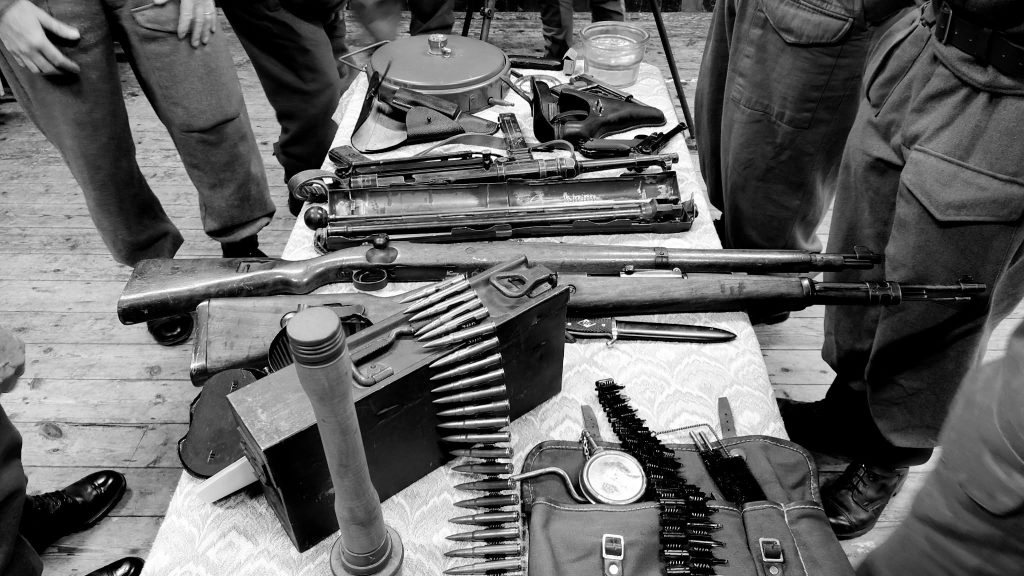
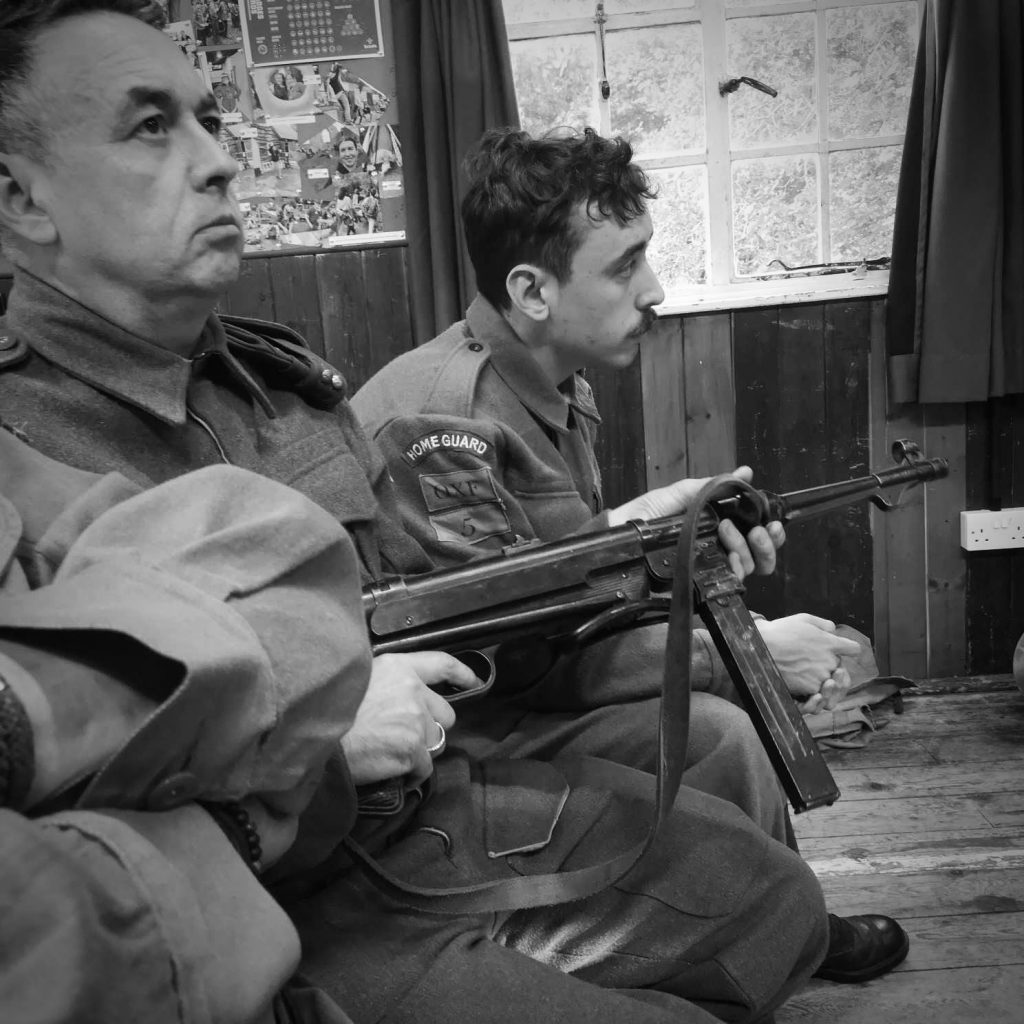
Among the highlights was the iconic MG42 machine gun, one of the most feared weapons of the Second World War. Capable of firing between 1,200 and 1,500 rounds per minute, its blistering rate of fire earned it the nickname “Hitler’s Buzzsaw” amongst Allied troops due to its distinctive ripping sound. Alongside it was the MP40 submachine gun, perhaps the most recognisable German small arm of the war and a weapon frequently associated with German paratroopers, NCOs and vehicle crews.
The pistol collection included both the famous Luger and the later Walther P38. The P38 represented a significant step forward in military pistol design and remains notable for ejecting spent cartridge cases to the left-hand side, something unusual among service pistols and a detail that sparked plenty of discussion during the evening.
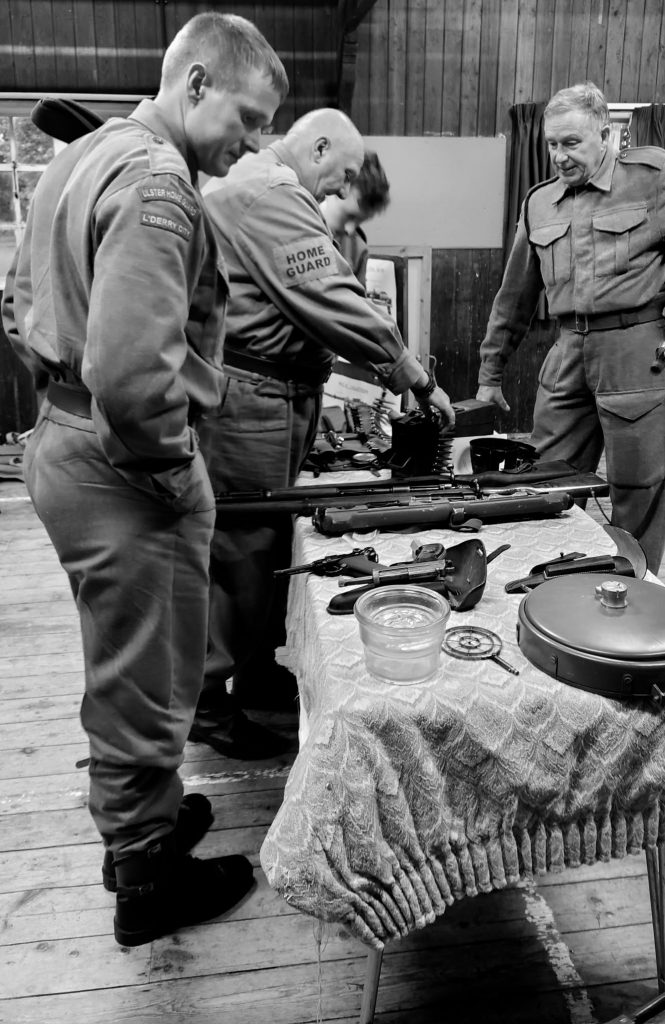
Members also had the opportunity to examine two iconic German rifles, the Gewehr 98 and the Karabiner 98k. The Gewehr 98, introduced before the First World War, laid the foundations for German military rifle design for decades to come. Its shorter descendant, the Karabiner 98k, became the standard German service rifle of the Second World War and was encountered on battlefields throughout Europe, North Africa and the Eastern Front.
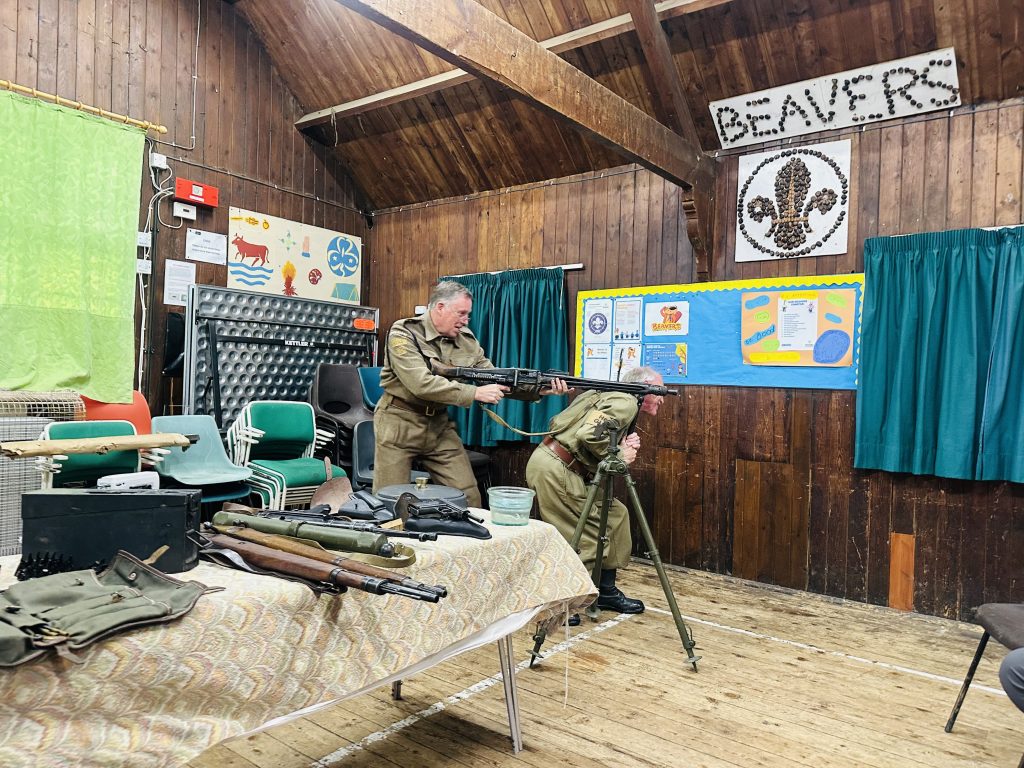
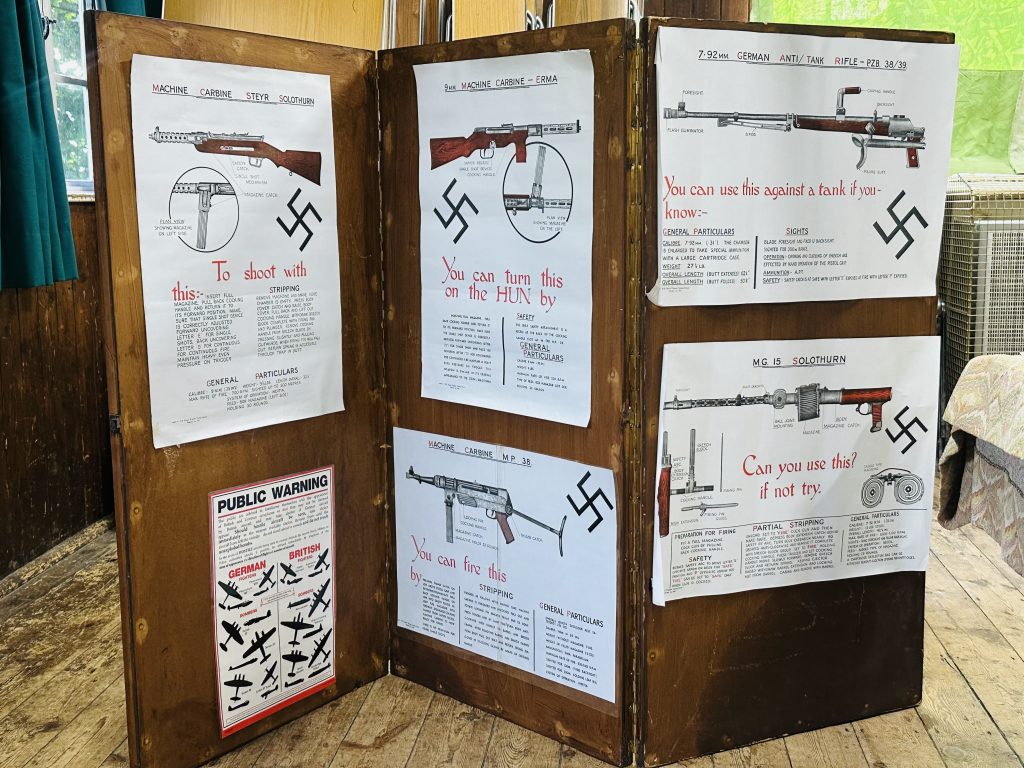
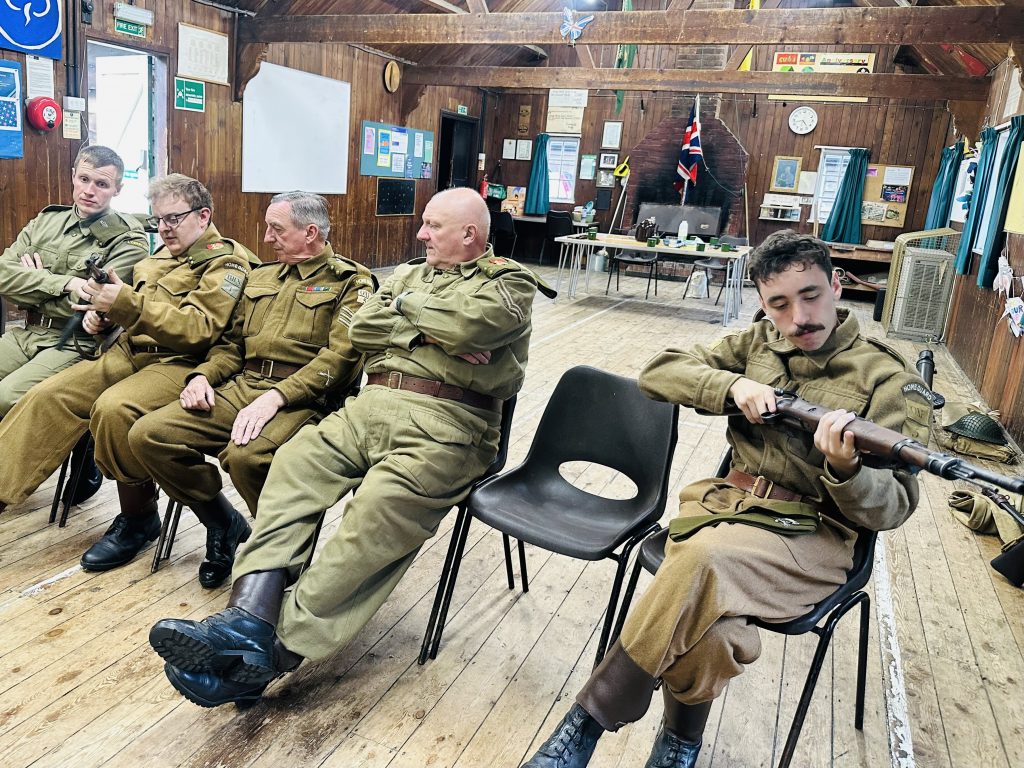
The evening also covered German explosive devices, including a Tellermine anti-tank mine and a Glass Mine. The latter demonstrated the ingenuity of German wartime engineering, being designed with minimal metal content to make detection considerably more difficult than conventional mines.
Being able to handle original equipment and hear the stories behind it provided a valuable insight into the weapons our wartime predecessors may have encountered had invasion ever come to Britain.
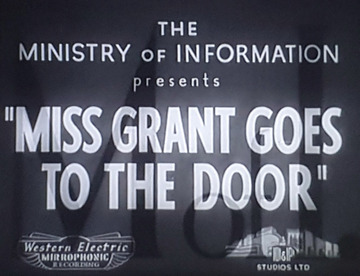
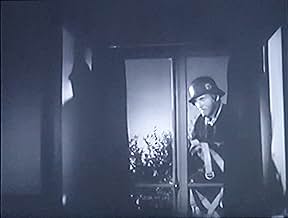

The evening concluded with a screening of the wartime film Miss Grant Goes to the Door. Produced during the war itself, the film highlighted the dangers facing the Home Front and the importance of vigilance in spotting suspicious activity and potential enemy agents. One amusing detail noted by the group was that the filmmakers clearly had limited access to authentic German weaponry. Despite portraying German personnel, the protagonists are noticeably armed with Allied weapons throughout the film, something that would not escape the attention of modern enthusiasts.
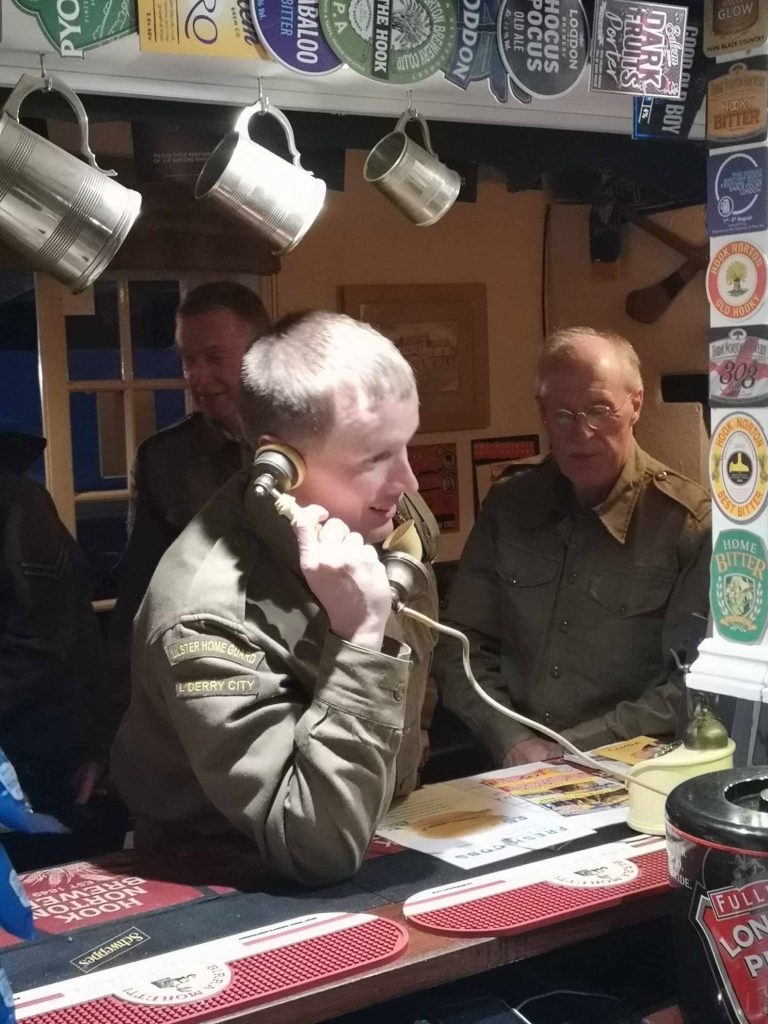
As ever, training was followed by a visit to the local hostelry, where discussions on German weapons, wartime films and Home Guard history continued long into the evening.
A thoroughly enjoyable and educational night, combining practical training, historical knowledge and good company in equal measure.
No responses yet