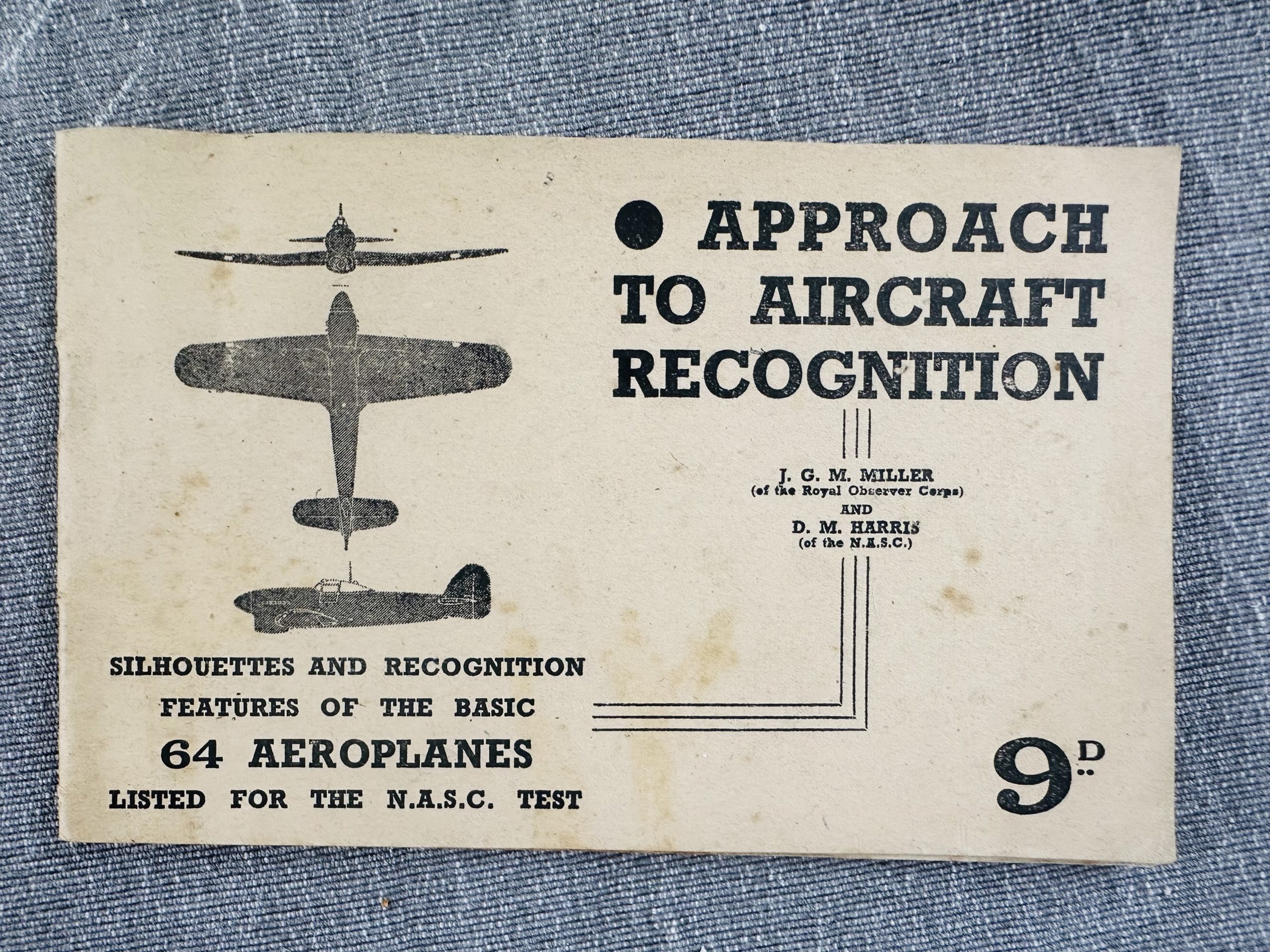
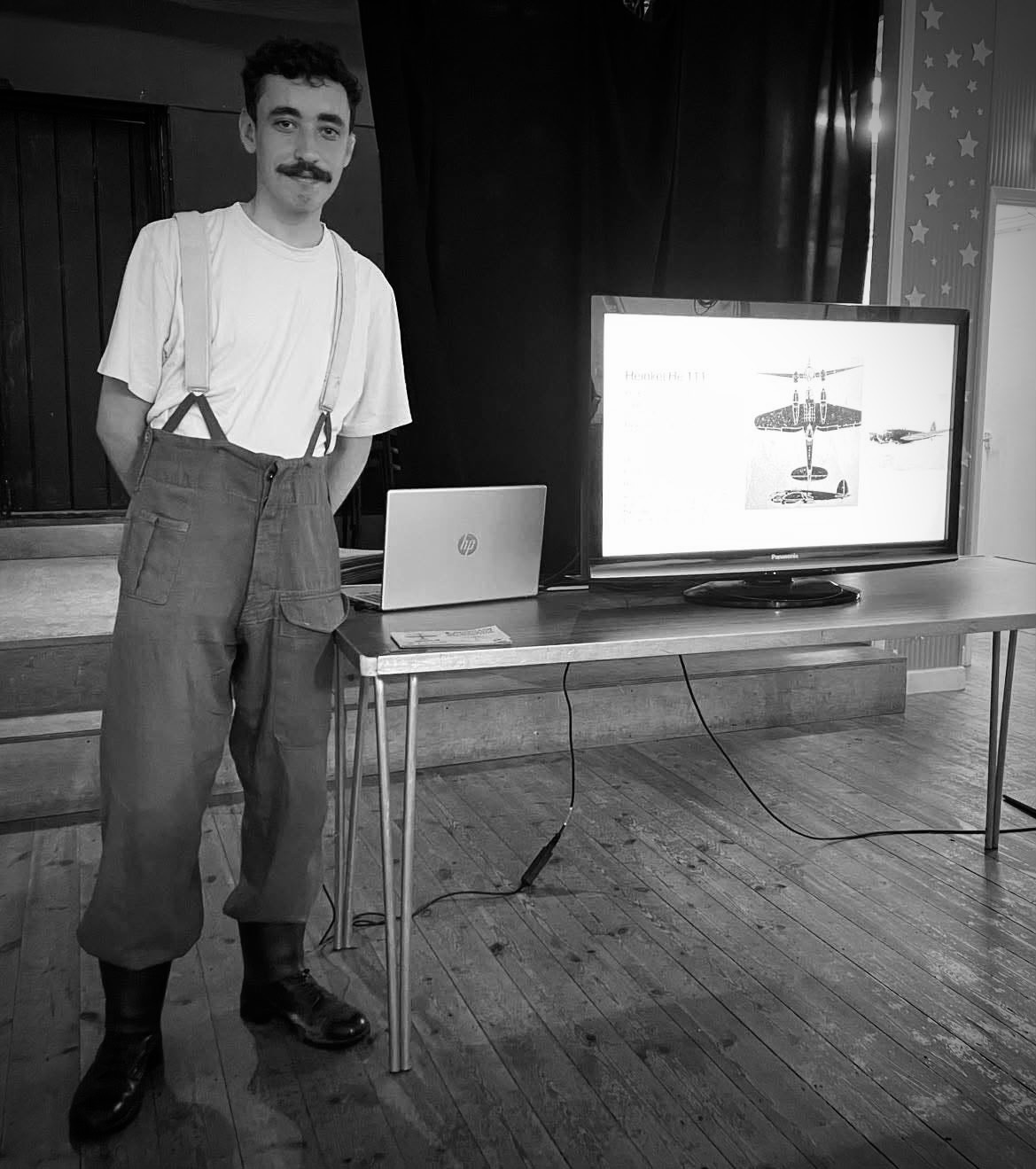
The Redline Home Guard training evening on Friday, 19th June 2026, saw members turning their attention skywards as Pte H. Gleave delivered an informative and detailed presentation on wartime aircraft recognition.
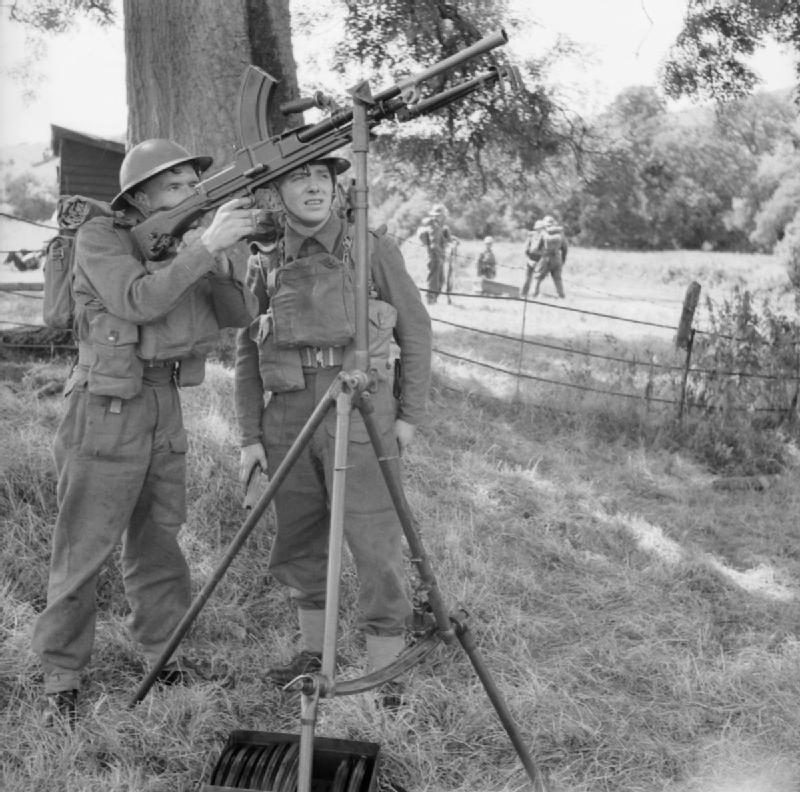
As usual, the evening began outdoors with a period of drill. Making the most of the fine weather, the section took the opportunity to march through the streets of South Stoke, providing good practical training and no doubt attracting a few curious glances from residents. Recruit Volunteer Allwood fitted in well with the rest of the group and quickly got into the swing of things.
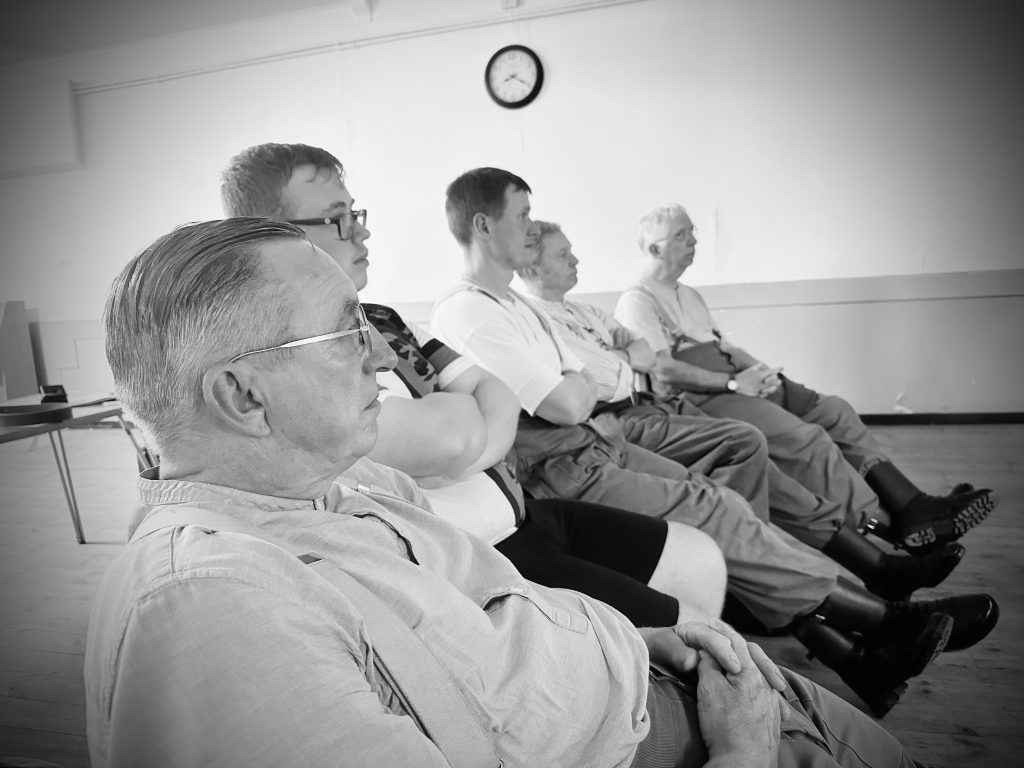
After drill, the section moved indoors for the evening’s main activity. Pte Gleave opened the presentation by explaining the importance of aircraft recognition during the Second World War. For members of the Home Guard and other observers, correctly identifying aircraft could be a matter of national importance. Reporting the movement of enemy aircraft was vital, but equally important was avoiding the embarrassment, and danger, of mistaking friendly aircraft for hostile ones.
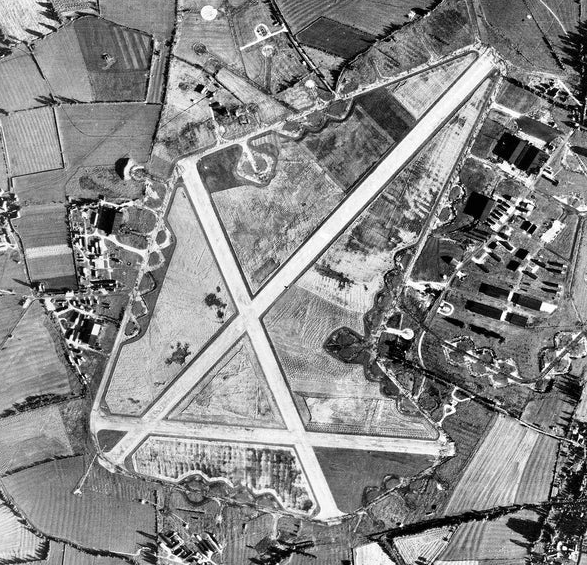
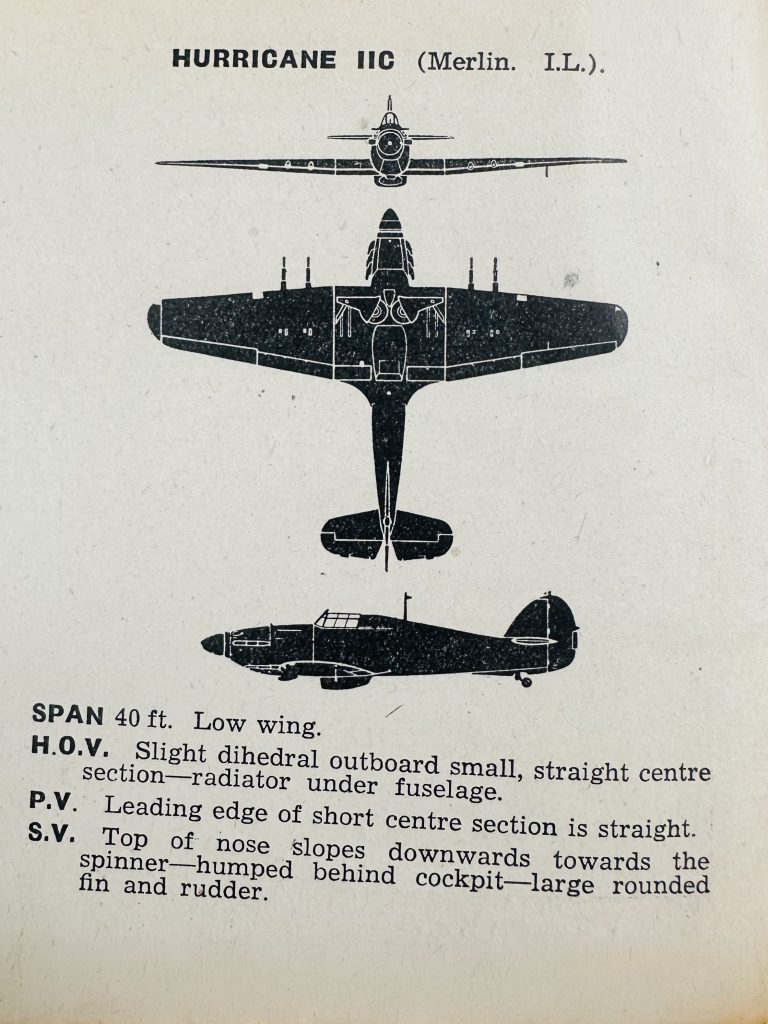
The talk therefore began with what not to shoot at, namely Allied aircraft. Starting with single-seat fighters, members learned the distinguishing features of some of the most common aircraft they would have expected to see over southern England. Particular attention was paid to the aircraft most likely to be encountered locally, along with the nearby airfields from which they operated.
The presentation then moved on to larger aircraft, including bombers and transport types. By comparing silhouettes, engine arrangements, tail designs and wing shapes, members gained an appreciation of the techniques wartime observers used to identify aircraft quickly and accurately.
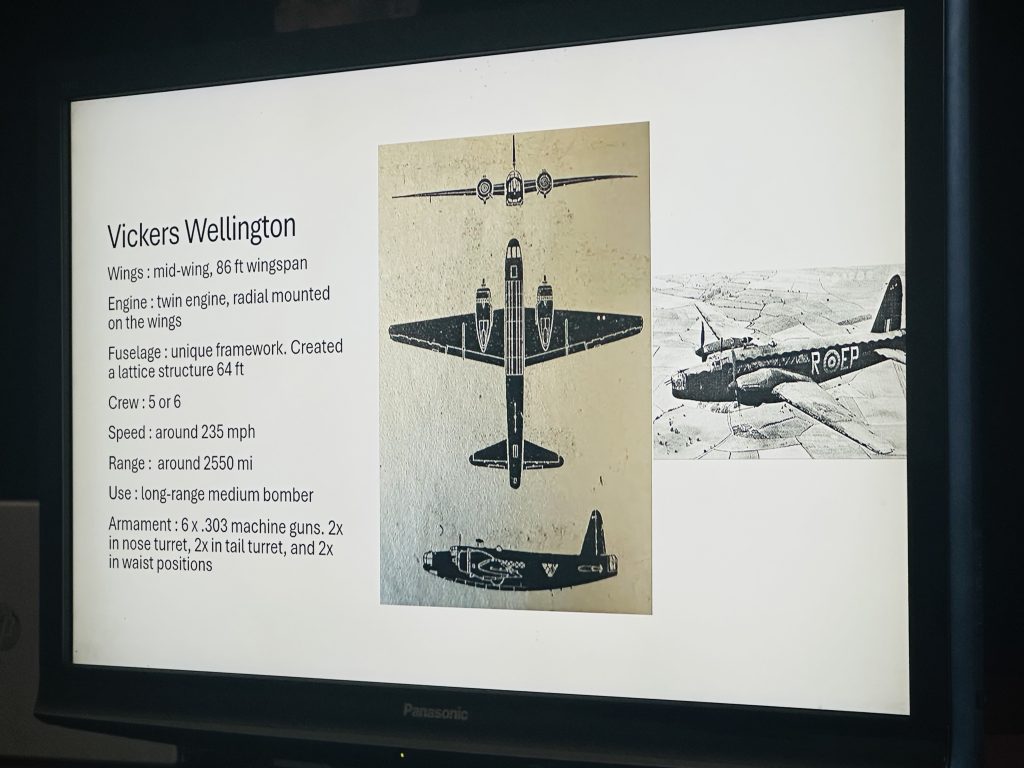
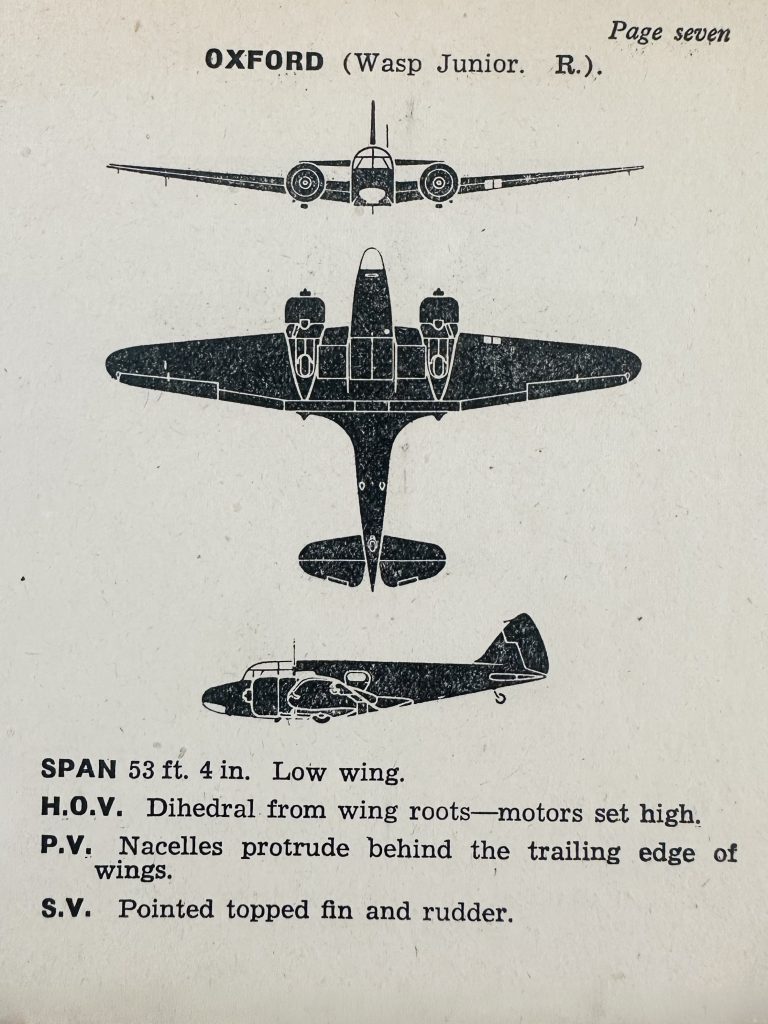
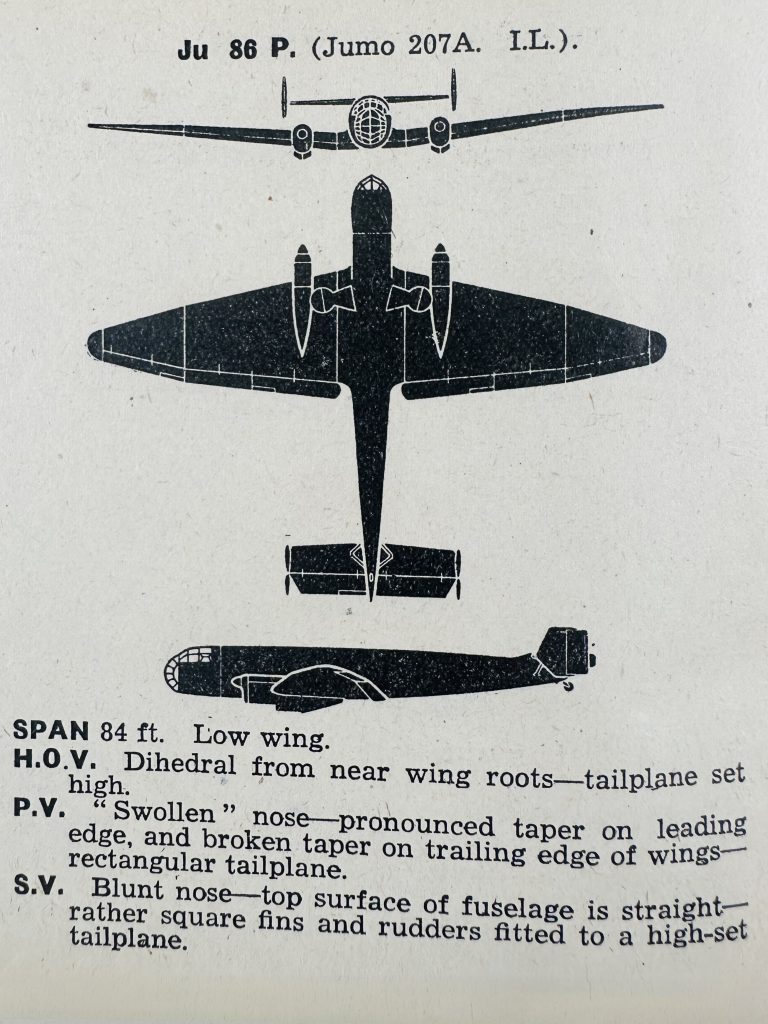
Having covered the Allied aircraft most likely to be seen over Oxfordshire and Berkshire, attention then turned to the enemy. Starting with German fighters and progressing through to bomber aircraft, Pte Gleave highlighted the key features that distinguished Axis aircraft from their Allied counterparts.
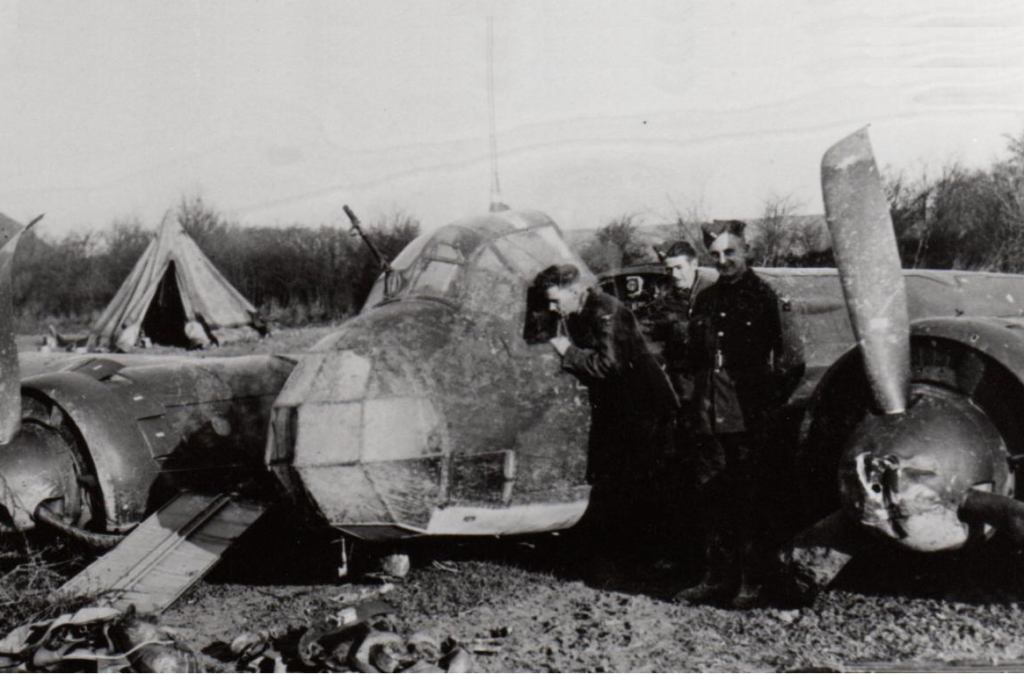
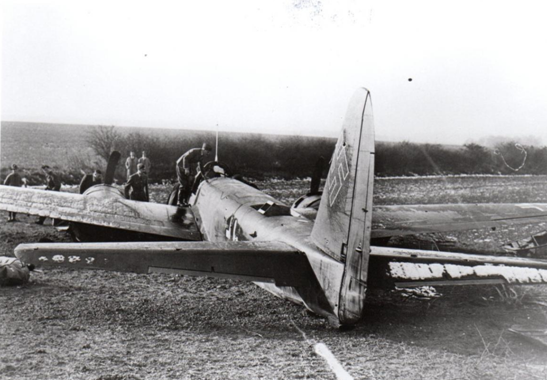
To bring the subject closer to home, the talk also explored several wartime incidents involving German aircraft in the local area. Among these was the story of a Junkers Ju 88 which crashed just south of Blewbury, providing a tangible reminder that the air war was not something that happened only over distant battlefields. Pte Gleave also discussed German attacks on nearby towns, including a raid in which two Dornier Do 217 bombers followed the Great Western Railway west from London. One aircraft reached Reading at 4.34pm before a second arrived over Newbury eight minutes later. As well as dropping 1,000lb bombs, the raiders strafed both towns with machine-gun fire, while the aircraft over Newbury also released a number of smaller bombs. These local incidents helped bring the subject to life and highlighted just how close the realities of the air war came to communities across Berkshire and Oxfordshire.
The evening proved both informative and engaging, with plenty of discussion throughout and a great deal of knowledge shared. Whether experienced members or newer recruits, everyone came away having learned something new about a skill that was of genuine importance to the wartime Home Guard.
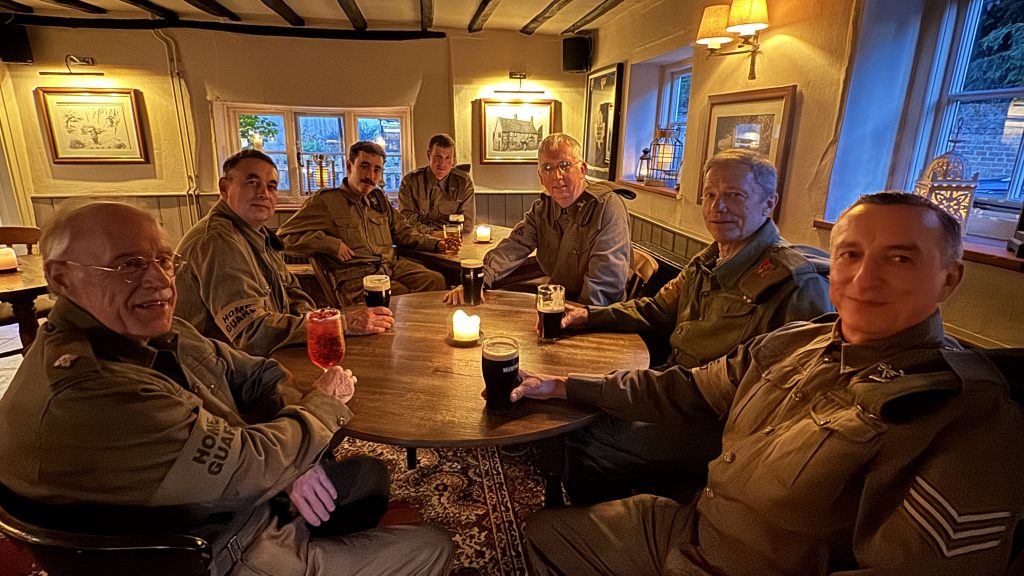
As is Redline tradition, the evening concluded with a visit to the local hostelry, where further discussion and refreshments rounded off another successful training night.
No responses yet