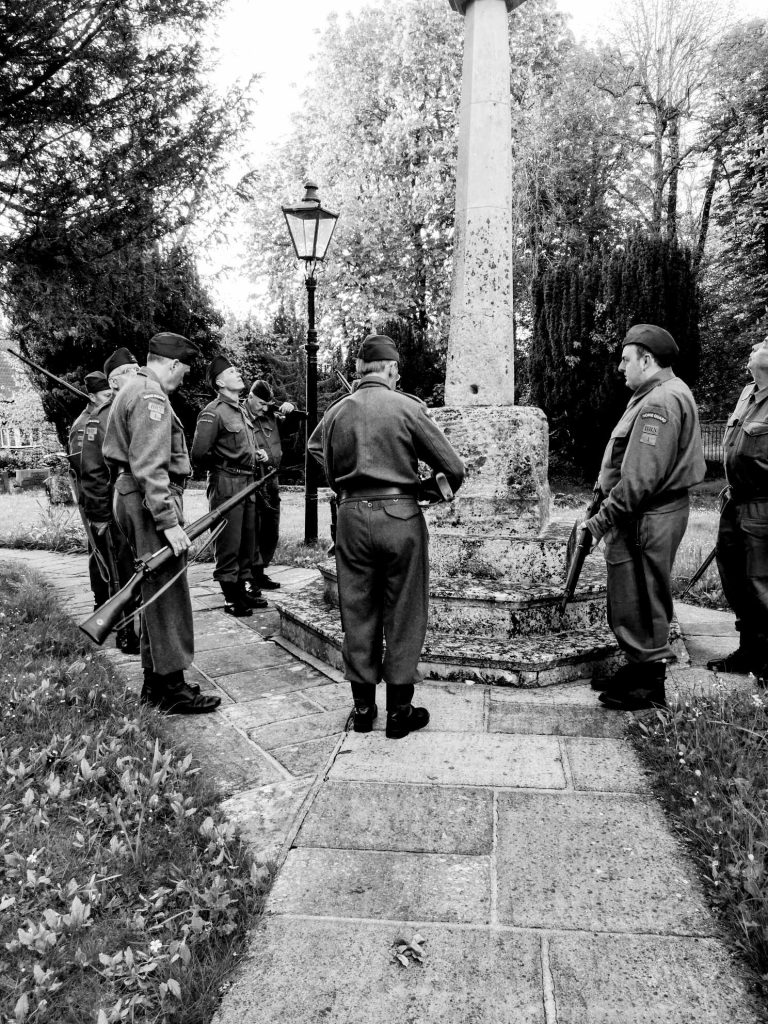
This week, Redline Home Guard travelled to a new training location at Sparsholt, near Wantage, for a fascinating evening focused on wartime radios and signalling equipment. Before the session began, and while there was still some daylight remaining, members took the opportunity to visit the village war memorial in the churchyard opposite the village hall, spending a few moments reflecting on the local men commemorated there before the evening’s training got underway.
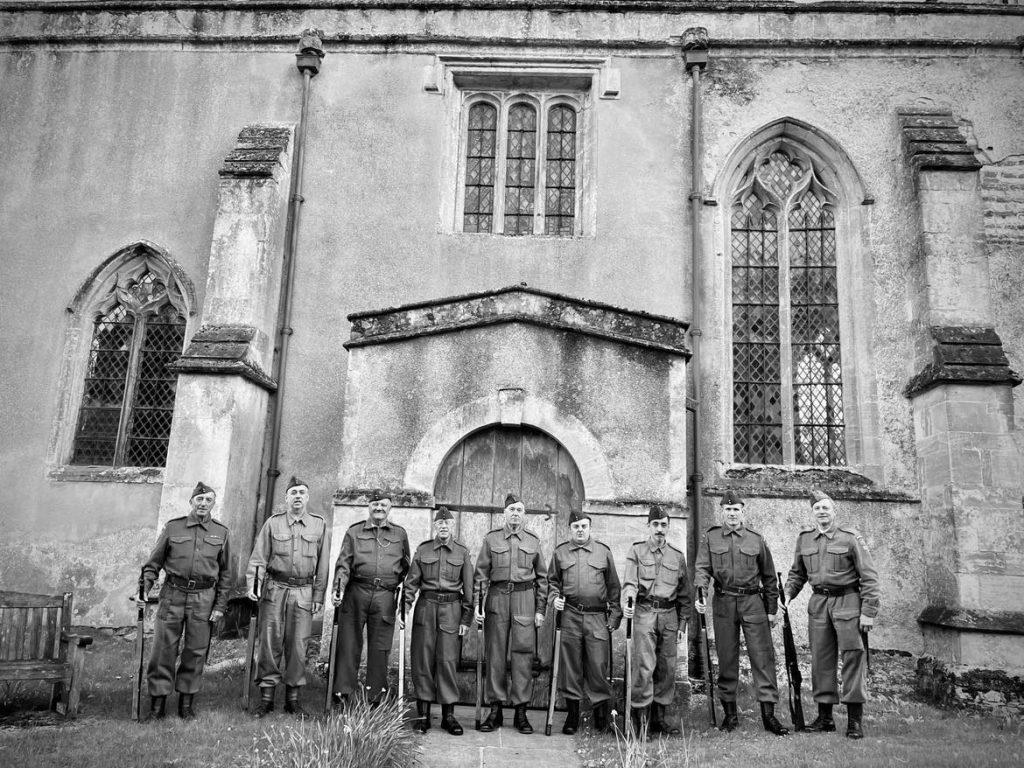
The session was led by Pte Martin, whose extensive knowledge and impressive collection of military radio sets made for a highly informative and hands-on evening. A wide range of original equipment was on display, covering the types of communication systems that would have been used by British forces and Home Guard units during the Second World War.
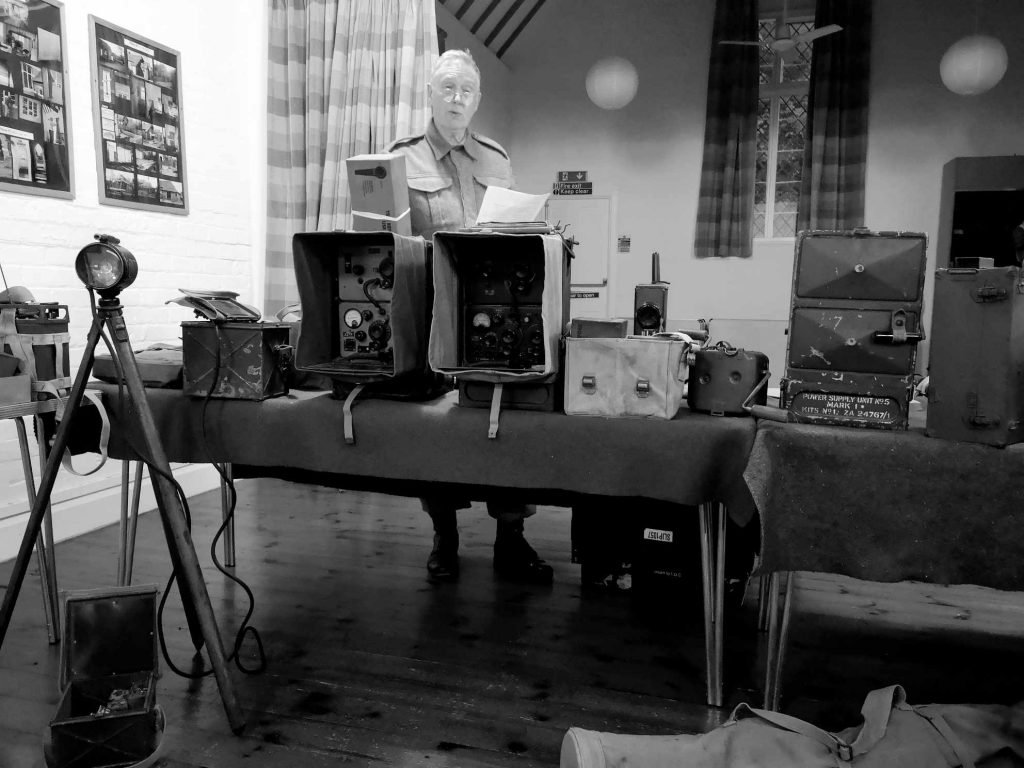
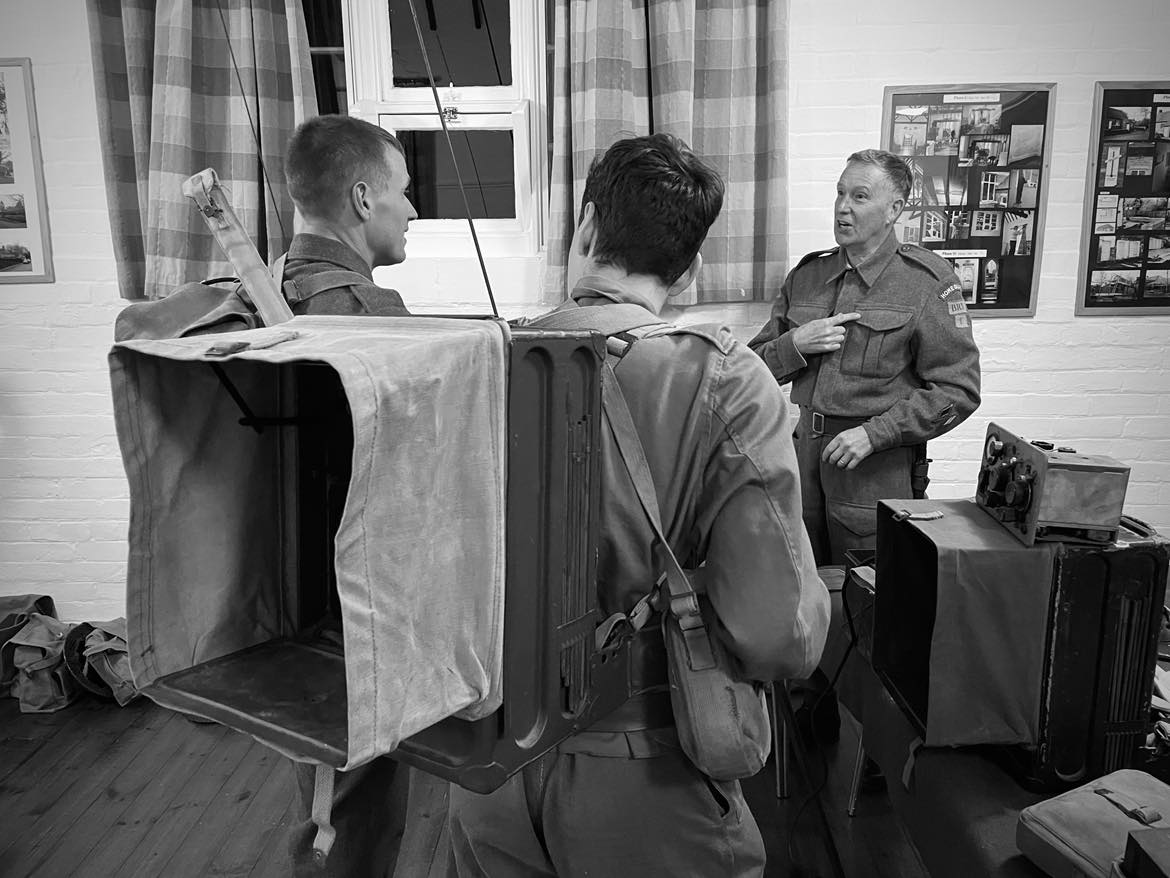
Throughout the evening, Pte Martin talked the platoon through the various radio sets, explaining their purpose, operation, advantages and limitations, along with the technical specifications and practical realities of using them in wartime conditions. Equipment on display included the compact Wireless Set No.38, commonly associated with Home Guard and infantry use, another set used by the Home Guard, the Canadian-built Wireless Set No.58, the larger No.68 manpack set and the substantial Wireless Set No.22, designed for vehicle-mounted or base station operation and heavy enough to require a crew of three to move effectively in the field. The No.18 set was also discussed, particularly its similarities in layout and function to the No.68 set.
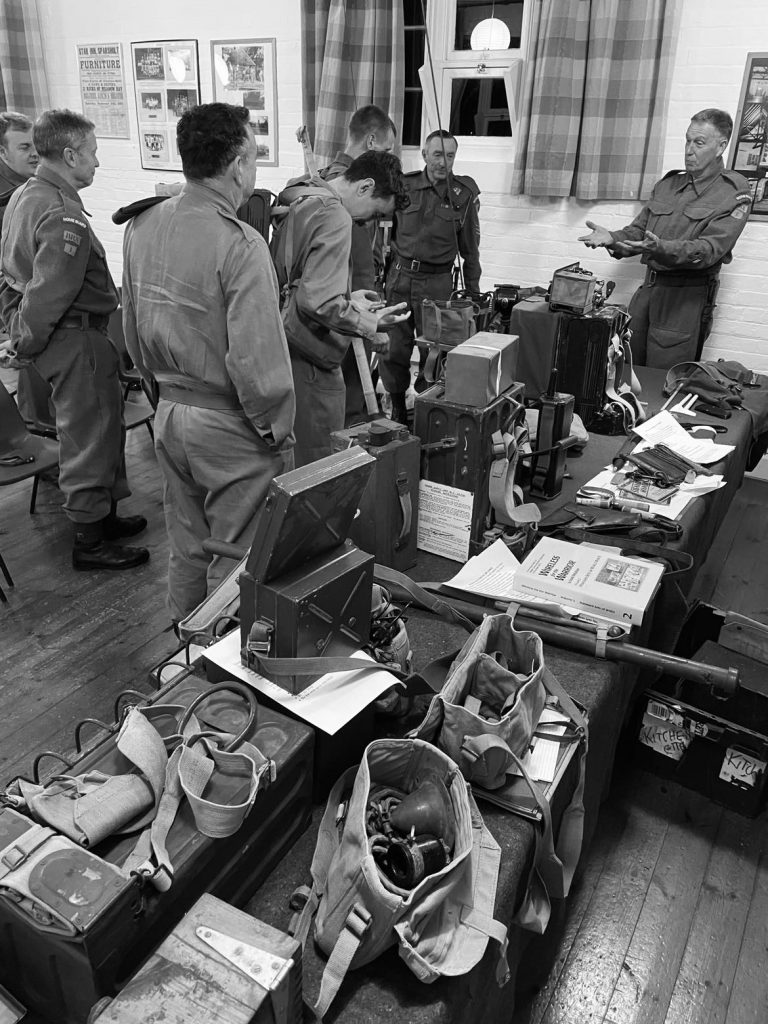
What made the evening particularly memorable was seeing many of the sets actually operating. At one point, the No.38 set unexpectedly picked up various transmissions and noises over the airwaves, including something that sounded remarkably like an Indian radio broadcast, adding a very authentic touch to the evening and demonstrating just how unpredictable wartime radio communications could be.
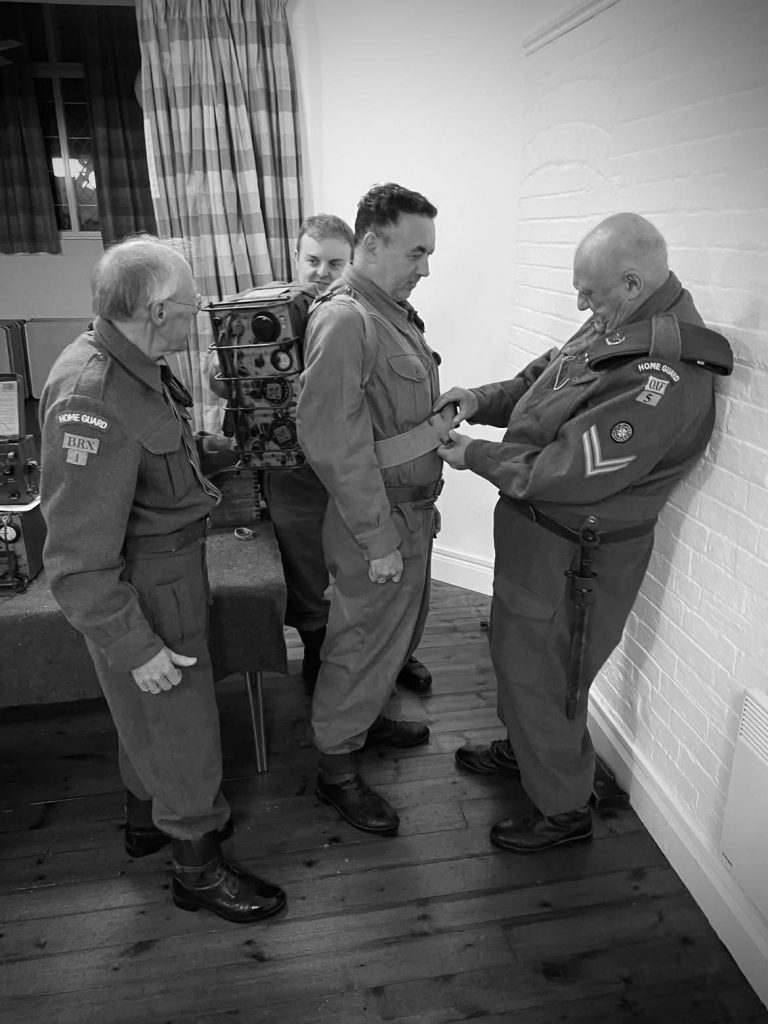
Members were also able to handle and wear several of the sets, experiencing first-hand what it would have been like operating them in the field. The weight of some of the equipment was considerable, especially once batteries and full kit were taken into account, giving everyone a new appreciation for the work carried out by wartime signallers.
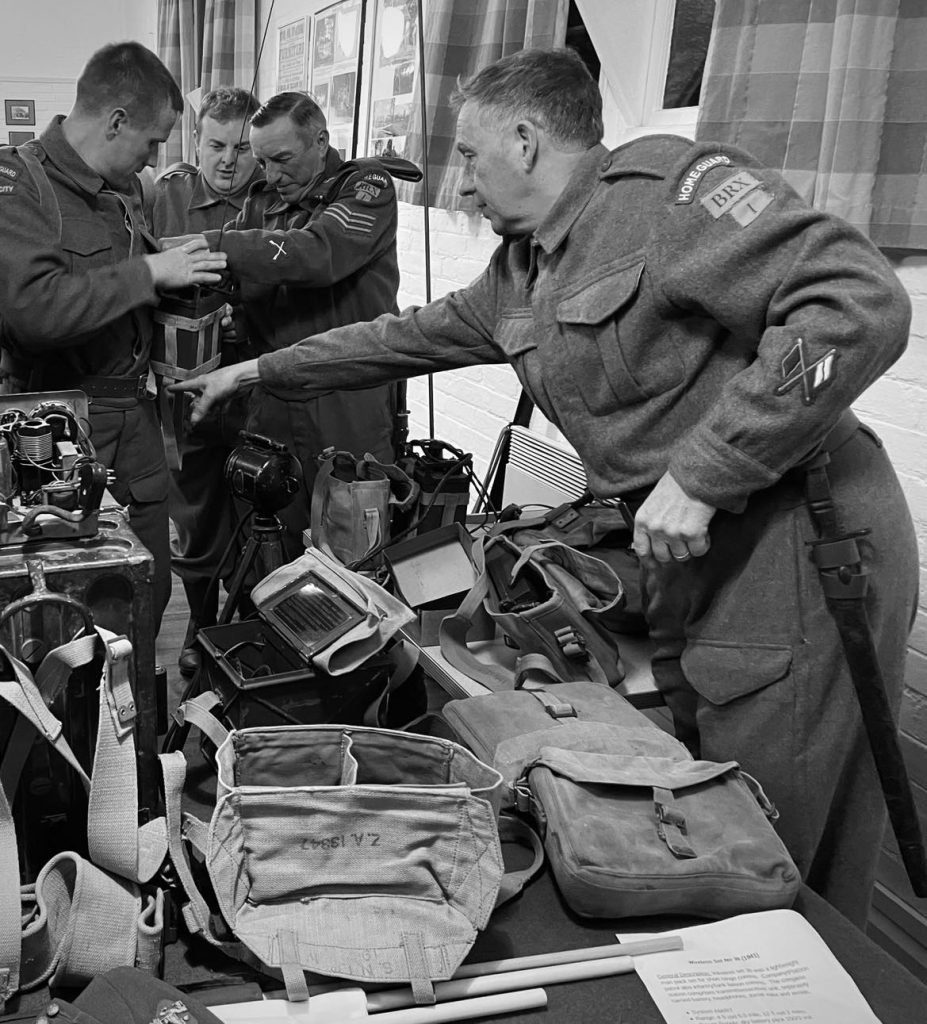
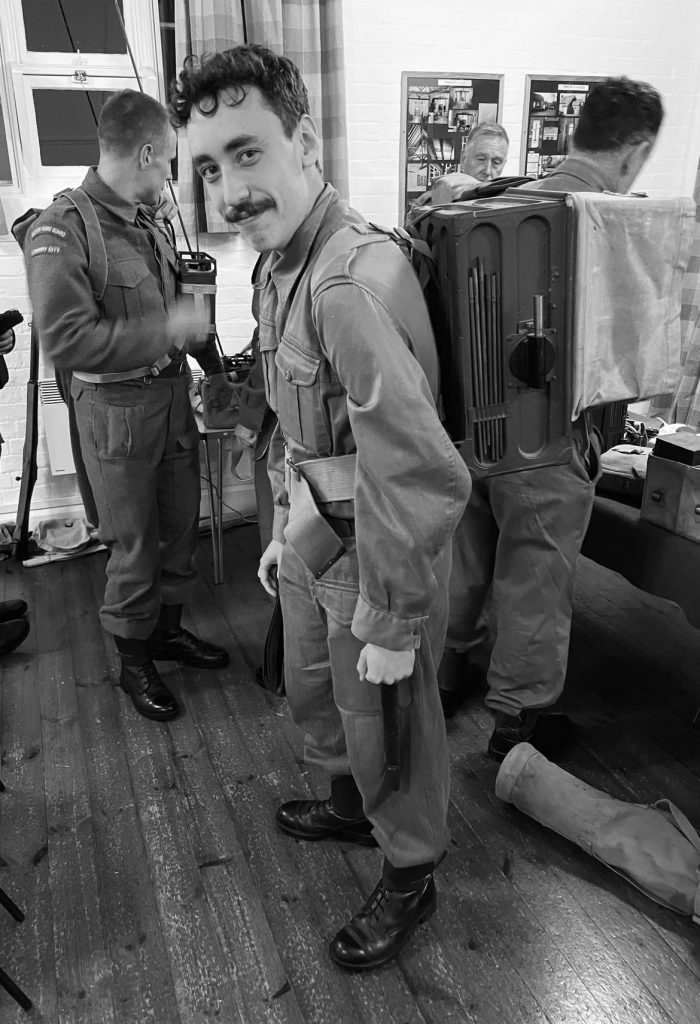
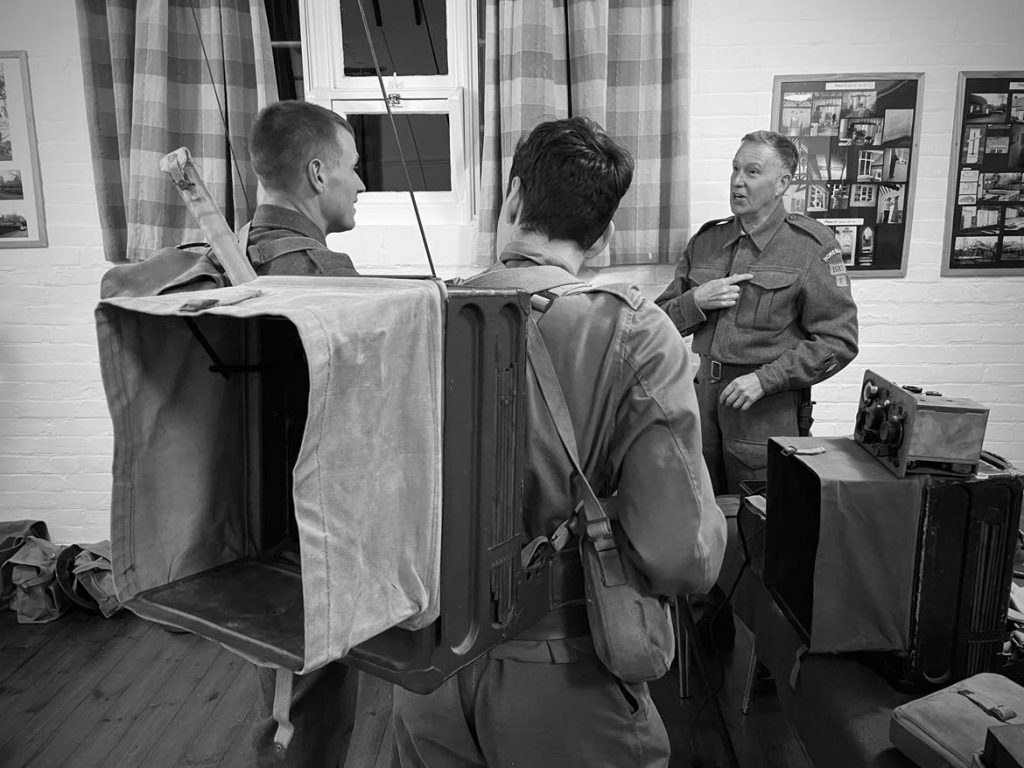
Alongside the radios themselves, a variety of signalling equipment was also displayed, helping demonstrate the many different ways messages could be passed between units during the war, particularly where radio silence or damaged communications made alternative methods necessary.
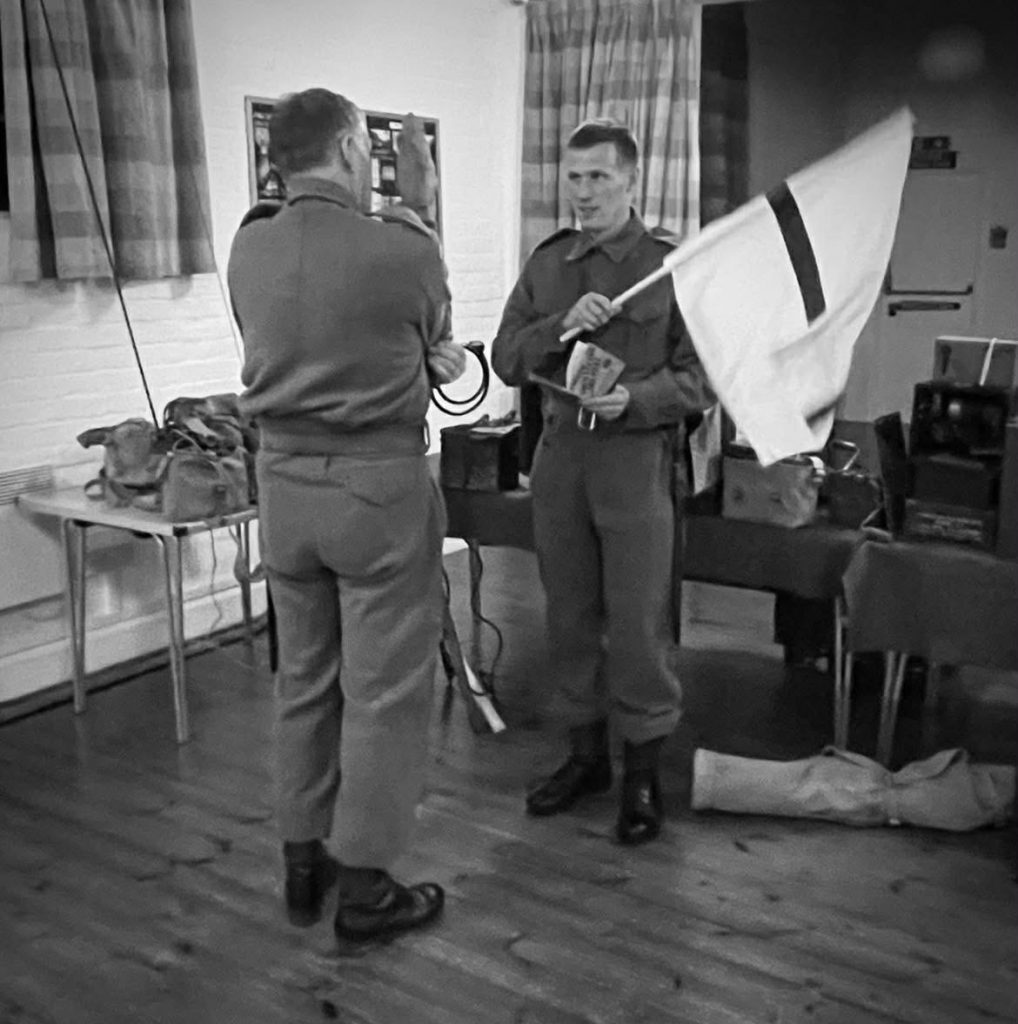
Pte Martin’s depth of knowledge was evident throughout the evening, and his collection is undoubtedly one of the finest many of us have seen for this type of equipment. The combination of technical detail, historical context and practical handling made for an excellent training session and gave members a far greater appreciation for the importance of battlefield communications.
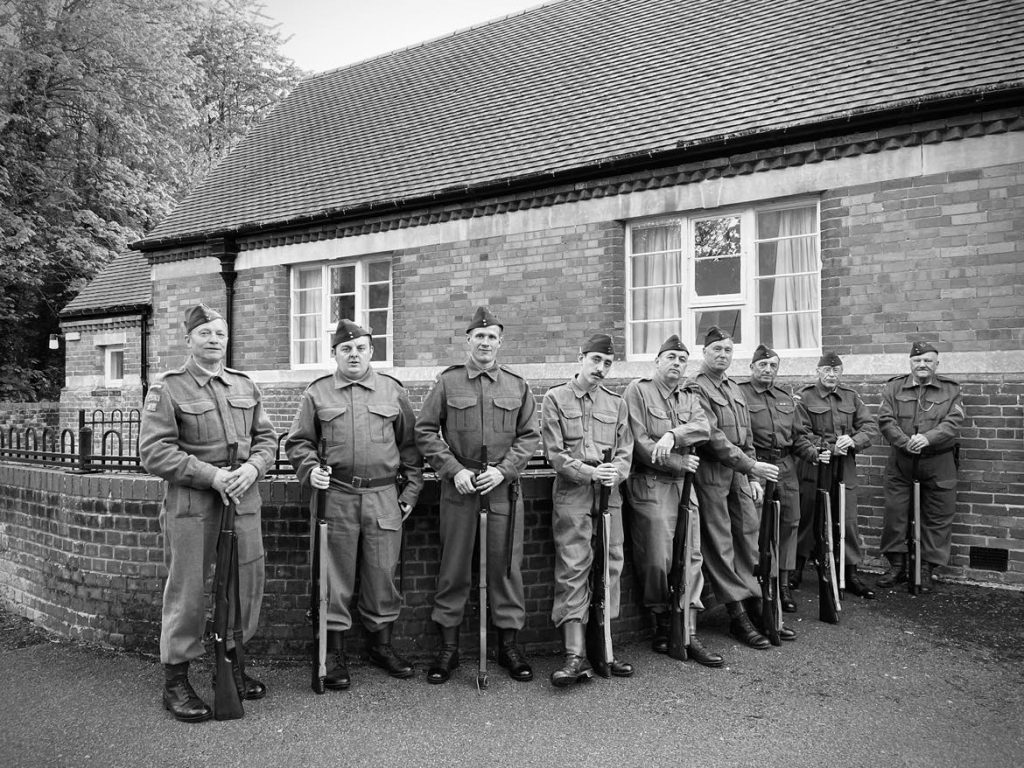
A huge thank you to Pte Martin for hosting the evening and sharing both his expertise and collection with the group. It was another excellent Redline training night and a fantastic opportunity to learn more about an often overlooked aspect of wartime service.
No responses yet