
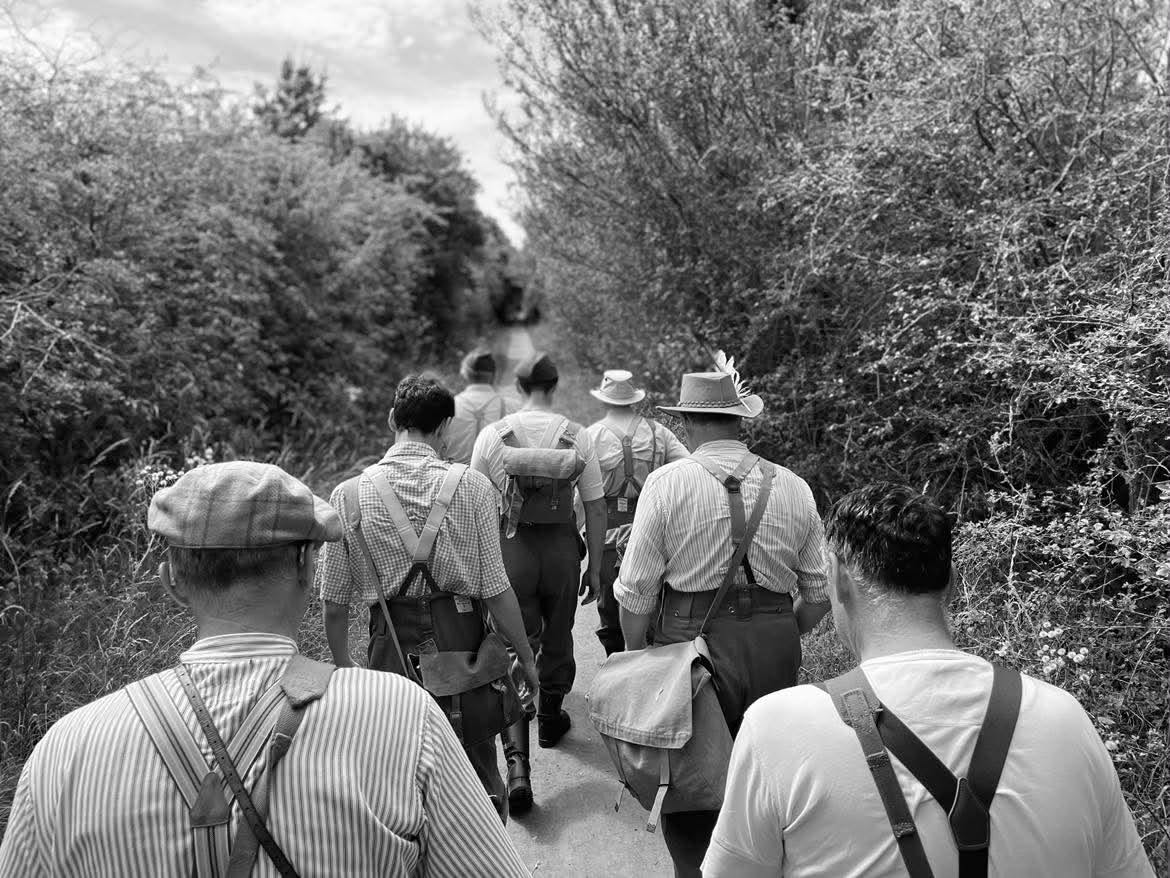
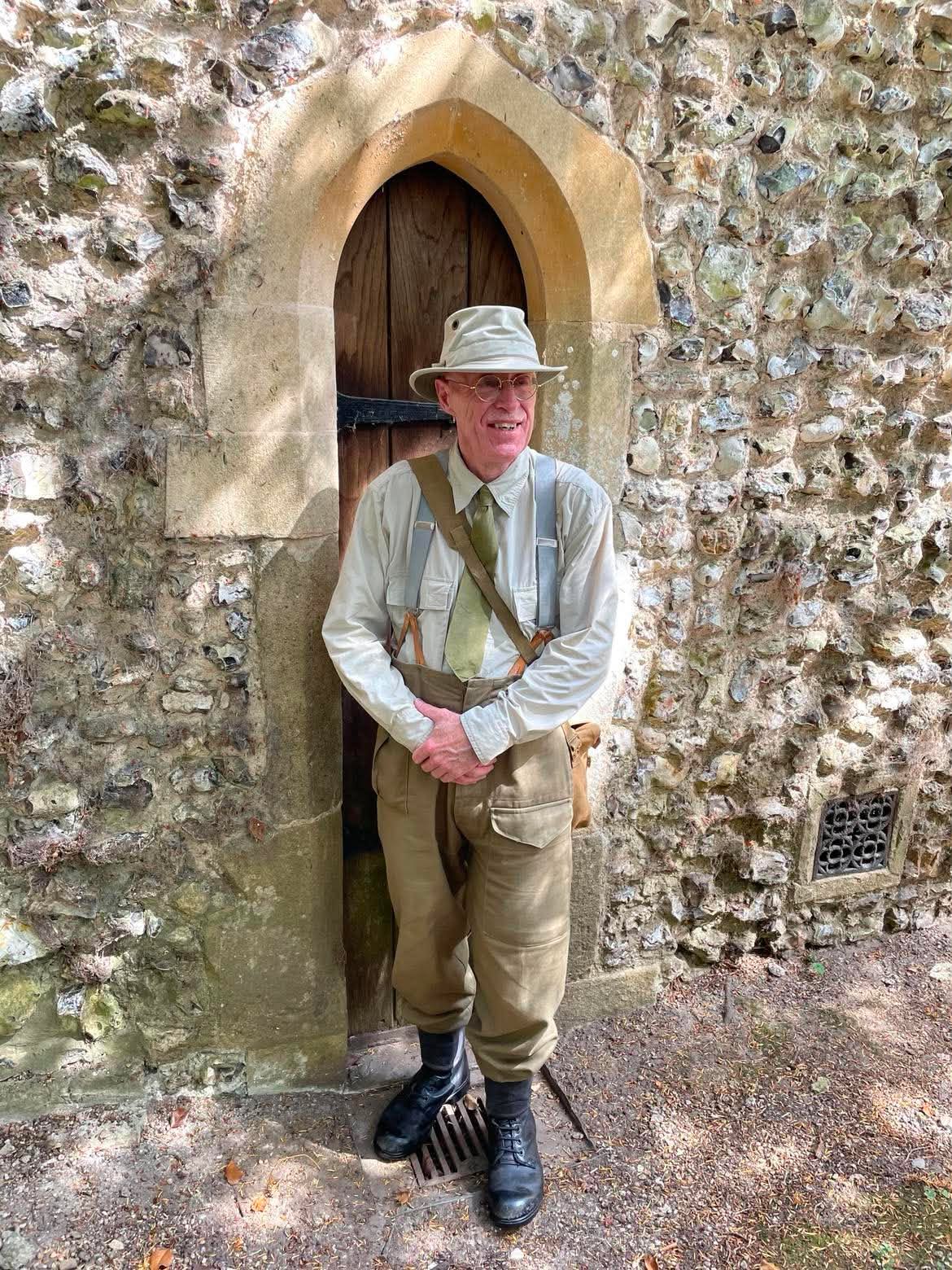
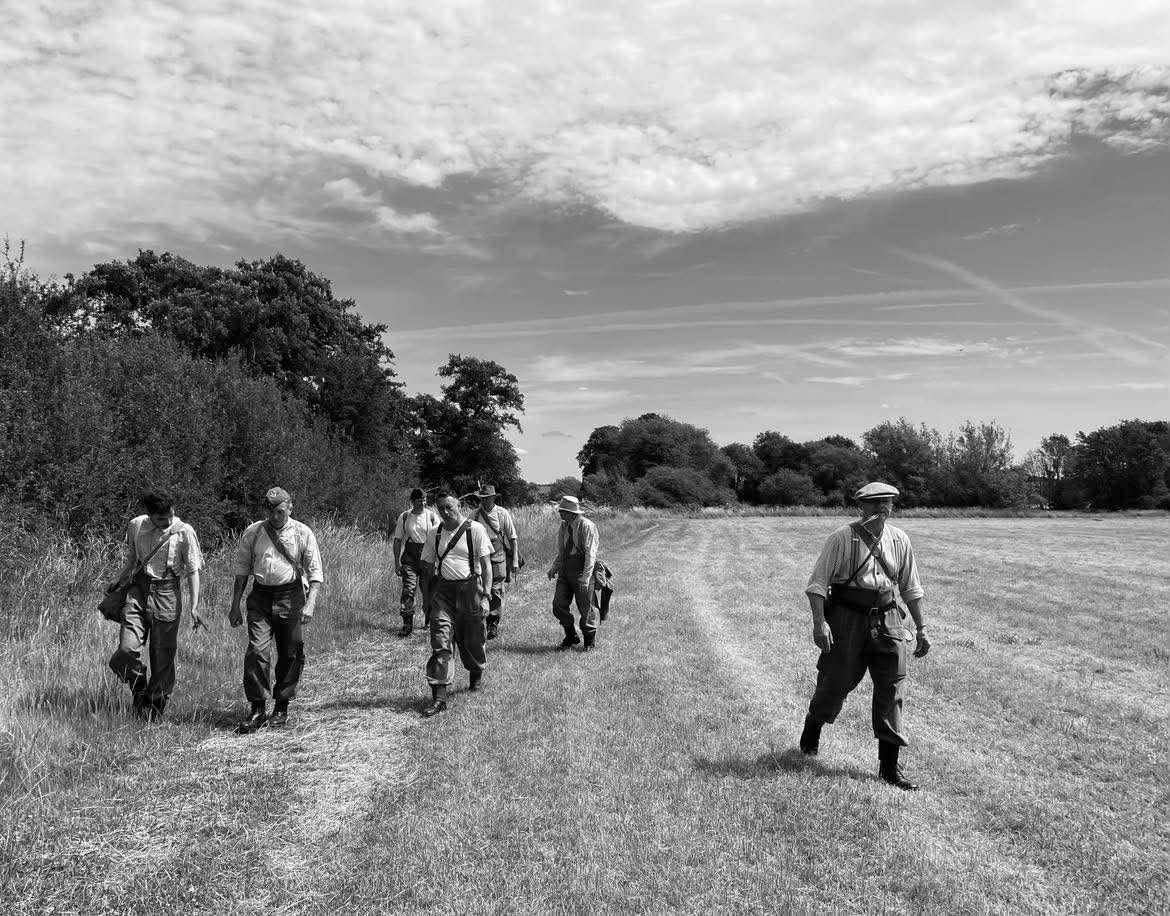
Today, eight members of the Redline Home Guard took part in our annual Tom Jewitt Memorial Walk, retracing the route taken by Home Guard volunteer Tom Jewitt on the night of 1st June 1940.
Despite the soaring temperatures and the hottest conditions many of us have experienced on the walk, the group completed the route in good spirits. Pleasingly, four of those taking part were completing the memorial walk for the very first time, ensuring that Tom’s story continues to be passed on to new generations of members.
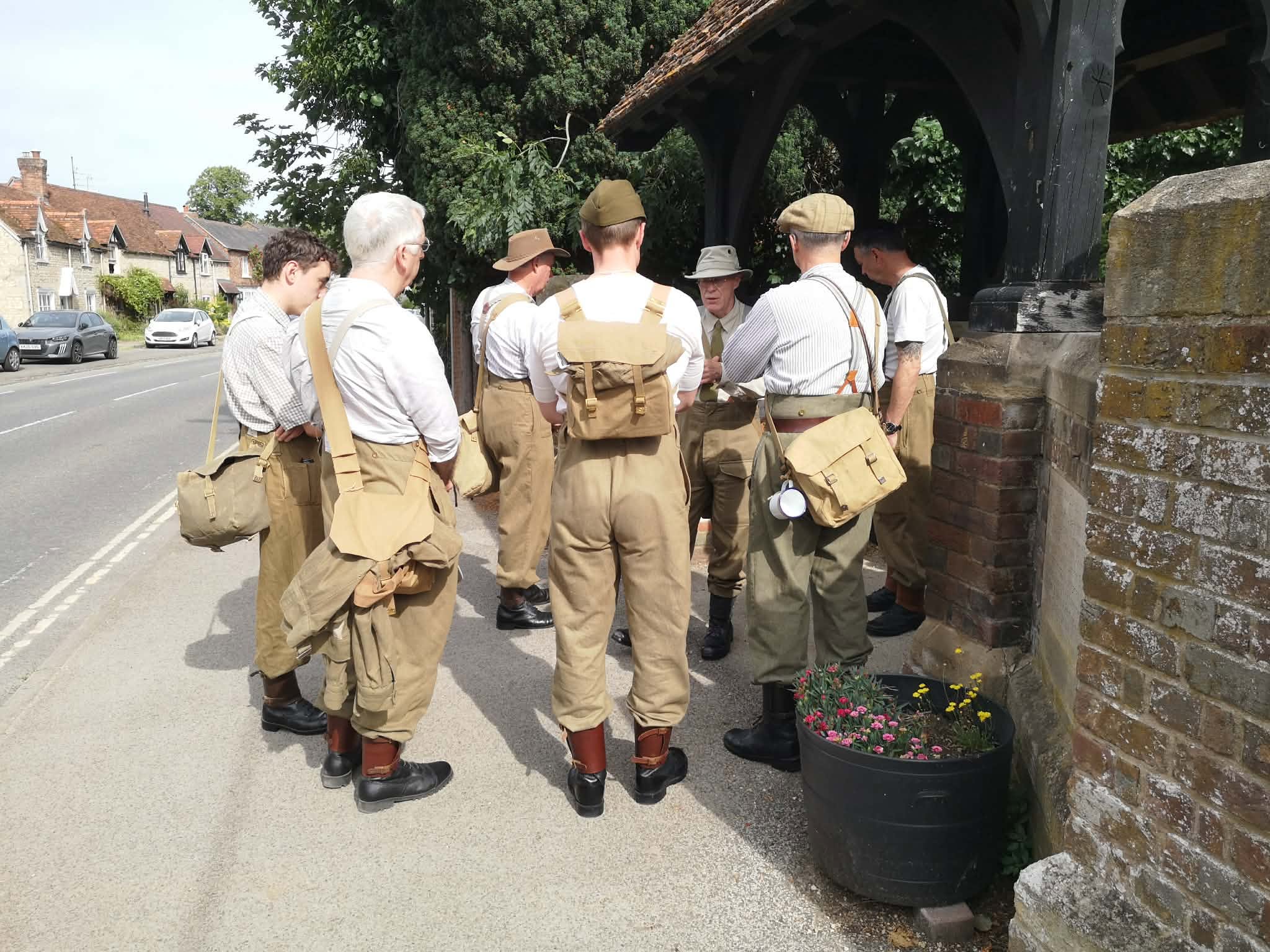
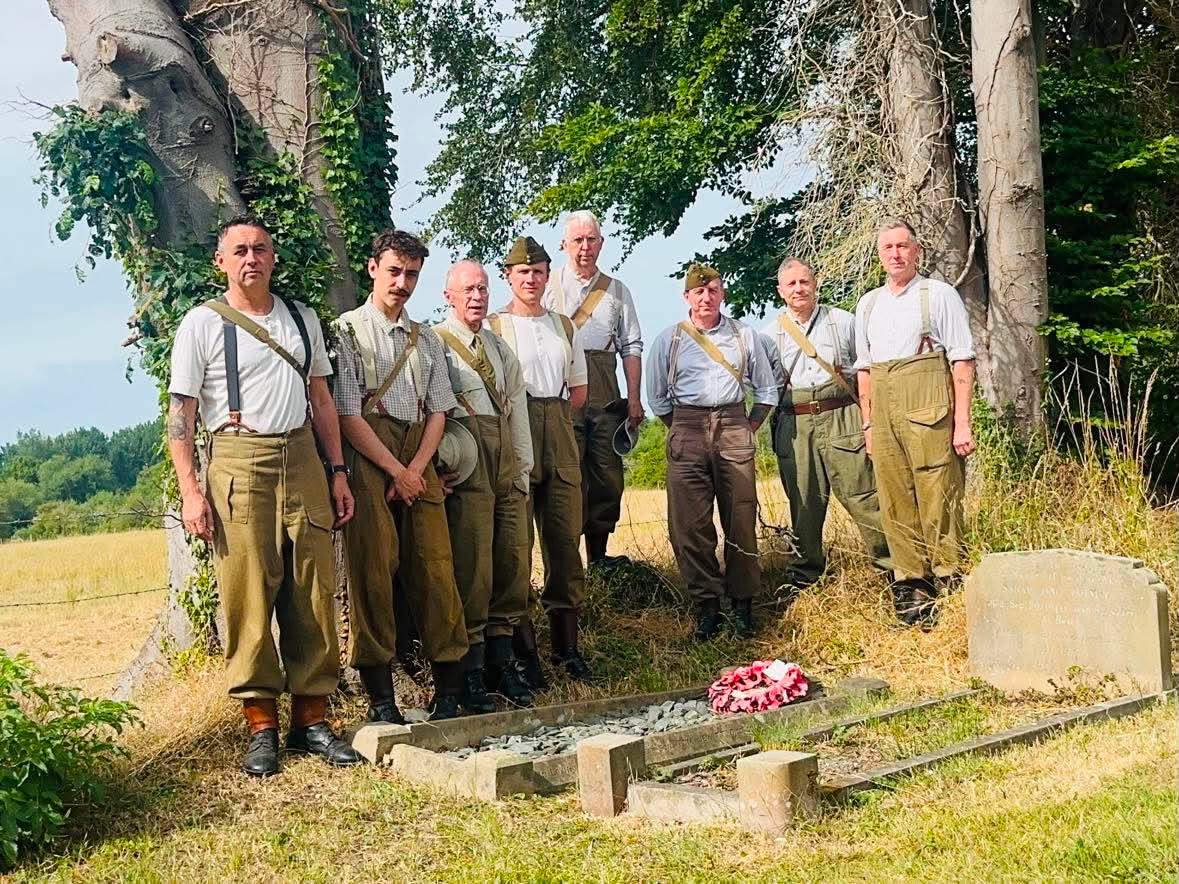
As in previous years, we began our journey at St Mary Magdalene Church in Crowmarsh, where Tom’s name is commemorated on the war memorial at the lych gate. We also paused at Tom’s grave in nearby Newnham Murren, taking time to remember the man whose sacrifice we continue to honour some 86 years later.
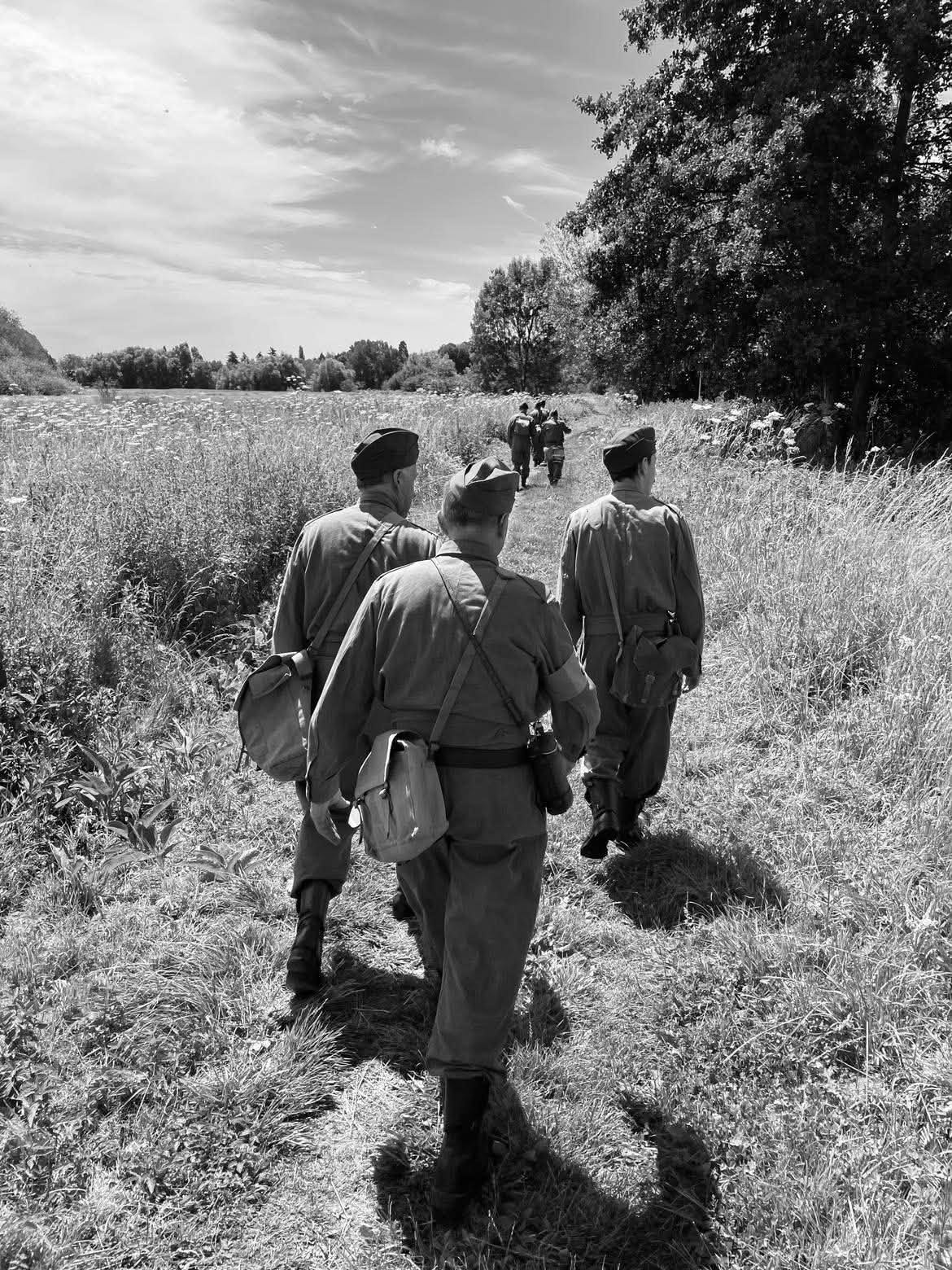
One of the enduring mysteries surrounding Tom’s final patrol is exactly how he travelled from his home in Crowmarsh to his post near Moulsford Viaduct. Did he cycle? Was he transported by lorry or another vehicle? Or did he make the journey on foot, as we do each year? The truth has sadly been lost to history, but by walking the route ourselves we gain at least a small appreciation of the distance involved and the commitment shown by Home Guard volunteers carrying out their duties.
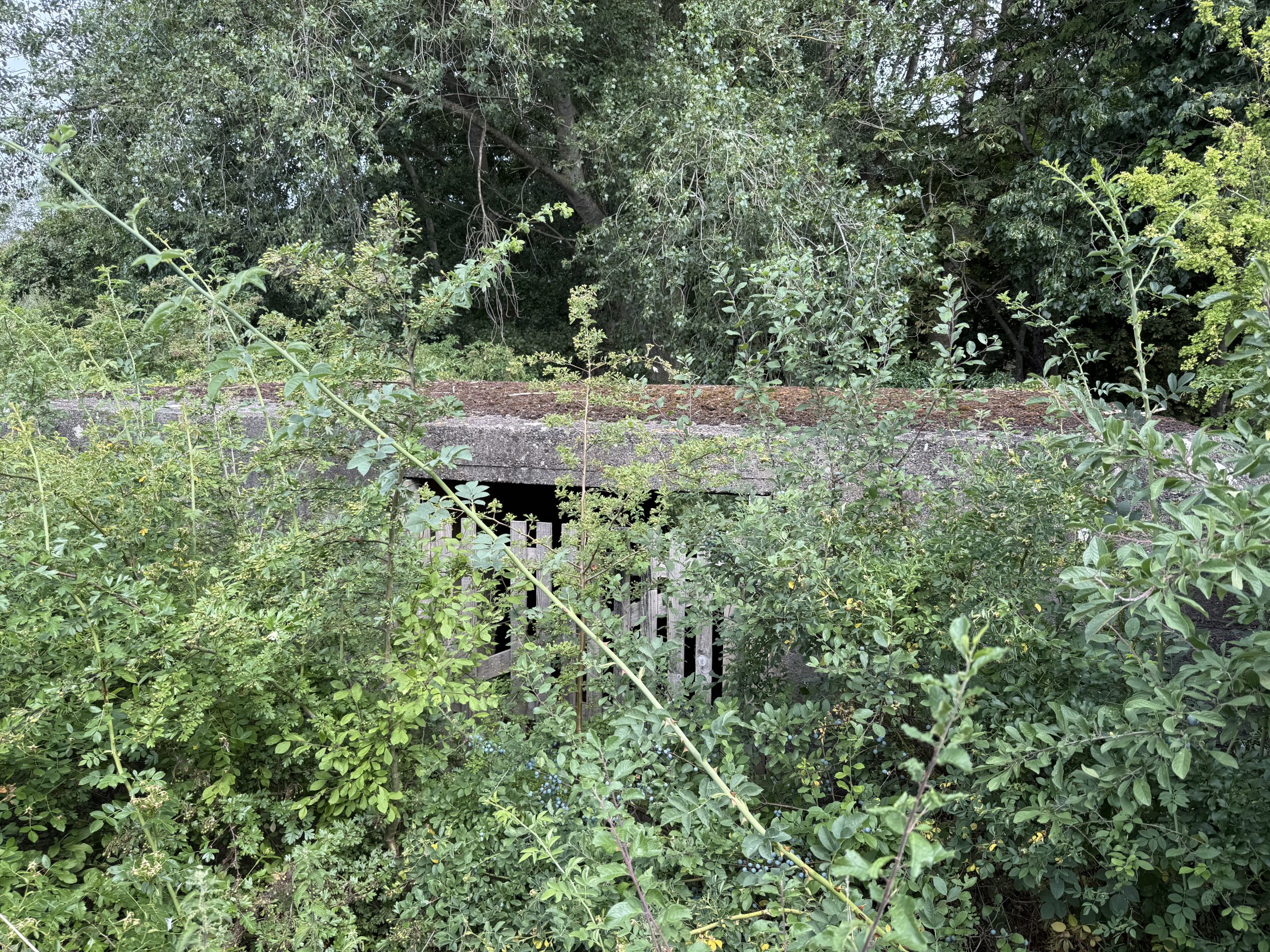
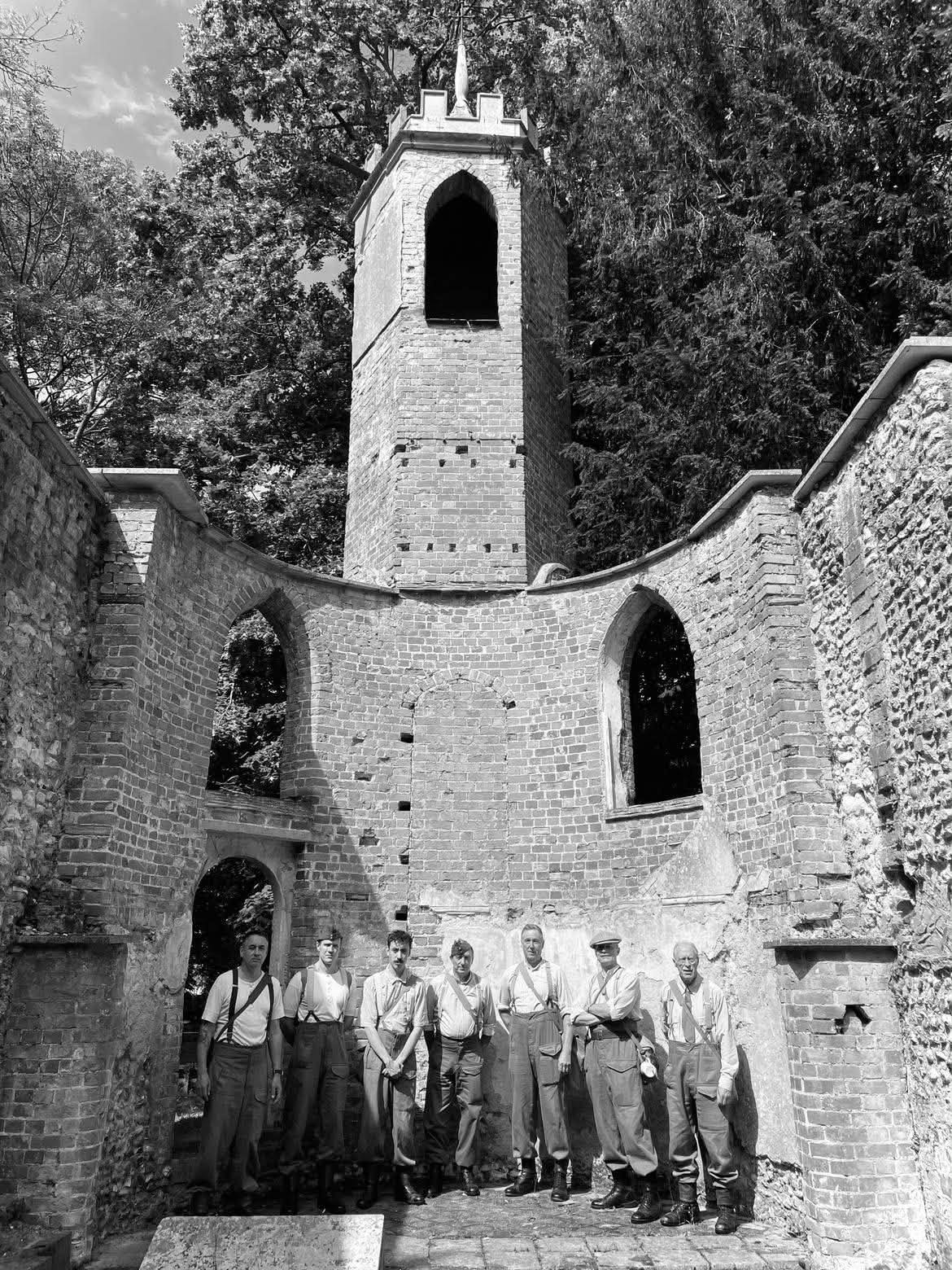
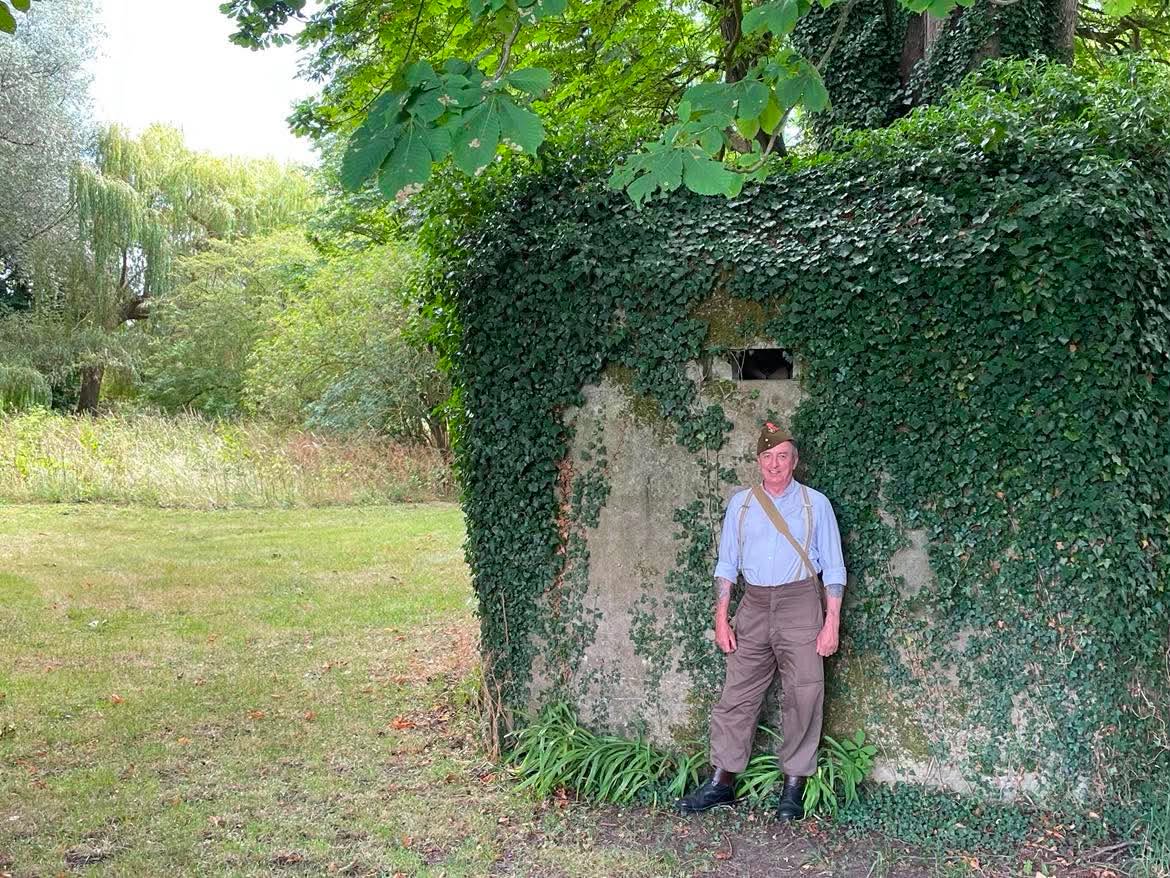
The walk is also an opportunity to explore some of the area’s wartime heritage. Near Newnham Murren we visited the local pillbox, now overgrown, closed and serving an entirely different purpose as a bat roost. We then continued to the evocative ruins of St John the Baptist Church at Mongewell, where nature is slowly reclaiming the site. Nearby stands one of the more unusual defensive structures on the Thames – a pillbox cleverly disguised as a boathouse, blending seamlessly into its riverside surroundings.

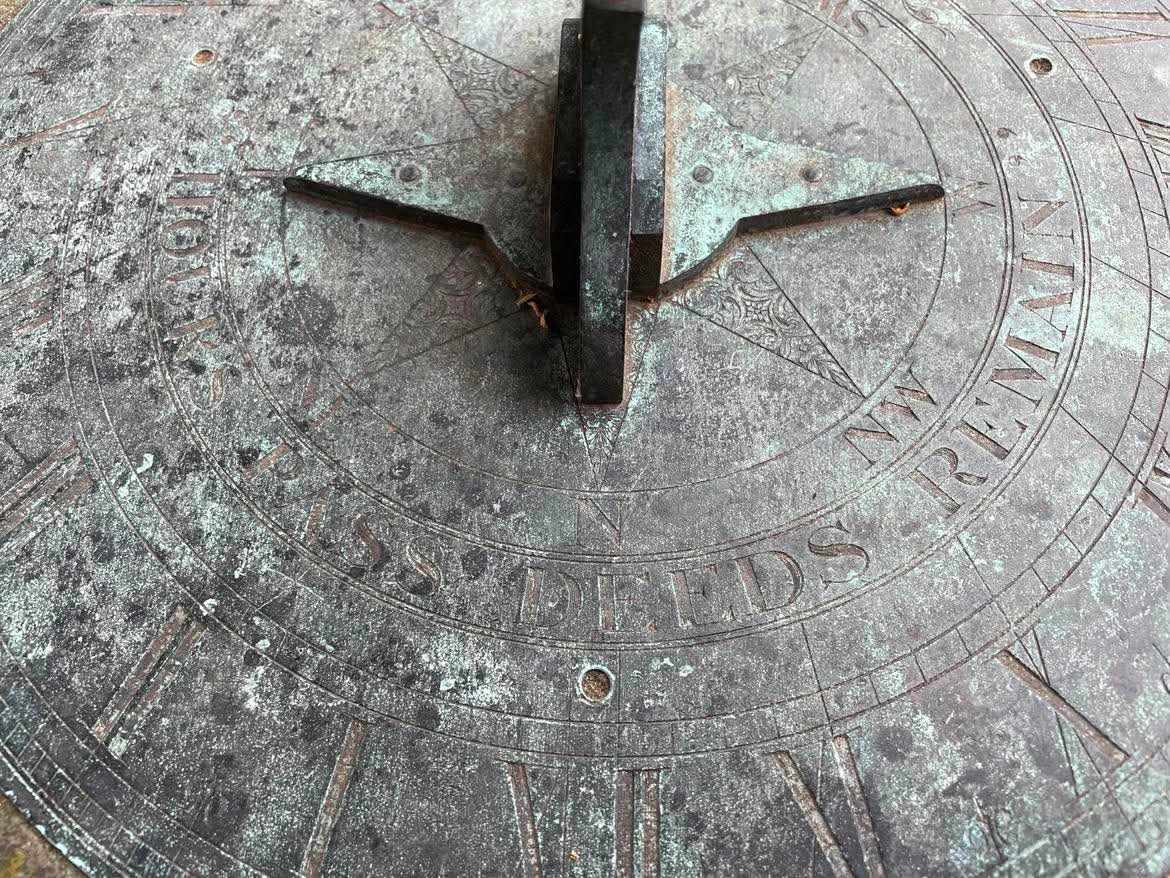
Continuing on to North Stoke, we visited the beautiful church of St Mary, noted for its remarkable medieval wall paintings. While exploring the churchyard, we also discovered an unusual sundial erected in gratitude to all the men of the village who served during the Great War – a poignant reminder that the sacrifices of war touched every community.
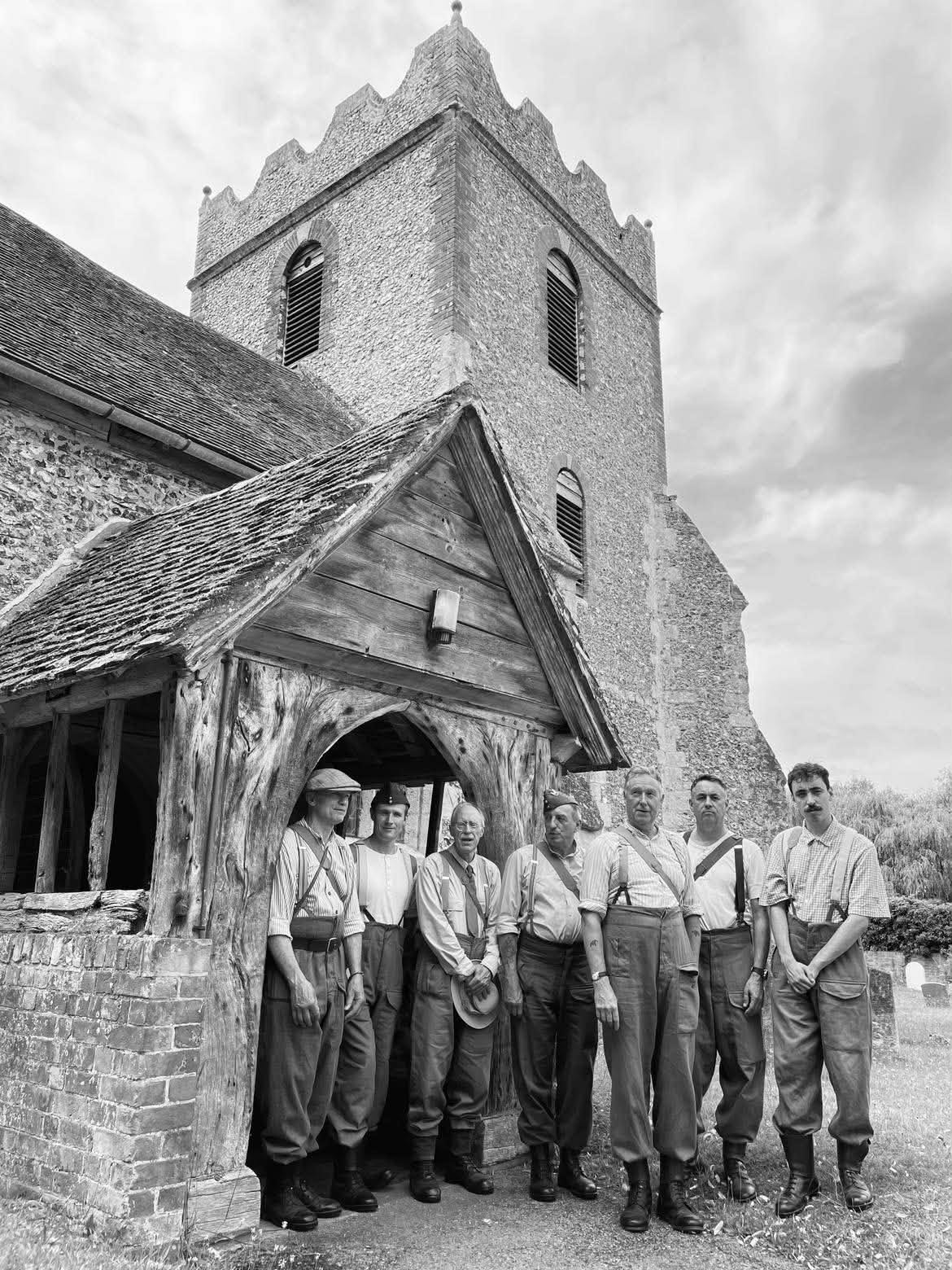
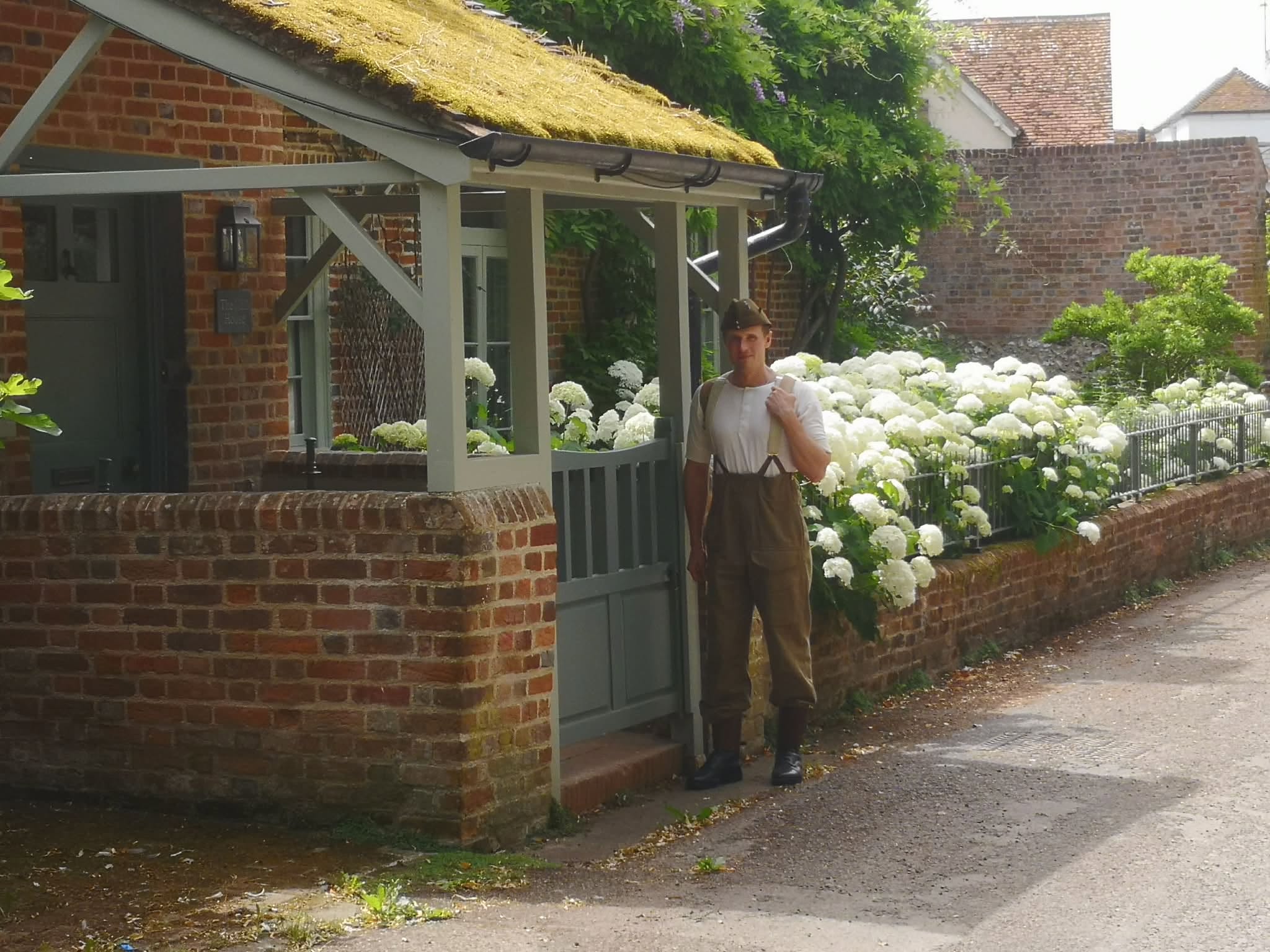
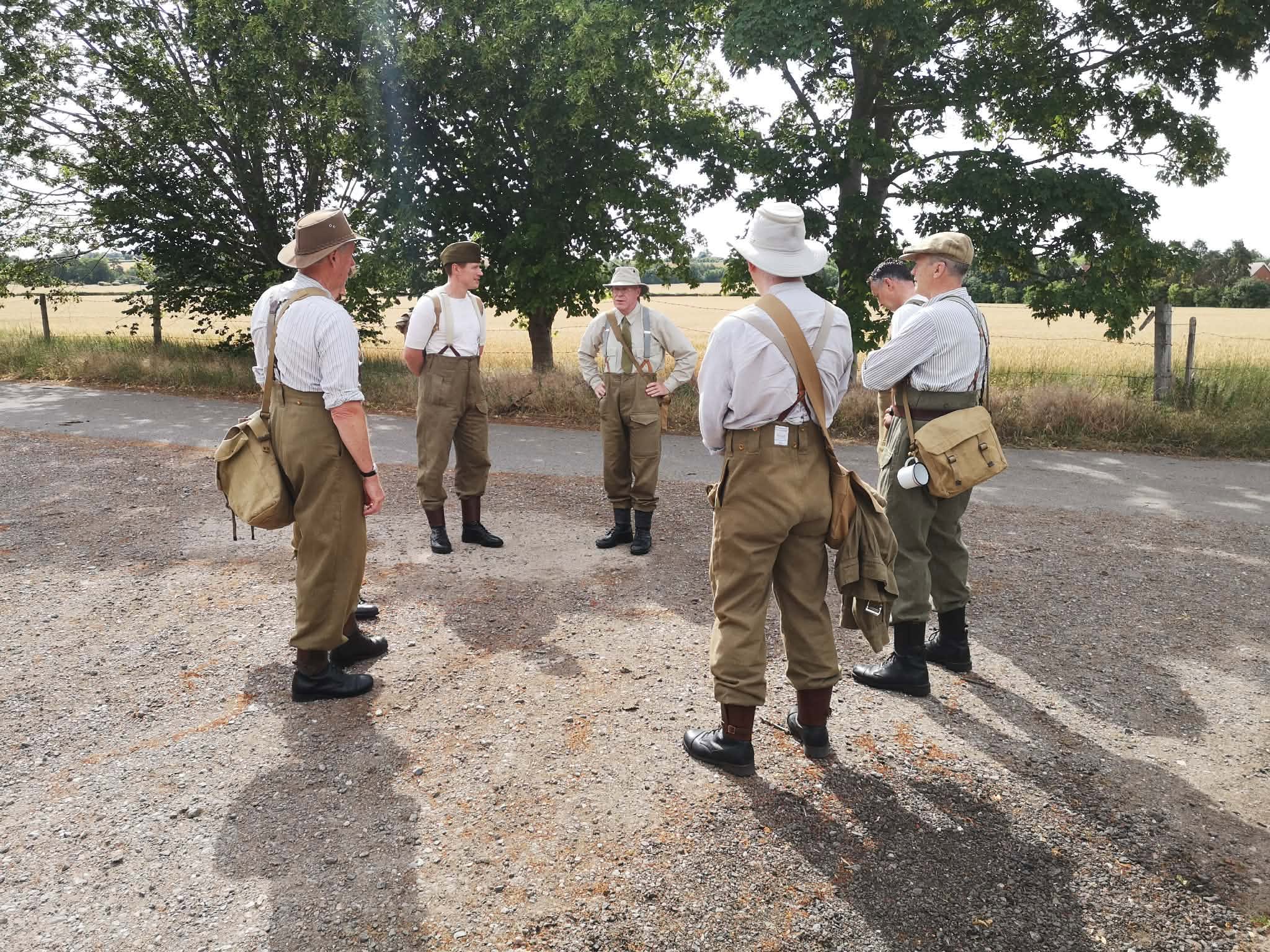
From North Stoke, our route took us past several more surviving defensive positions, including a number of pillboxes that still stand guard over the Thames Valley landscape. Eventually we reached the Moulsford Viaduct, where another pillbox overlooks the crossing and where Tom tragically lost his life in the early hours of 2nd June 1940 whilst carrying out his duties.
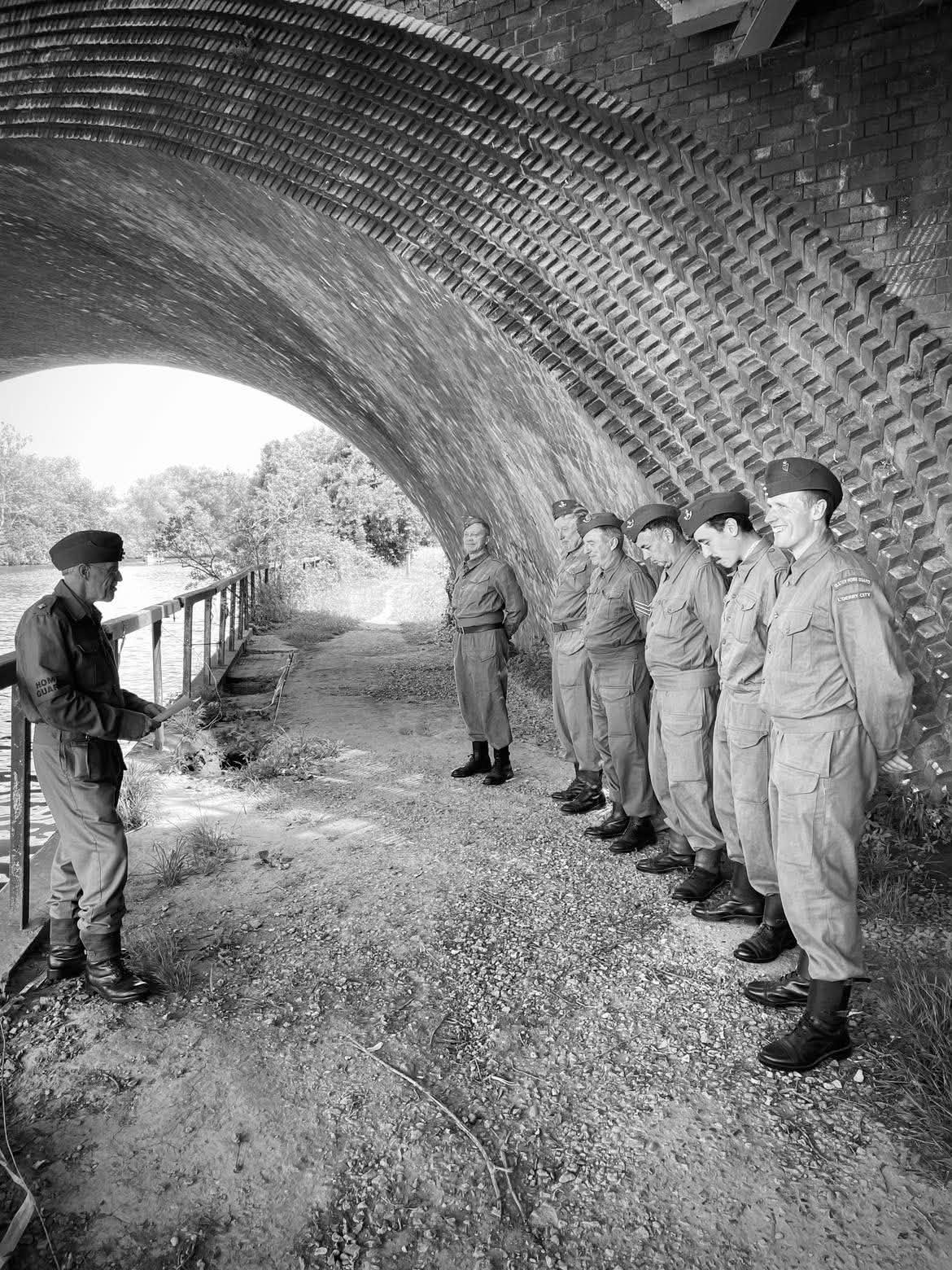
As always, we paused beneath the great brick arches of the viaduct for a period of remembrance. Standing at the very place where Tom made the ultimate sacrifice, we reflected on his service and on the dedication shown by so many ordinary men who volunteered to defend their communities during Britain’s darkest hour.
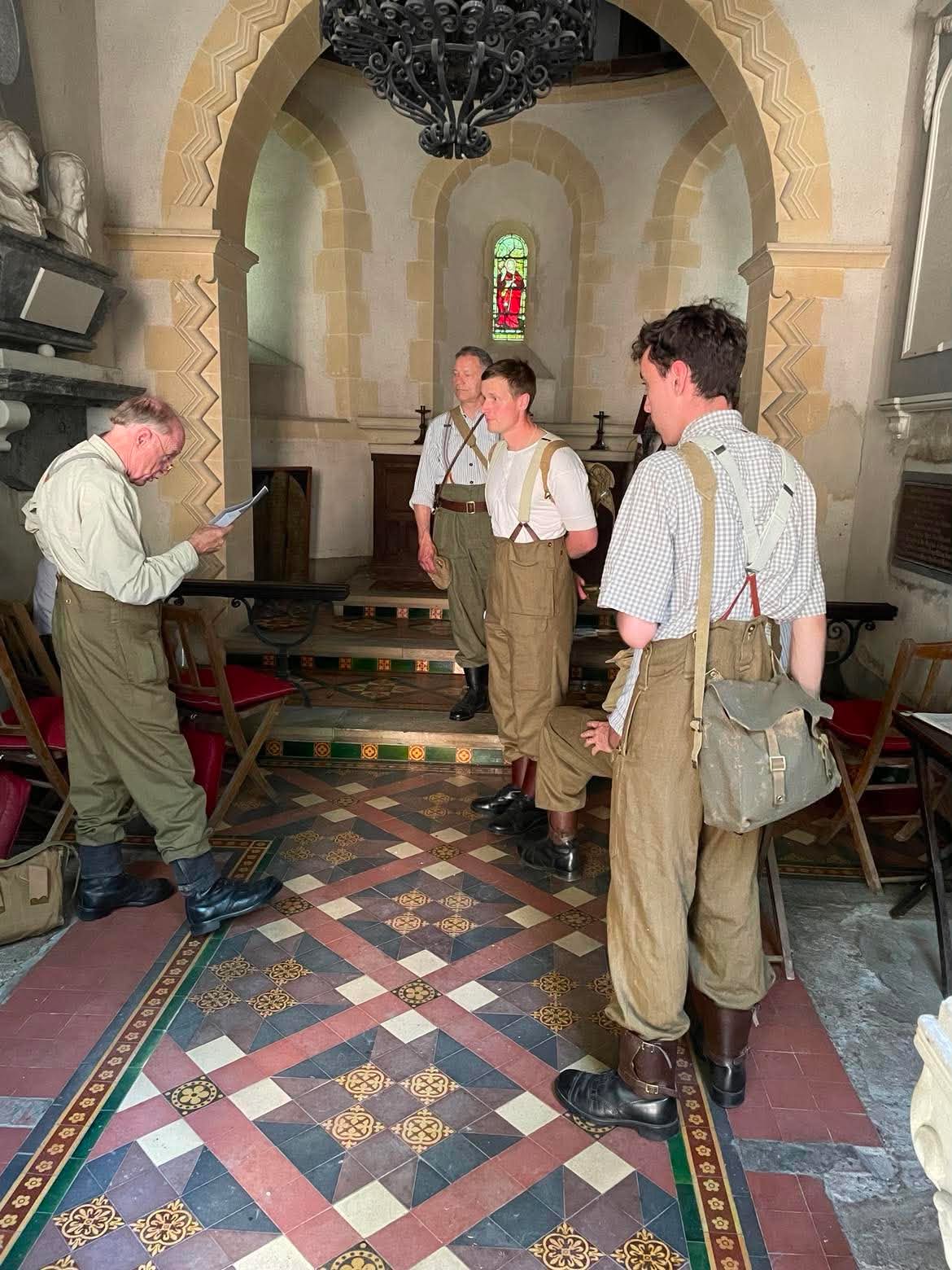
The final leg of the walk took us into South Stoke. Here we visited the parish church, where our most excellent tour guide for the day, 2/Lt Chambers, recounted the story of a Second World War member of the SAS who is commemorated within the church. Although not buried there, the memorial serves as another reminder of the remarkable stories and sacrifices connected to these quiet Oxfordshire villages.
With the formal walk complete, we returned by car to Crowmarsh and raised a glass in Tom’s memory at The Bell public house, situated just along the road from the site of Tom’s former cottage, which sadly no longer survives.
Lest We Forget
The annual memorial walk remains an important tradition within the Redline Home Guard calendar. By retracing Tom’s final journey each year, we honour not only his memory, but also ensure that his story – and the story of the Home Guard as a whole – continues to be remembered.
To read more about Tom and his story, please visit: Tom’s Story
No responses yet